Temporary Heating Solutions for a Furnace Breakdown
TL;DR:
- Temporary heating solutions provide short-term warmth during a furnace breakdown, but professional repairs remain essential for safety and reliability. Using portable electric or propane heaters, along with passive insulation methods, helps manage costs and conserve energy, especially through heat zoning. Immediate professional repair is necessary if indoor temperatures drop below 55°F or if vulnerable individuals are at risk.
Temporary heating solutions for a furnace breakdown are short-term methods that keep your home warm and safe while you wait for professional repairs. Heating accounts for about 29% of average home utility costs, so managing a breakdown efficiently matters both for comfort and your budget. The most common options include portable electric heaters, indoor-rated propane heaters, and passive heat-retention methods like Mylar emergency blankets. Each carries specific safety requirements and cost implications that every homeowner or renter should understand before using them.
What are the most effective temporary heating solutions when your furnace breaks down?
Backup heating, the industry term for short-term supplemental heat sources, covers a range of devices suited to different home sizes, budgets, and power situations. Choosing the right one depends on how long your furnace will be out, how cold it is outside, and who is in your home.
Portable electric heaters
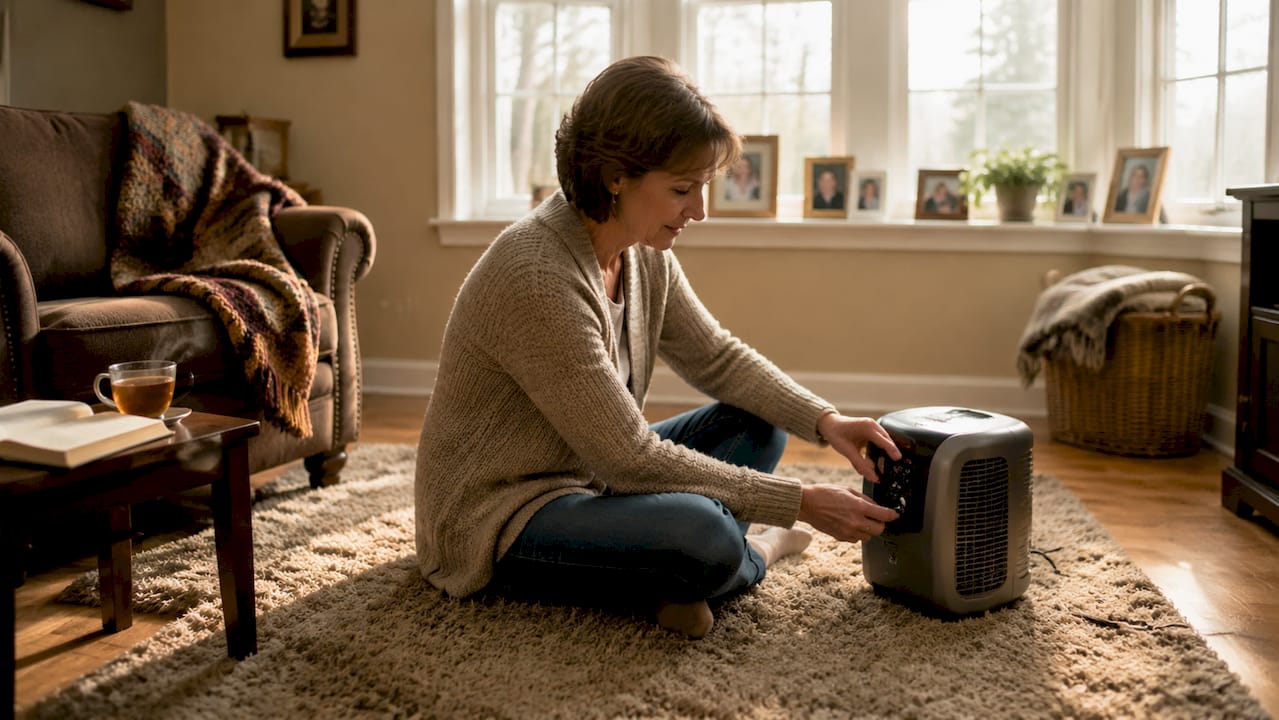
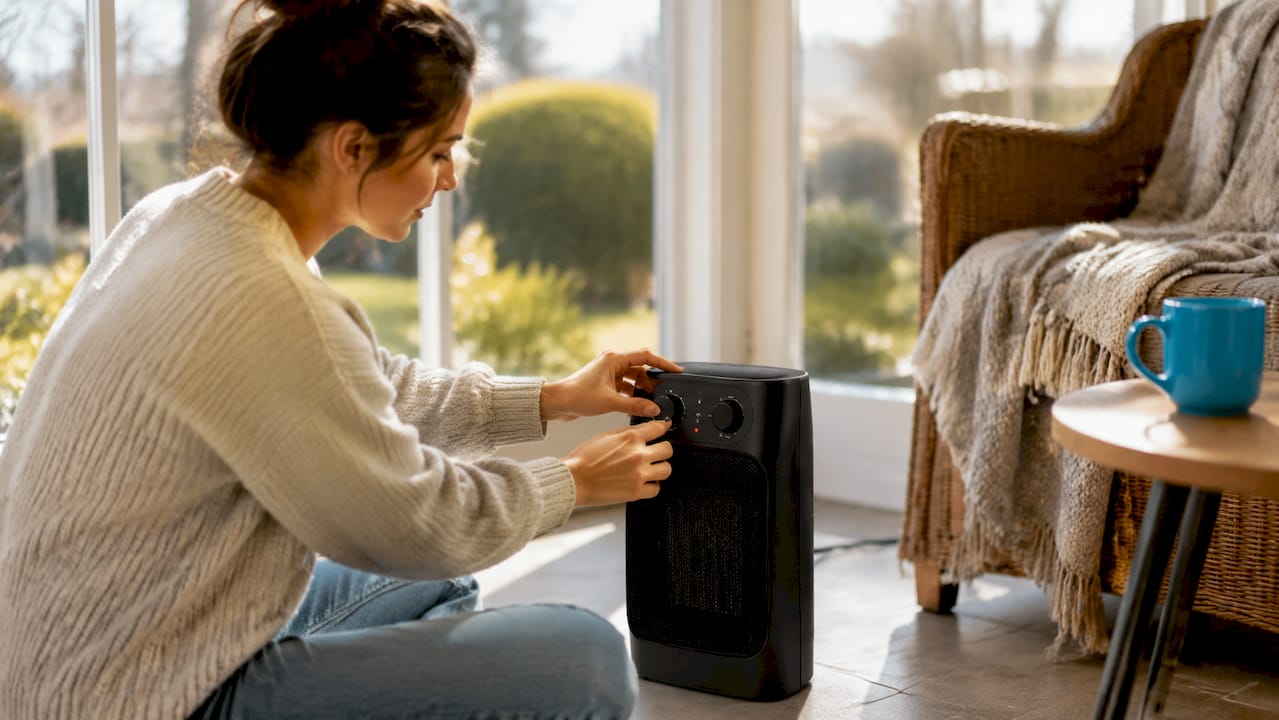
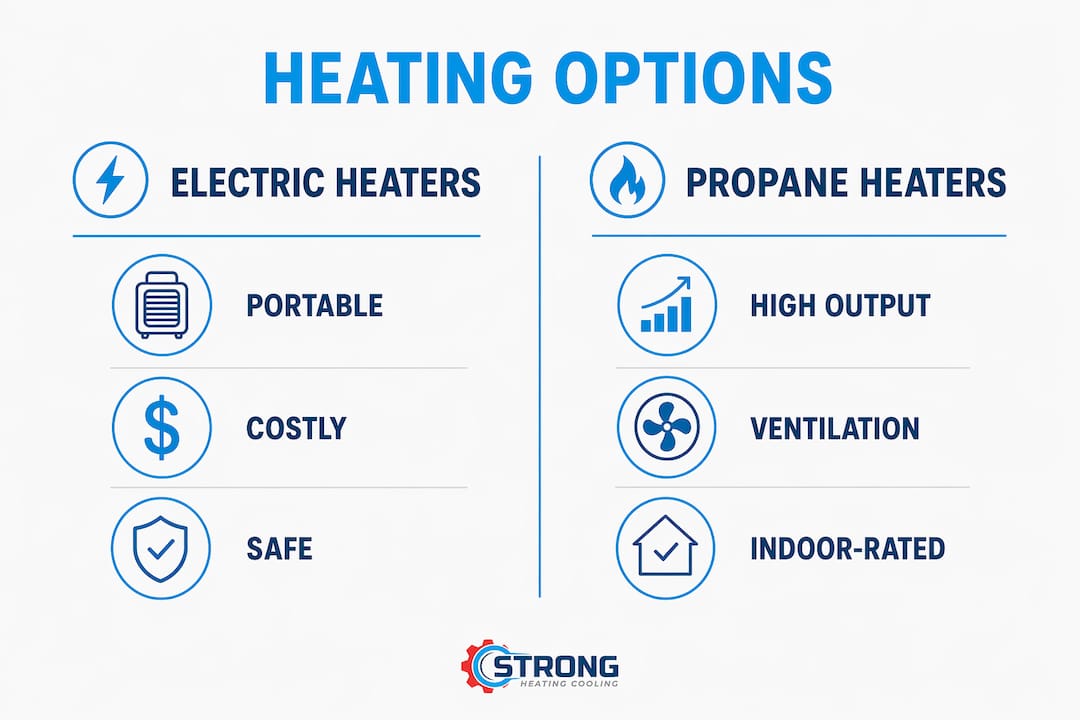
Portable electric heaters are the most accessible emergency heating option for most homeowners and renters. They plug into a standard outlet, require no fuel storage, and start producing heat within seconds. Most portable electric heaters draw 1,500 watts, which is enough to warm a small room but not an entire house. Models from brands like Vornado, Lasko, and De’Longhi are widely available at hardware stores and online retailers. They work best in rooms under 300 square feet and should never be used as a whole-home solution.
Indoor-rated propane heaters
Indoor-rated propane heaters, such as the Mr. Heater Buddy series, produce more heat output than most electric models and work during power outages. Propane heaters must carry oxygen depletion sensors and require proper ventilation to prevent carbon monoxide buildup. These units are rated for indoor use only when the manufacturer explicitly states so on the label. Cracking a window slightly while running one is a non-negotiable safety step.
Passive heat-retention methods
Passive methods do not generate heat on their own. They trap the warmth already in your home and slow its escape. Mylar emergency blankets reflect up to 90% of body heat and cost under $5 each. Hot water bottles filled with boiling water provide localized warmth and last 4–6 hours before cooling. Layering these methods with a portable heater in one room creates a noticeably warmer environment without dramatically increasing your electric bill.
Fireplace alternatives and larger-scale options
If your home has a wood-burning fireplace or a gas fireplace with a standing pilot, both can serve as reliable backup heating during a furnace outage. For homeowners without a chimney, fireplace alternatives for apartments and modern homes include electric fireplace inserts and ethanol burners rated for indoor use. For extended commercial or severe residential outages, indirect-fired heating units and temporary boilers exist, though these are primarily commercial-scale solutions that require professional setup.
| Heating method | Power source | Best for | Estimated output |
|---|---|---|---|
| Portable electric heater | Electricity | Small rooms, short outages | Up to 5,100 BTU |
| Indoor propane heater | Propane | Power outages, medium spaces | 4,000–9,000 BTU |
| Electric fireplace insert | Electricity | Living rooms, supplemental heat | Up to 5,000 BTU |
| Mylar blanket + hot water bottle | None | Personal warmth, sleeping | Passive retention only |
How to safely use temporary heating devices
Safety is the first priority when using any backup heating device. The risks are real: fire, carbon monoxide poisoning, and electrical overloads cause preventable injuries every winter.
Before you set up any temporary heater, check that working smoke alarms and carbon monoxide detectors are installed on every floor of your home. Safety experts warn against using ovens, grills, or non-indoor-rated heaters indoors because they produce CO at levels that can be lethal within minutes. A gas oven left on for warmth is one of the most common and dangerous mistakes homeowners make during a furnace outage.
For electric heaters, circuit load is a serious concern. Running multiple 1,500-watt heaters can overload household circuits, tripping breakers and creating fire hazards at the outlet. Never plug a portable heater into an extension cord. Extension cords are not rated for sustained high-current loads and can overheat inside the wall or under a rug where you cannot see the damage happening.
Pro Tip: Place your electric heater on a hard, flat surface at least three feet away from curtains, bedding, and furniture. Never leave it running while you sleep or leave the room.
For propane heaters, ventilation is not optional. Crack a window or door in the room where the heater is running, even in cold weather. The oxygen depletion sensor on indoor-rated models will shut the unit off if oxygen levels drop too low, but proper airflow prevents the situation from reaching that point.
Never use a propane heater, charcoal grill, camp stove, or generator indoors. These devices produce carbon monoxide, which is odorless and colorless. CO poisoning can occur before you notice any symptoms.
Heater placement and supervision matter as much as the device you choose. Keep heaters away from foot traffic paths where they could be knocked over. Turn them off before leaving the house or going to sleep. These steps are simple, but they are the ones most often skipped during the stress of a furnace emergency.
How to optimize temporary heating to reduce energy costs
Temporary heaters cost significantly more to run than a properly functioning furnace. Electric space heaters cost 2–3 times more per hour to run compared to efficient heating systems. That gap adds up quickly over several days, so managing your usage carefully is worth the effort.
The most effective strategy is heat zoning. Closing off unused rooms concentrates warmth in the spaces where you actually spend time and reduces the volume of air your heater has to warm. Pick one or two rooms, close the doors, and focus all your heating resources there. A 1,500-watt heater will warm a 200-square-foot bedroom much faster than it will make a dent in an open-plan living area.
Here is a practical approach to managing heat and cost during a furnace outage:
- Identify the smallest livable space in your home, ideally a bedroom or living room with good insulation.
- Close all doors to unused rooms, hallways, and garages to prevent cold air from spreading.
- Place your portable heater in that primary space and set it to the lowest comfortable temperature setting.
- Layer Mylar blankets, extra bedding, and warm clothing to reduce how hard the heater has to work.
- Use hot water bottles in beds and chairs for passive warmth that costs nothing to maintain.
- Run the heater during waking hours and rely on blankets and insulation during sleep to cut overnight electricity use.
Pro Tip: Seal gaps under doors with rolled towels or draft stoppers. Cold air infiltration is the fastest way to lose the heat your temporary heater is working to produce.
| Heating approach | Estimated hourly cost | Effective room size | Notes |
|---|---|---|---|
| 1,500W electric heater | Higher than central HVAC | Up to 300 sq ft | Avoid extension cords |
| Indoor propane heater | Moderate | Up to 450 sq ft | Requires ventilation |
| Passive methods only | Minimal | Personal space | Best combined with heater |
| Zoned electric heating | Reduced vs. whole-home | One to two rooms | Most cost-effective approach |
Timing your heater use also helps. Run it during the coldest hours, typically early morning and evening, and let passive insulation carry the load during milder parts of the day. This approach will not eliminate the cost difference between a temporary heater and your furnace, but it will keep the gap manageable.
When should you call for emergency furnace repair?
Temporary heating is a stopgap, not a solution. Furnace breakdowns that cause dangerous indoor temperature drops or affect vulnerable occupants require immediate professional repair. Knowing when to stop relying on portable heaters and call a certified technician is as important as knowing which heater to use.
Before switching to temporary heating, run through a basic furnace troubleshooting checklist to rule out simple fixes. Check the thermostat settings and battery. Verify that the power switch near the furnace is on and that the circuit breaker has not tripped. Confirm that the gas supply valve is open. Replace a dirty air filter, which can cause the furnace to shut down on a safety limit. These steps take less than ten minutes and sometimes resolve the problem without a service call.
Call a professional immediately if any of the following apply:
- Indoor temperatures are dropping below 55°F and cannot be stabilized with temporary heating.
- Infants, elderly family members, or anyone with a respiratory or cardiovascular condition is in the home.
- You smell gas near the furnace. Leave the house and call your gas utility before calling an HVAC technician.
- The furnace is making loud banging, grinding, or rattling sounds before it shut down.
- Your temporary heating devices cannot keep the primary living space above a safe temperature during extreme cold.
Temporary heating cannot replace emergency furnace service in extreme conditions. A portable heater rated for one room will not protect your pipes or maintain safe temperatures throughout a home when outdoor temperatures drop well below freezing. In Colorado Springs and surrounding communities, winter cold snaps can be severe enough that a one-day delay in professional repair creates real risk of frozen pipes and water damage on top of the heating emergency.
Certified HVAC technicians can diagnose issues with heat exchangers, inducer motors, ignitors, and control boards that no amount of troubleshooting will resolve on your own. Contacting a qualified furnace repair service promptly is the most reliable path back to safe, consistent heat.
Key Takeaways
Temporary heating solutions work best when combined with heat zoning, passive insulation, and prompt professional furnace repair rather than used as a standalone fix.
| Point | Details |
|---|---|
| Choose the right device | Portable electric heaters suit small rooms; indoor propane heaters work during power outages with proper ventilation. |
| Safety is non-negotiable | Never use ovens, grills, or outdoor heaters indoors; check CO detectors before running any fuel-based heater. |
| Zone your heat | Close off unused rooms to concentrate warmth and reduce how hard your temporary heater has to work. |
| Temporary costs add up | Electric heaters cost 2–3 times more per hour than efficient systems; limit use to essential spaces and hours. |
| Know when to call a pro | Vulnerable occupants, extreme cold, or temperatures below 55°F indoors require immediate professional furnace repair. |
What I have learned from furnace emergencies in Colorado
After more than 40 years of combined experience serving Colorado Springs homeowners, the pattern I see most often is this: people wait too long before calling for help. They set up a space heater, convince themselves the furnace will sort itself out, and then call us two days later when the house is 48°F and the pipes are at risk.
Temporary heating devices are genuinely useful tools. I am not dismissing them. A good indoor-rated propane heater or a quality electric space heater buys you time, and that time has real value. But they are not a substitute for a working furnace, especially in a Colorado winter. The moment you realize your furnace is not coming back on with a simple reset, that is the moment to call a technician, not after you have exhausted every portable heater option in the house.
The other thing I see consistently is people skipping the basics before they panic. Check your thermostat. Check your filter. Check your breaker. A clogged filter is one of the most common reasons a furnace shuts down on a safety limit, and it takes two minutes to check. Running through that residential HVAC maintenance checklist before winter hits is the single best way to avoid a furnace breakdown in the first place.
My honest advice: use temporary heating to stay safe and comfortable while you wait for a technician. Do not use it as a reason to delay the call.
— Owner
Strongheatingandcooling is ready when your furnace is not
When your furnace stops working, Strongheatingandcooling provides the fast, qualified service Colorado Springs homeowners and renters need. Our team has over 40 years of combined experience diagnosing and repairing furnaces, and we understand that a heating emergency cannot wait.
Whether you need emergency furnace repair or are considering a longer-term heating installation in Colorado Springs, Strongheatingandcooling offers honest pricing and reliable workmanship. For homeowners in the Divide area, our heating services in Divide team is available to restore your comfort quickly. Contact Strongheatingandcooling today and get your home back to a safe, warm temperature.
FAQ
What is the safest temporary heater for indoor use?
Indoor-rated propane heaters with oxygen depletion sensors, such as the Mr. Heater Buddy, and portable electric heaters from brands like Vornado or Lasko are the safest options. Always follow the manufacturer’s ventilation guidelines and keep CO detectors active.
How long can I rely on temporary heating during a furnace breakdown?
Temporary heating is a short-term measure suited for hours to a few days at most. Prolonged reliance on portable heaters during extreme cold puts vulnerable occupants at risk and cannot protect your home’s pipes from freezing.
Can I use my oven to heat my home during a furnace outage?
No. Using a gas or electric oven for home heating is a fire and carbon monoxide hazard. Safety experts and Consumer Reports explicitly warn against this practice.
How do I reduce my electric bill while using a space heater?
Zone your home by closing off unused rooms, run the heater only during the coldest hours, and supplement with passive methods like Mylar blankets and hot water bottles. This approach can meaningfully reduce the cost gap between temporary and permanent heating.
When should I call an HVAC technician instead of using temporary heat?
Call a certified technician immediately if indoor temperatures cannot be held above 55°F, if infants or elderly occupants are present, or if you smell gas near the furnace. Furnace breakdowns in extreme cold are emergencies that require professional intervention, not just temporary fixes.
Recommended
Need expert HVAC help?
Colorado Springs' trusted, veteran-owned heating & cooling team — emergency service.