HVAC Emergency Safety Steps Every Homeowner Should Know
TL;DR:
- HVAC emergency safety steps prioritize evacuating people and then shutting down the system to prevent hazards. Homeowners should detect gas leaks, carbon monoxide risks, and electrical faults early and respond immediately. Regular maintenance, detectors, and quick action help prevent severe emergencies and ensure safety.
HVAC emergency safety steps are the immediate actions homeowners must take to protect lives and property when a heating, ventilation, or air conditioning system fails or creates a hazard. These steps follow a clear priority order: get people out first, then address the system. Whether you are dealing with a gas leak, carbon monoxide risk, electrical fault, or a system that simply stopped working during a Colorado Springs cold snap, knowing what to do before help arrives makes a real difference. This guide walks you through each critical response in order of urgency, so you can act with confidence instead of panic.
1. What to do if you smell gas or suspect a natural gas leak
A natural gas leak is the most dangerous HVAC emergency you can face. Natural gas is odorized with mercaptan, a chemical that produces a distinct rotten egg smell detectable at very low concentrations. If you notice that smell, your only job is to get everyone out of the building immediately.
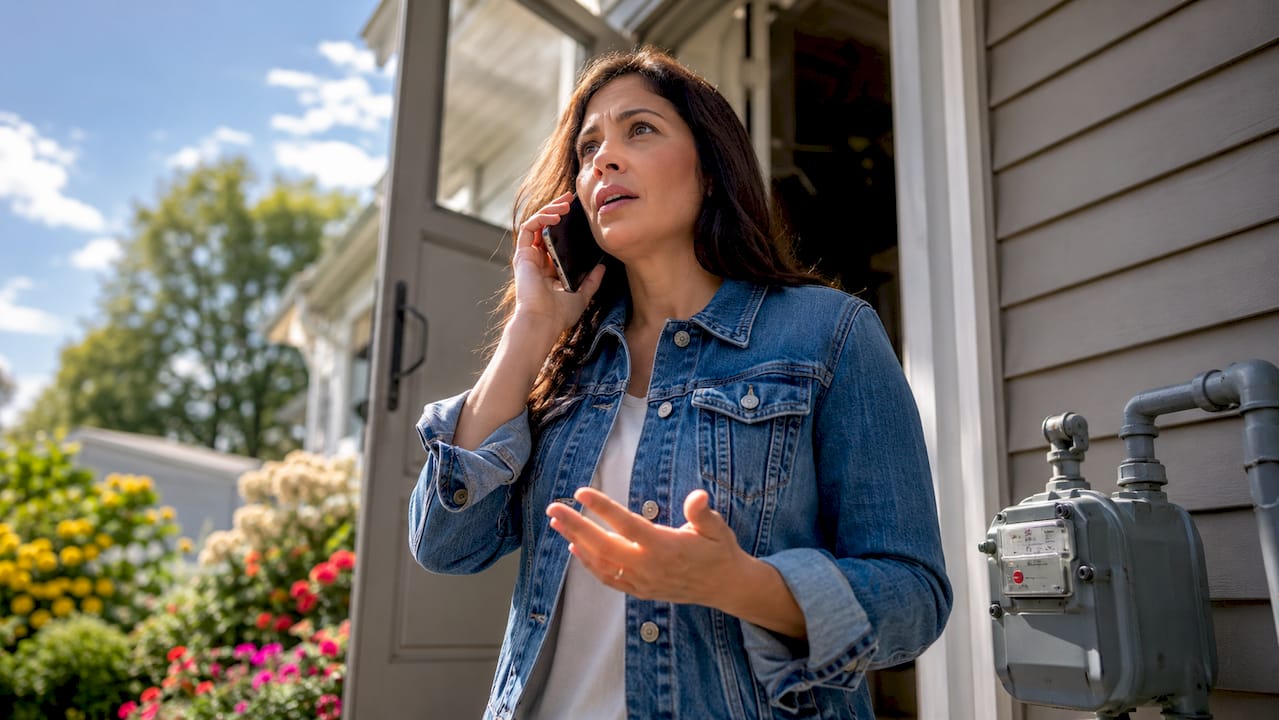
Do not stop to grab belongings. Do not flip light switches, use your phone, or touch any electrical device inside the home. Electrical sparks can ignite a gas-filled room in an instant, and even static electricity from clothing poses a real risk. Gas can also cling to your hair and clothing after you leave, so move well away from the building before using your phone.
Once you are outside and at a safe distance, call 911 or your gas utility company. Do not re-enter the home for any reason until emergency responders have cleared the building. Attempting to find or fix the leak yourself puts you and your family in serious danger.
- Exit immediately without touching switches or devices.
- Leave doors open as you go to allow gas to disperse.
- Move at least 100 feet from the building before calling 911.
- Wait for emergency responders to declare the home safe.
- Contact your gas utility to inspect and restore service.
Pro Tip: A brief gas smell during furnace ignition that clears within 30 seconds can be normal on older units. Any persistent or off-cycle gas smell is a critical emergency sign that requires immediate evacuation, no exceptions.
2. How to recognize and respond to carbon monoxide risks
Carbon monoxide, or CO, is odorless and colorless, which makes it far more difficult to detect than a gas leak. The CDC recommends CO detectors on every level of the home as the primary line of defense. Without a detector, the first warning signs are physical: headaches, dizziness, and nausea affecting multiple people in the home at the same time.
Visual clues from your HVAC system also matter. A yellow or flickering burner flame instead of a steady blue one, excess condensation on windows, and soot or black marks near the furnace are all signs that combustion is incomplete and CO may be present.
One detail that catches many homeowners off guard is how CO poisoning mimics the flu. The key difference is that CO symptoms improve away from home but return when you go back inside. Unlike the flu, CO poisoning does not cause fever or body aches. If multiple people feel better after leaving the house, treat it as a CO emergency.
Signs that demand immediate action:
- CO alarm sounding anywhere in the home
- Yellow or flickering burner flames on your furnace
- Headaches, dizziness, or nausea in multiple household members
- Symptoms that clear up outside but return indoors
- Excess condensation on interior windows near the furnace
If any of these signs appear, get everyone out of the home right away, leave doors open, and call 911 from outside. Do not re-enter until emergency services confirm it is safe.
Pro Tip: Test your CO detectors monthly and replace batteries every six months. A detector that fails silently offers no protection at all.
3. Safe HVAC checks homeowners can do before calling a professional
Not every HVAC failure is a life-safety emergency. Some problems have simple causes that you can check safely before picking up the phone. Knowing the difference saves time and money.
Start with the thermostat. Replace thermostat batteries if the screen is blank or dim, since low batteries prevent the system from receiving any signal. Also confirm the thermostat is set to the correct mode, heating or cooling, and that the temperature setting is actually calling for the system to run.
Next, check the air filter. A severely clogged filter is one of the most common causes of system failure because it blocks airflow and causes the unit to overheat or freeze up. Replacing a dirty filter takes two minutes and can restore normal operation almost immediately. Check the filter location in your system manual if you are unsure where it is.
- Check thermostat batteries and settings first.
- Inspect the air filter and replace it if it is visibly clogged.
- Look at the circuit breaker panel for any tripped breakers.
- Reset a tripped breaker once only. If it trips again, stop and call a professional.
- Clear any visible debris from outdoor unit vents and grilles.
- Confirm all supply and return vents inside the home are open and unblocked.
A breaker that trips repeatedly signals an electrical fault inside the system. Resetting it more than once risks causing a fire or permanent damage to the equipment. At that point, the right call is to contact a licensed HVAC technician. You can review a full furnace repair checklist to guide your pre-call inspection.
4. Electrical and fire-related HVAC hazards and how to respond
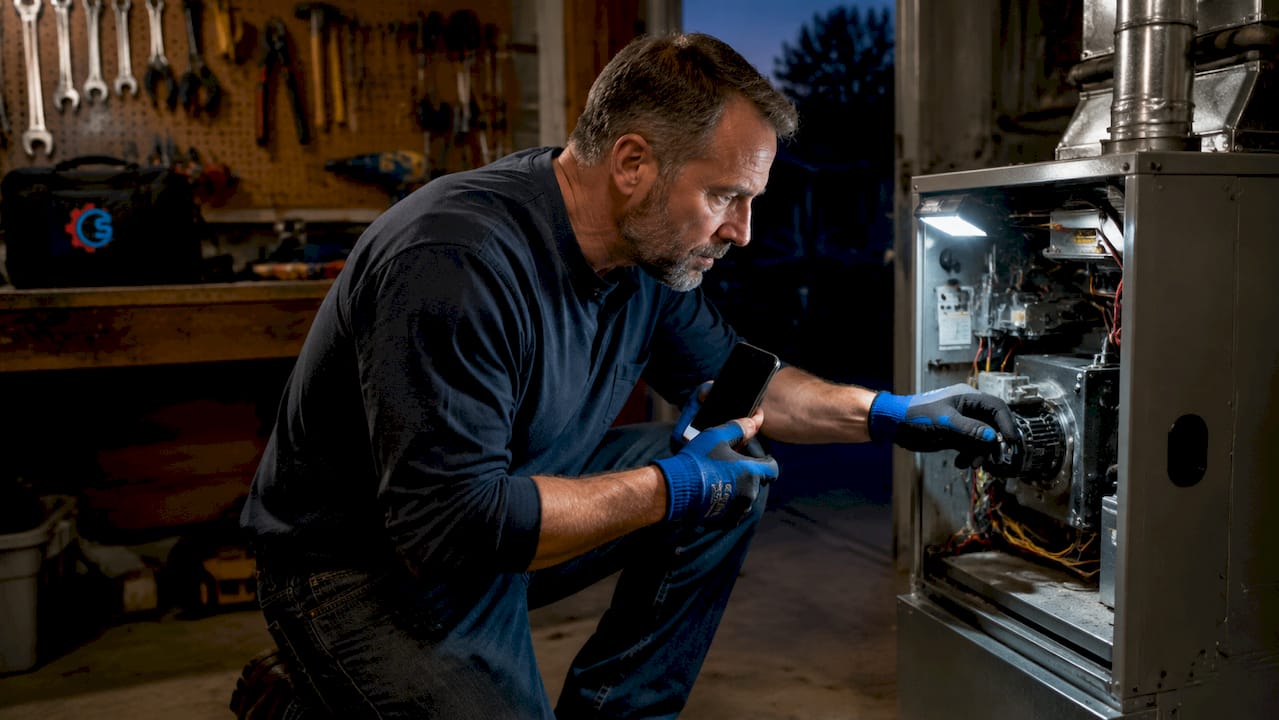
Electrical faults in HVAC systems are serious and move fast. The warning signs are usually sensory: a burning plastic smell, visible sparks near the unit, buzzing or crackling noises from the air handler or furnace, or smoke coming from vents. Any one of these signals requires you to shut the system down immediately.
Turn the HVAC system off at the thermostat first, then go to your electrical panel and switch off the breaker for the HVAC unit. If you see active flames or smoke spreading beyond the unit, do not attempt to manage it yourself. Leave the home and call 911.
Running a system that is struggling electrically causes two problems. First, it can start a fire inside the ductwork or the unit itself. Second, it can destroy the compressor, heat exchanger, or control board, turning a repairable problem into a full replacement. Shutting down early is always the right call.
Burning smells, sparks, or buzzing noises from your HVAC system are not minor inconveniences. They are warning signs of an active electrical fault that can cause a house fire if the system keeps running. Shut it down at the breaker and call for help before doing anything else.
Warning signs that require immediate system shutdown:
- Burning plastic or rubber smell from vents or the unit
- Visible sparks near the air handler, furnace, or outdoor condenser
- Buzzing, crackling, or popping sounds from the system
- Smoke coming from supply vents or the unit itself
- Breaker tripping repeatedly after reset
Pro Tip: Keep the phone number for your HVAC technician and your local emergency services saved in your phone now, before an emergency happens. Searching for help while smoke fills a room costs precious minutes.
You can also review warning signs your HVAC needs emergency repair to understand which symptoms require same-day service versus a scheduled visit.
5. Temporary measures to protect your household during extreme temperature failures
When your HVAC system fails during a heat wave or a Colorado Springs cold snap, your immediate goal shifts from fixing the system to protecting the people inside. Professional help may be hours away, and the right temporary measures keep your household safe in the meantime.
During a heating failure in cold weather:
- Move everyone into one room and close the door to concentrate body heat.
- Close curtains and blinds on exterior windows to reduce heat loss.
- Use a portable space heater in the occupied room, keeping it away from furniture and never leaving it unattended.
- Layer clothing and use blankets to reduce the demand on any supplemental heat source.
- Check on elderly family members or young children frequently, as they lose body heat faster.
During a cooling failure in hot weather:
- Close curtains and blinds on sun-facing windows to block radiant heat.
- Use portable fans to create airflow, placing one facing outward in a window to push hot air out.
- Move to the lowest level of the home, where temperatures are naturally cooler.
- Stay hydrated and avoid heat-generating appliances like ovens and dryers.
- Monitor vulnerable household members closely, including elderly adults, infants, and anyone with a medical condition.
Avoid using gas stoves or ovens for heat during a heating failure. They produce carbon monoxide and create a fire risk. If temperatures inside the home drop to unsafe levels, relocate to a warming center, hotel, or a neighbor’s home until repairs are complete.
6. How to prevent HVAC emergencies before they happen
Most catastrophic HVAC failures do not happen without warning. Annual maintenance detects worn parts like frayed wires, cracked heat exchangers, and failing capacitors before they cause a midnight breakdown. A technician who inspects your system every year catches the small problems that become expensive emergencies if left alone.
Beyond annual service, a few consistent habits reduce your risk significantly. Change your air filter every one to three months depending on your household. Keep the area around your outdoor unit clear of debris, especially after storms. Know where your main electrical panel is and which breaker controls your HVAC system. These are not complicated tasks, but they matter when something goes wrong.
Understanding what counts as an HVAC emergency also helps you respond appropriately. Not every failure requires a panicked call at 2:00 AM, but gas leaks, CO alarms, electrical faults, and extreme temperature risks always do. Having that clarity ahead of time keeps you calm when it counts.
Key Takeaways
The most effective HVAC emergency safety steps prioritize human safety first, system shutdown second, and professional repair third, in that order, every time.
| Point | Details |
|---|---|
| Gas leaks require immediate evacuation | Leave without touching switches or phones, then call 911 from outside. |
| CO detectors are non-negotiable | Install one on every level per CDC guidance and test them monthly. |
| Basic troubleshooting has clear limits | Check filters, batteries, and breakers once, then call a professional. |
| Electrical faults demand system shutdown | Turn off the HVAC at the breaker immediately if you smell burning or see sparks. |
| Annual maintenance prevents most emergencies | Yearly professional service catches worn parts before they cause failures. |
What I have learned after years of HVAC emergencies
After more than 40 years of combined experience in heating and cooling, the pattern I see most often is not a mechanical failure. It is a homeowner who ignored a warning sign for weeks because they hoped it would go away. A furnace that started making a new noise in october. A breaker that tripped once and then seemed fine. A faint smell near the unit that came and went. These are the calls that turn into the most serious situations.
Panic-driven decisions are the most common mistake I see during actual emergencies. Someone smells gas and starts opening windows and checking connections instead of just leaving. Someone hears a buzzing noise and keeps resetting the breaker hoping it will hold. The instinct to fix the problem yourself is understandable, but it is the wrong instinct when safety is at stake.
What actually works is preparation. Homeowners who know where their breaker panel is, who have CO detectors on every floor, and who schedule annual maintenance are the ones who call us with manageable problems instead of catastrophic ones. The mindset shift is simple: treat your HVAC system like a car. You would not skip oil changes and then wonder why the engine seized.
My honest advice is this. Keep a short list of emergency contacts near your thermostat: your HVAC company, your gas utility, and 911. Know the difference between a situation that requires evacuation and one that requires a phone call. And do not wait for a breakdown to think about maintenance. A yearly service visit is the least expensive insurance you can buy for your home’s comfort and safety.
— Owner
Strongheatingandcooling is here when you need us most
When your heating or cooling system fails and you need help fast, Strongheatingandcooling provides emergency HVAC repair across Colorado Springs and surrounding communities. Our team responds quickly, diagnoses accurately, and repairs safely, so your family is not left waiting in the cold or the heat.

Beyond emergency calls, our residential maintenance plans are designed to catch problems before they become crises. With over 40 years of combined experience, we know what warning signs look like and how to address them before they cost you more. Call Strongheatingandcooling today to schedule a maintenance visit or get same-day emergency support. Honest pricing, reliable service, and a team that treats you like family.
FAQ
What is the first step in any HVAC emergency?
The first step is always to protect people, not equipment. If you detect gas, smoke, or CO, evacuate the home immediately and call 911 from outside.
How do I know if my HVAC smell is a gas leak or something else?
A rotten egg odor is the clearest sign of a natural gas leak due to the mercaptan added to gas. A burning plastic smell points to an electrical fault, which also requires immediate system shutdown.
Can I reset my circuit breaker if my HVAC trips it?
Reset a tripped breaker one time only. If it trips again, stop and call a licensed HVAC technician, since repeated tripping signals an active electrical fault inside the system.
How is CO poisoning different from the flu?
CO poisoning does not cause fever or body aches, and symptoms improve when away from home but return when you go back inside. The flu does not follow that pattern.
How often should I schedule HVAC maintenance to avoid emergencies?
Annual professional maintenance is the industry standard for preventing emergency failures. A yearly inspection catches worn parts, frayed wiring, and cracked heat exchangers before they cause a breakdown.
Recommended
Need expert HVAC help?
Colorado Springs' trusted, veteran-owned heating & cooling team — same-day service.