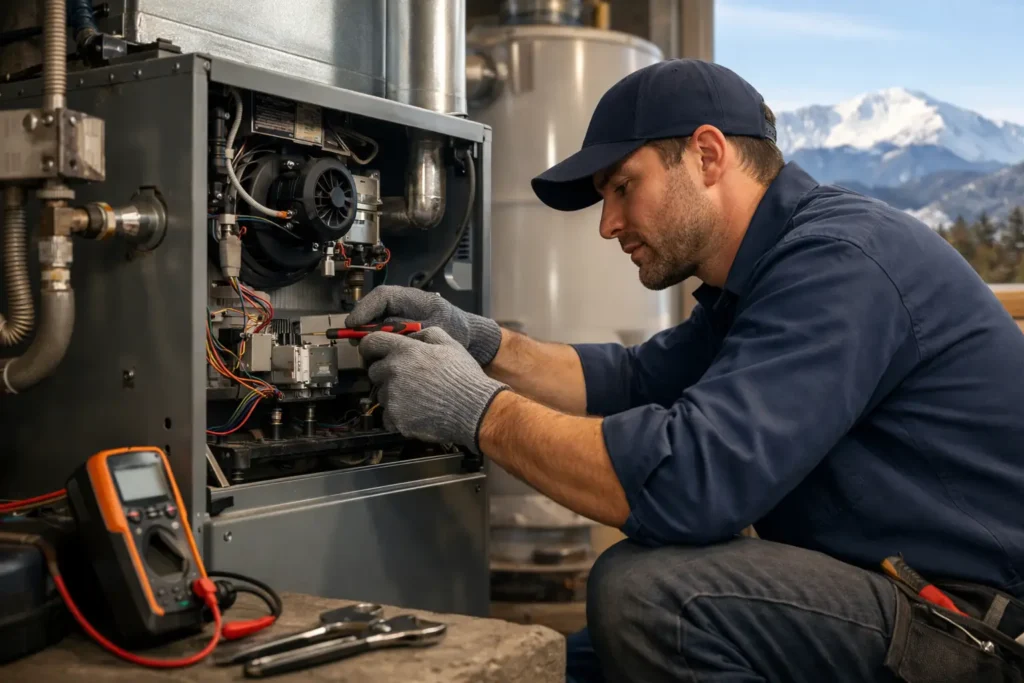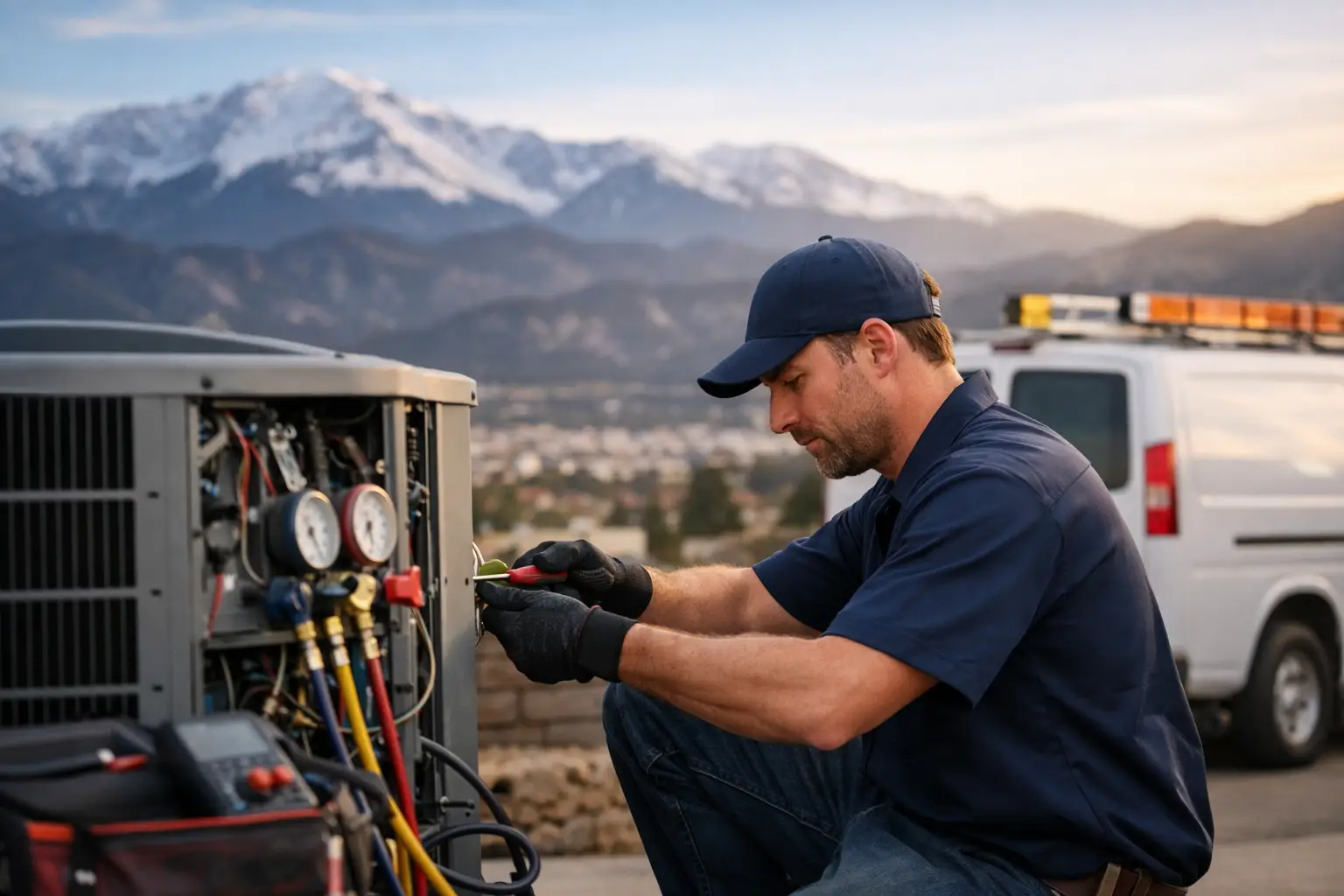
When your furnace quits during a freezing Colorado night or your AC fails in the middle of a hot afternoon, waiting until “normal business hours” is not a real option. In Colorado Springs, HVAC problems can turn urgent fast. A cold house puts families at risk, a hot building can disrupt business, and a failed boiler or rooftop unit can create bigger property issues if it is left alone.
Emergency service matters because HVAC systems do not fail on a convenient schedule. They break down during storms, on weekends, and right before guests arrive or tenants call. In those moments, people want the same thing – a qualified technician who answers, shows up, explains the problem clearly, and gets the system running again without games on pricing.
What counts as emergency HVAC repair in Colorado Springs?
Not every HVAC issue is an after-hours emergency, but some problems should move to the top of the list right away. If your furnace will not turn on during freezing weather, your air conditioner stops cooling during extreme heat, or your commercial rooftop unit shuts down and affects operations, that is more than an inconvenience. It is a comfort, safety, and property concern.
Emergency HVAC repair in Colorado Springs often includes complete no-heat calls, no-cooling failures, strange burning smells, electrical issues, frozen coils, boiler breakdowns, water heater failures tied to system performance, and major airflow loss. Commercial calls can be even more time-sensitive because one failed component can affect customers, staff, inventory, or tenant comfort.
There is also a difference between a system that is struggling and one that is unsafe. Short cycling, weak airflow, or a unit that is making unusual noise may still allow for a scheduled repair if conditions are manageable. But if you smell gas, see smoke, hear loud electrical buzzing, or suspect a carbon monoxide issue, shut the system down and call for immediate professional help.
Why fast HVAC service matters in this area
Colorado Springs weather does not give much room for delay. Winter cold can make indoor temperatures drop quickly, especially in older homes, larger commercial spaces, and buildings with insulation issues. Summer heat may not match the most extreme parts of the country, but a house or business can still become uncomfortable fast when the cooling system fails.
Altitude, dry air, and seasonal swings also put stress on HVAC equipment. Furnaces run hard in winter. Air conditioners, heat pumps, and mini splits shift workloads as temperatures climb. Swamp coolers have their own maintenance and performance demands. Boilers and water heaters add another layer, particularly in older properties or mixed-use buildings.
That is why emergency response should be about more than speed alone. A fast visit helps, but the real value is accurate diagnosis, dependable workmanship, and a repair strategy that makes sense for the system and the budget. Sometimes the right answer is a same-day repair. Sometimes it is a temporary solution to restore heat or cooling while replacement parts are ordered. And sometimes the most honest recommendation is replacement when the unit is no longer worth repeated emergency calls.
What to expect during an emergency HVAC call
A good emergency service visit should feel organized, not chaotic. The first step is usually a few clear questions about the issue, the equipment type, the age of the system, and what symptoms you have noticed. That helps the technician arrive better prepared, especially if the problem involves a boiler, a commercial rooftop unit, or specialty equipment.
Once on site, the technician should inspect the system, identify the cause of failure, and explain what is happening in plain language. Homeowners and property managers should not have to guess whether the issue is minor, temporary, or severe. Clear communication matters just as much as technical skill during an emergency.
Transparent pricing matters too. Emergency situations already come with stress. The last thing customers need is vague numbers, pressure tactics, or surprise charges after the work is done. Reliable HVAC contractors explain the repair, outline the cost, and help customers weigh the short-term and long-term options.
Common emergency HVAC problems for homes and businesses
In residential properties, emergency calls often start with a furnace that will not ignite, an AC unit that is blowing warm air, a heat pump stuck in the wrong mode, or a boiler that has stopped circulating heat. Water around the unit, tripped breakers, frozen coils, and thermostat communication issues are also common.
Commercial calls tend to be more complex because the equipment is larger and the stakes are higher. A failed rooftop unit can affect multiple zones. Commercial boilers and water heaters can interrupt daily operations. Restaurants, offices, retail spaces, and multi-tenant properties need quick answers because comfort complaints can turn into lost business and operational headaches.
The trade-off is that not every emergency can be fully completed in one visit. If a specialized component is unavailable after hours, the immediate goal may be to restore partial operation, stabilize the system, or keep the building safe until the final repair can be finished. Honest contractors say that upfront.
How to choose the right emergency HVAC company
In an urgent situation, people often call the first name they find. That is understandable, but a few things still matter. Local experience is a big one. Colorado Springs homes and commercial buildings have a mix of newer high-efficiency equipment and older systems that require broad technical knowledge. A company serving the area regularly is more likely to understand those conditions and respond effectively.
Licensing, technician training, and service range matter too. If a contractor only handles basic residential AC work, they may not be the best fit for a boiler failure or a commercial rooftop issue. It helps to work with a team that covers heating, cooling, boilers, water heaters, ductless systems, and commercial HVAC so the diagnosis is not limited by narrow experience.
Customer service is another part of repair quality. Fast response is important, but so is showing up prepared, treating the property respectfully, and giving clear next steps. Strong Heating and Cooling serves Colorado Springs and El Paso County with that practical, customer-first approach – prompt service, trained technicians, and straightforward recommendations built around comfort and reliability.
What you can do before the technician arrives
A few simple checks may help, but this is not the time for risky DIY repairs. Verify the thermostat settings, check whether the breaker has tripped, and make sure the air filter is not completely clogged. If the system has a visible emergency shutoff, confirm it has not been turned off by mistake.
Beyond that, avoid opening panels or attempting electrical or gas-related fixes yourself. Emergency HVAC issues can involve live power, combustion components, refrigerant, and pressure systems. Trying to force a restart can make the damage worse or create a safety hazard.
If the problem includes gas odor, sparks, smoke, or signs of carbon monoxide, turn the system off if it is safe to do so and leave the area if needed. Then call for professional help immediately.
Repair or replace? It depends on the system
Emergency repairs sometimes reveal a larger problem. If the system is relatively new and the failure is isolated, repair is usually the sensible choice. But if the unit is older, inefficient, or breaking down repeatedly, replacement may save money and frustration over time.
That decision depends on age, repair cost, energy performance, and how critical the equipment is to the property. For a homeowner, replacing an aging furnace before another winter breakdown may be the smarter move. For a business, installing a more reliable rooftop unit or commercial boiler can reduce downtime and protect operations.
The best contractors do not force one answer. They explain the condition of the equipment, lay out the options, and let the customer make an informed decision.
When emergency service is the right call
If your building has no heat, no cooling during extreme conditions, alarming odors, electrical warning signs, or a system failure that affects safety or business continuity, do not wait and hope it corrects itself. Quick action can prevent bigger repairs, reduce discomfort, and protect the people inside the property.
Colorado Springs property owners need HVAC support that is responsive, skilled, and honest when the pressure is on. The right emergency service is not just about getting a unit back on. It is about restoring confidence that your home or business will stay comfortable when you need it most.
If your system fails at the worst possible time, the next step should feel simple: call a local team that knows the area, explains the problem clearly, and treats your comfort like it matters.