

HVAC Preventive Maintenance Contract Explained for Homeowners
TL;DR:
- An HVAC preventive maintenance contract schedules regular inspections and tune-ups to prevent system failures. It typically includes two seasonal visits for cleaning, safety checks, and calibration to extend system life and improve efficiency. Starting early ensures warranty compliance and reduces emergency repair costs over the equipment’s lifespan.
An HVAC preventive maintenance contract is a service agreement that schedules regular inspections, cleaning, and tune-ups for your heating and cooling system before problems develop. Unlike a repair call you make when something breaks, this agreement keeps your system running at its best year-round. Most contracts cover two visits per year, one before the cooling season and one before heating season. For homeowners and property managers in Colorado Springs, where temperatures swing hard in both directions, that kind of scheduled care is not optional. It is the difference between a system that lasts and one that fails at the worst possible time.
What does a typical HVAC preventive maintenance contract cover?
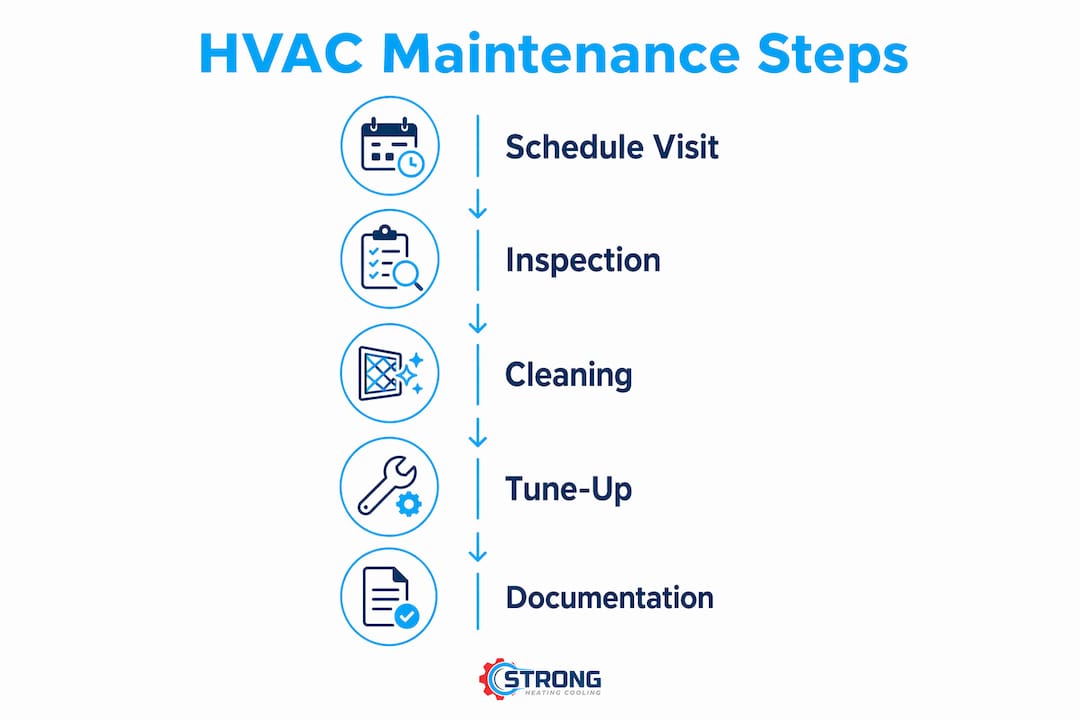
A standard preventive maintenance visit covers far more than a quick filter swap. According to industry standards, a thorough maintenance visit includes cleaning condenser coils and drain lines, inspecting heat exchangers and burners, lubricating moving parts, tightening electrical connections, calibrating the thermostat, and checking refrigerant levels. These tasks happen twice a year, timed to prepare your system for the season ahead. Each one addresses a specific failure point before it becomes a repair bill.
Here is what a well-written HVAC maintenance agreement typically includes in each scheduled visit:
- Cleaning condenser coils to maintain heat transfer efficiency
- Flushing and inspecting condensate drain lines to prevent water damage
- Inspecting the heat exchanger for cracks that could cause carbon monoxide leaks
- Checking burners for proper ignition and combustion
- Lubricating motors, fans, and other moving components to reduce friction wear
- Tightening electrical connections and testing voltage and amperage draws
- Calibrating the thermostat to confirm accurate temperature control
- Checking refrigerant levels and inspecting for leaks
The spring visit focuses on the air conditioning side. The technician cleans the outdoor unit, checks refrigerant charge, and confirms the system can handle summer demand. The fall visit shifts to the furnace or heat pump, inspecting the heat exchanger, testing ignition, and verifying safe combustion. Together, these two visits cover the full system across both seasons.
Pro Tip: Ask your technician for a written checklist after every visit. A documented service record is required by most manufacturers to honor warranty claims on major components.
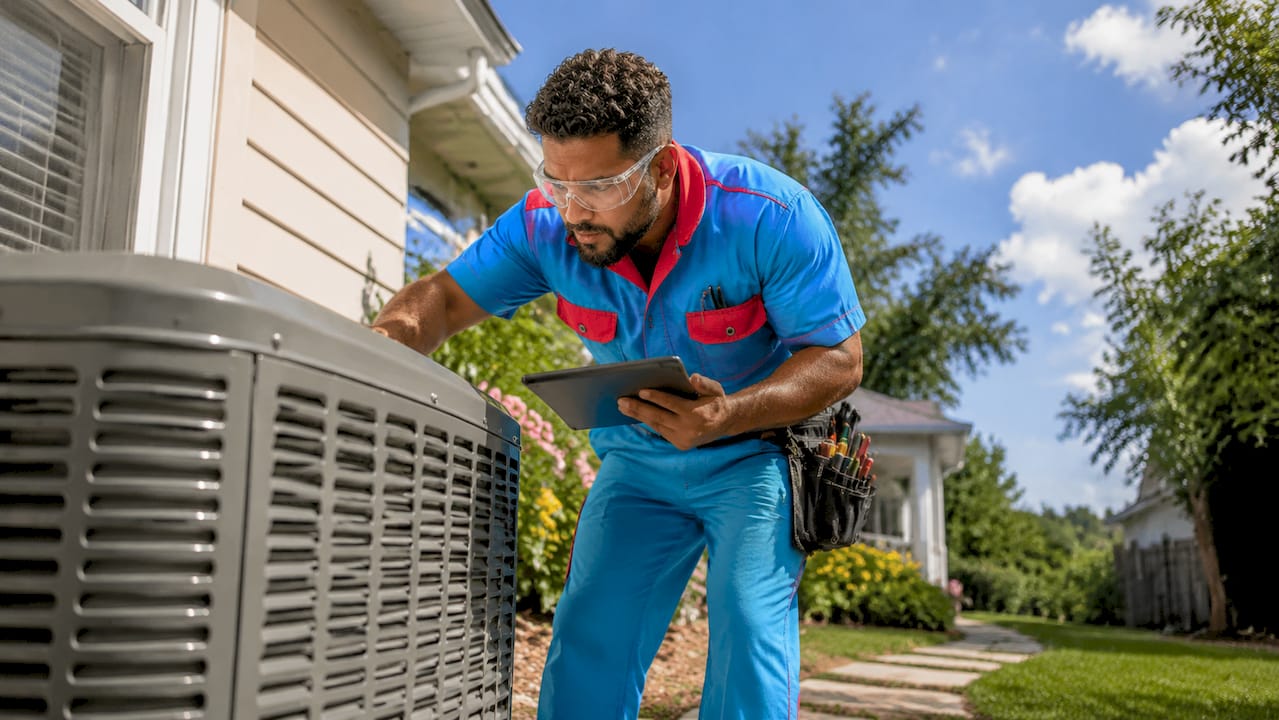
Property managers overseeing multiple units benefit especially from this structure. Scheduling both visits in advance removes the guesswork and prevents the scramble that happens when a system fails during a heat wave or cold snap.
What are the main benefits of HVAC maintenance contracts for homeowners?
The financial case for a maintenance agreement is straightforward. Routine maintenance extends HVAC system lifespan from roughly 10–12 years to 18–20 years and reduces energy consumption by 10% to 25%. That lifespan extension alone defers a replacement cost that typically runs several thousand dollars. The energy savings show up on every monthly utility bill.
The benefits go beyond cost reduction. Here is what homeowners consistently gain from a well-structured HVAC service contract:
- Extended system life by 6–8 years, effectively delaying a major capital expense
- Reduced energy bills through a system operating at peak efficiency
- Priority scheduling during peak demand periods, often including same-day service
- Discounts on repair parts and labor when something does need fixing
- Waived diagnostic fees on service calls
- Documented maintenance history that satisfies manufacturer warranty requirements
Priority scheduling is often the most valued benefit among contract holders. When temperatures hit extremes in july or january, HVAC companies fill their schedules fast. Contract members move to the front of the line. That advantage is worth real money when your family is sitting in a house that is 90 degrees or 40 degrees.
Warranty compliance is another benefit that homeowners frequently overlook until it is too late. Manufacturer warranties on major components like compressors and heat exchangers often require proof of annual professional maintenance. Without that documentation, a warranty claim on a $1,500 compressor can be denied. A maintenance contract creates that paper trail automatically.
The benefits of planned maintenance also include a measurable drop in emergency repair frequency. Systems that receive regular attention develop fewer surprise failures because technicians catch worn parts, dirty coils, and low refrigerant before they cascade into larger problems.
How much do HVAC maintenance contracts typically cost?
Most homeowners pay between $150 and $500 per year for an HVAC service contract, with pricing driven by the level of coverage selected. That range reflects a meaningful difference in what you actually receive.
| Plan level | Typical annual cost | What it includes |
|---|---|---|
| Basic | $150–$200 | Two tune-up visits, cleaning, and inspection |
| Mid-tier | $250–$350 | Tune-ups plus repair discounts and priority scheduling |
| Premium | $400–$500+ | Full coverage with parts, waived fees, and emergency service |
Basic plans cover the two seasonal visits and the standard checklist tasks. They are a solid starting point for newer systems in good condition. Mid-tier plans add repair discounts and priority scheduling, which makes them the most practical choice for most homeowners. Premium plans layer in parts coverage and waived emergency fees, which suits older systems or property managers who need predictable maintenance costs across multiple units.
The number of systems in a home also affects price. A house with both a furnace and a central air conditioner may cost more to cover than a home with a single heat pump. Homes with zoned systems or multiple air handlers add another variable.
Pro Tip: Calculate your break-even point before signing. If a mid-tier plan costs $300 per year and a single diagnostic visit runs $100, you only need one repair discount or one priority call to recover the difference.
The cost-benefit analysis tips clearly in favor of contracts when you factor in the energy savings from maintenance. A system running 15% more efficiently than a neglected one pays back a portion of the contract cost through lower utility bills every month.
What types of HVAC maintenance contracts exist?
Not all HVAC contract types are built the same way, and the differences matter when you are comparing options. Understanding the categories helps you avoid paying for coverage you do not need or missing coverage you do.
The most common contract structures include:
- Single-visit agreements: One tune-up per year, typically before the heating season. These are the lowest-cost option but leave the cooling system without a dedicated inspection.
- Biannual tune-up contracts: Two visits per year covering both the heating and cooling sides. This is the industry standard and the format most technicians recommend.
- Comprehensive service plans: Two visits plus parts coverage, labor discounts, and emergency service priority. These plans function more like insurance and suit older equipment or high-use properties.
- Warranty compliance contracts: Structured specifically to meet manufacturer documentation requirements. These plans emphasize written records and certified technician visits over repair discounts.
Technician certification matters more than most homeowners realize. NATE certification, which stands for North American Technician Excellence, is the recognized industry credential for HVAC professionals. A well-constructed contract includes certified technician visits with comprehensive checklists and clear repair discount terms. If a plan does not specify technician qualifications, that is a gap worth asking about before you sign.
Documented checklists are equally important. A verbal promise that the technician “checked everything” does not satisfy a warranty claim. Written documentation of every task completed on every visit is the standard you should expect from any reputable HVAC maintenance agreement.
How should you choose the right HVAC maintenance contract?
Choosing the right plan requires looking past the price and reading what the contract actually delivers. Here is a practical framework for evaluating your options:
- Review the service checklist for each scheduled visit. Confirm it covers coil cleaning, heat exchanger inspection, refrigerant checks, electrical connections, and thermostat calibration. A vague checklist is a warning sign.
- Confirm technician credentials. Ask whether the company employs NATE-certified technicians. Certification means the person working on your system has passed standardized competency testing.
- Check warranty documentation support. The contract should produce written records after every visit that you can submit to a manufacturer if needed. Review the connection between maintenance and warranty before committing to any plan.
- Evaluate repair terms clearly. Does the plan include labor discounts? Parts discounts? Waived diagnostic fees? Plans that charge full price for repairs after a maintenance visit deliver less value than their annual cost suggests.
- Avoid plans priced over $500 per year that lack clear labor and parts discounts or detailed service checklists. High price does not equal high coverage.
- Factor in your system’s age and your local climate. Older systems benefit more from comprehensive plans with parts coverage. Newer systems in moderate climates may do well with a standard biannual agreement.
- Consider your usage patterns. A home occupied year-round in Colorado Springs, where both heating and cooling seasons are demanding, needs a contract that covers both systems thoroughly.
New systems need maintenance contracts early to maintain factory efficiency and build the documented service history required for warranty claims. Waiting until the system shows signs of trouble defeats the purpose. The preventive maintenance schedule that works best starts from the first year of operation and continues consistently.
Property managers evaluating contracts for multiple units should prioritize plans that offer multi-system pricing and centralized documentation. Managing service records across several properties is far easier when one agreement covers all units under a single provider.
Key Takeaways
An HVAC preventive maintenance contract is the most cost-effective way to extend system life, protect your warranty, and avoid emergency repairs during peak seasons.
| Point | Details |
|---|---|
| Core contract purpose | Scheduled inspections and tune-ups prevent failures before they happen, not after. |
| Lifespan and efficiency gains | Routine maintenance extends system life to 18–20 years and cuts energy use by 10%–25%. |
| Cost range by plan level | Basic plans run $150–$200 per year; premium plans reach $400–$500+ with parts coverage. |
| Warranty protection | Manufacturer warranties require documented annual maintenance to honor component claims. |
| Choosing the right plan | Confirm NATE-certified technicians, written checklists, and clear repair discount terms before signing. |
What I have learned after years of watching homeowners skip maintenance
Most people think of an HVAC maintenance contract as something you buy after the system starts acting up. That is exactly backwards. Maintenance is a loss prevention strategy, not a repair service. By the time a system is struggling, the maintenance window has already closed. The contract’s value lives in what it catches before you ever notice a problem.
The priority scheduling benefit is one that homeowners consistently underestimate until they need it. I have seen families wait four or five days for service during a Colorado summer heat wave because they were not on a contract. Contract members got same-day calls. That is not a minor perk. When it is 95 degrees outside and your air conditioner is down, same-day service is the only thing that matters.
One thing I tell every homeowner with a new system: sign a maintenance agreement in the first year. New equipment needs early maintenance to protect the factory warranty and establish a service record. Waiting two or three years and then trying to claim a warranty repair without documentation is a frustrating and expensive lesson. Start the contract when the system is new, keep it current, and the documentation takes care of itself.
The last thing worth saying is this: not every plan is worth the money. A contract priced at $450 per year that offers no repair discounts, no parts coverage, and no priority scheduling is not a premium plan. It is an overpriced inspection. Read the terms carefully, ask direct questions about what happens when something breaks, and walk away from any provider who cannot give you a straight answer.
— Owner
Strongheatingandcooling maintenance plans for Colorado Springs homeowners
Strongheatingandcooling serves Colorado Springs and surrounding communities with residential HVAC maintenance plans built around honest pricing and thorough service. Every plan includes visits from experienced technicians with over 40 years of combined industry knowledge, written service documentation, and clear terms on what is covered.

Whether you need a basic biannual agreement for a newer system or a comprehensive plan for an older furnace and air conditioner, Strongheatingandcooling offers options that fit your home and your budget. Families across Colorado Springs trust us to keep their systems running without surprises. Contact Strongheatingandcooling to schedule a consultation and find the right air conditioner service plan for your home.
FAQ
What is an HVAC preventive maintenance contract?
An HVAC preventive maintenance contract is a service agreement that schedules regular inspections and tune-ups for your heating and cooling system, typically twice per year. It covers cleaning, safety checks, and adjustments designed to prevent breakdowns before they occur.
How often does a maintenance contract include service visits?
Most HVAC maintenance agreements include two visits per year, one in spring before the cooling season and one in fall before the heating season. Some premium plans add a third visit or on-call service for high-demand periods.
Does a maintenance contract protect my manufacturer warranty?
Yes. Manufacturer warranties on major components typically require documented proof of annual professional maintenance to honor claims. A maintenance contract creates that written record automatically after each visit.
How much does an HVAC maintenance contract cost per year?
Annual costs range from $150 for a basic inspection plan to $500 or more for comprehensive coverage that includes parts and emergency service priority. The right plan depends on your system’s age and how much repair risk you want to offset.
When should I start an HVAC maintenance contract?
The best time to start is when the system is new. Early maintenance preserves factory efficiency, builds a documented service history, and satisfies warranty requirements from the first year of operation.
Recommended
Need expert HVAC help?
Colorado Springs' trusted, veteran-owned heating & cooling team — same-day service.