
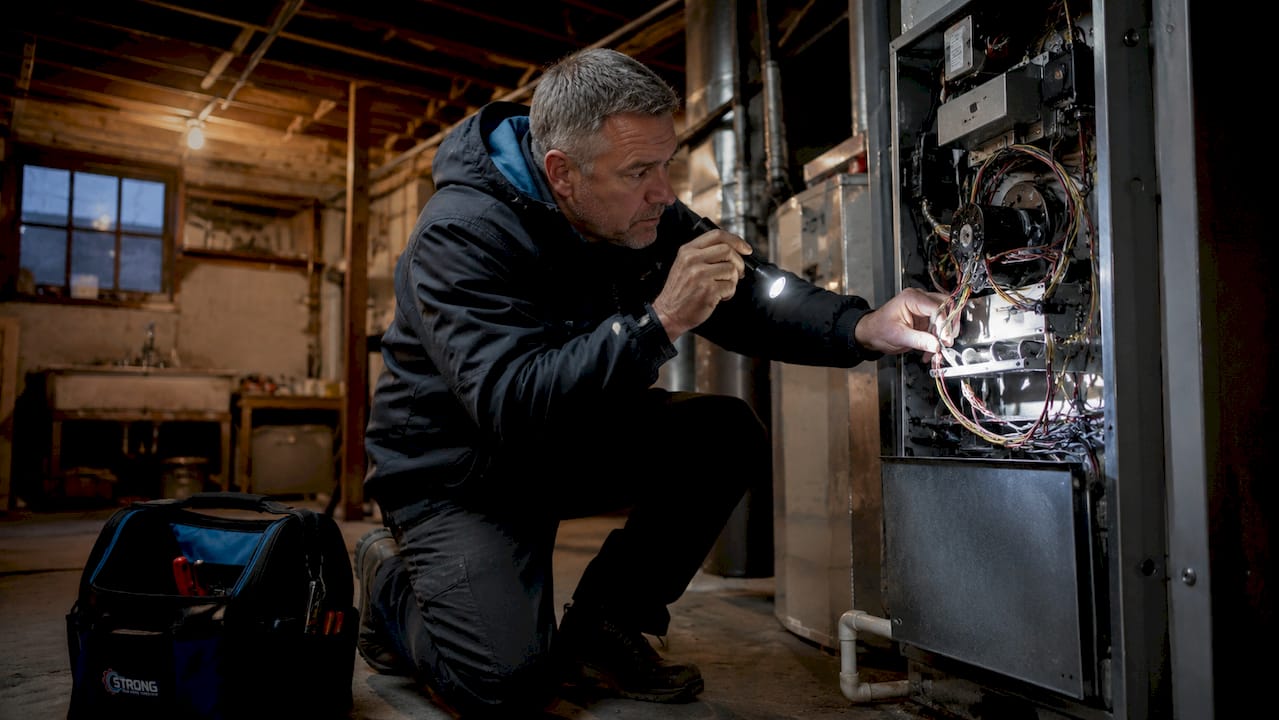
How Colorado Winter Affects HVAC Failures in Your Home
TL;DR:
- Colorado winters stress HVAC systems through extended run times, rapid temperature swings, and high-altitude effects. Proper preventive maintenance, including frequent filter changes and system inspections, can reduce failure risks during cold spells. Ensuring clear exhaust vents and correct altitude calibration helps maintain furnace efficiency and safety throughout harsh winter conditions.
Colorado winters are a direct cause of HVAC system failures, with extreme cold, rapid temperature swings, and high-altitude conditions pushing heating equipment past its limits. Understanding how Colorado winter affects HVAC failures gives you the knowledge to act before your furnace quits on the coldest night of the year. The state’s unique climate creates stressors that most generic HVAC advice never addresses. Colorado Springs homeowners, in particular, face cold snaps that arrive fast and hit hard. This guide explains exactly what happens to your system, why it fails, and what you can do to prevent it.
How does Colorado winter affect HVAC system stress?
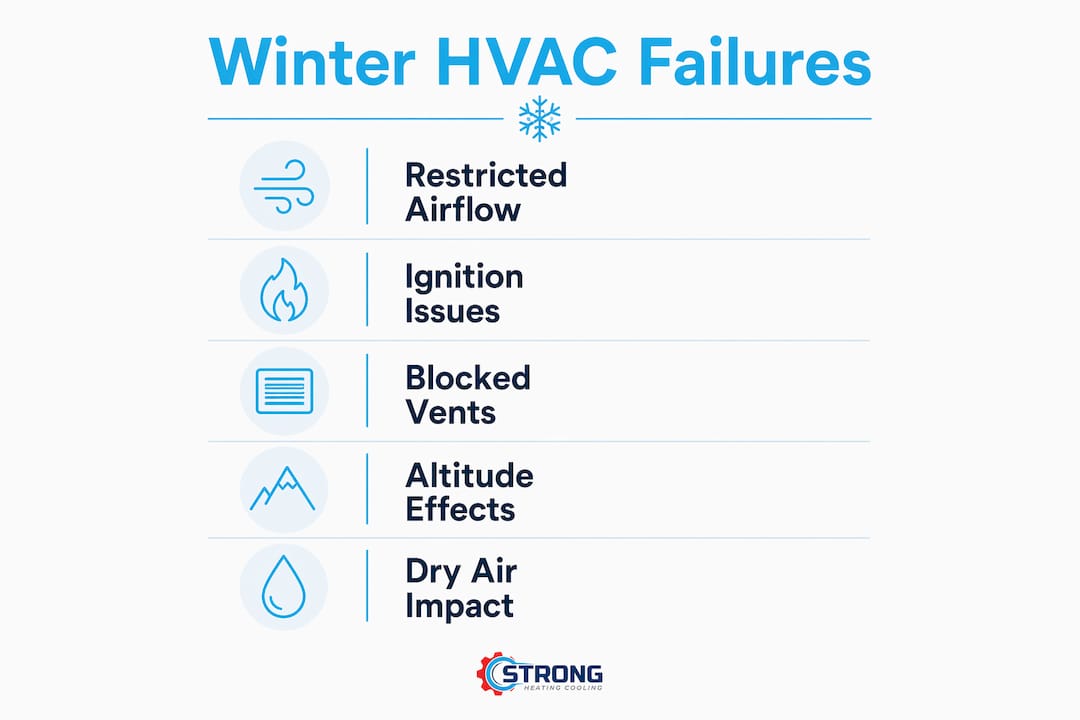
Colorado winters impose a specific type of stress on heating systems that goes beyond simple cold weather. Rapid temperature drops force furnaces to run longer and harder, exposing issues like restricted airflow, ignition problems, and blocked venting. That extended run time is not just an inconvenience. It accelerates wear on every moving part, from the inducer motor to the heat exchanger.
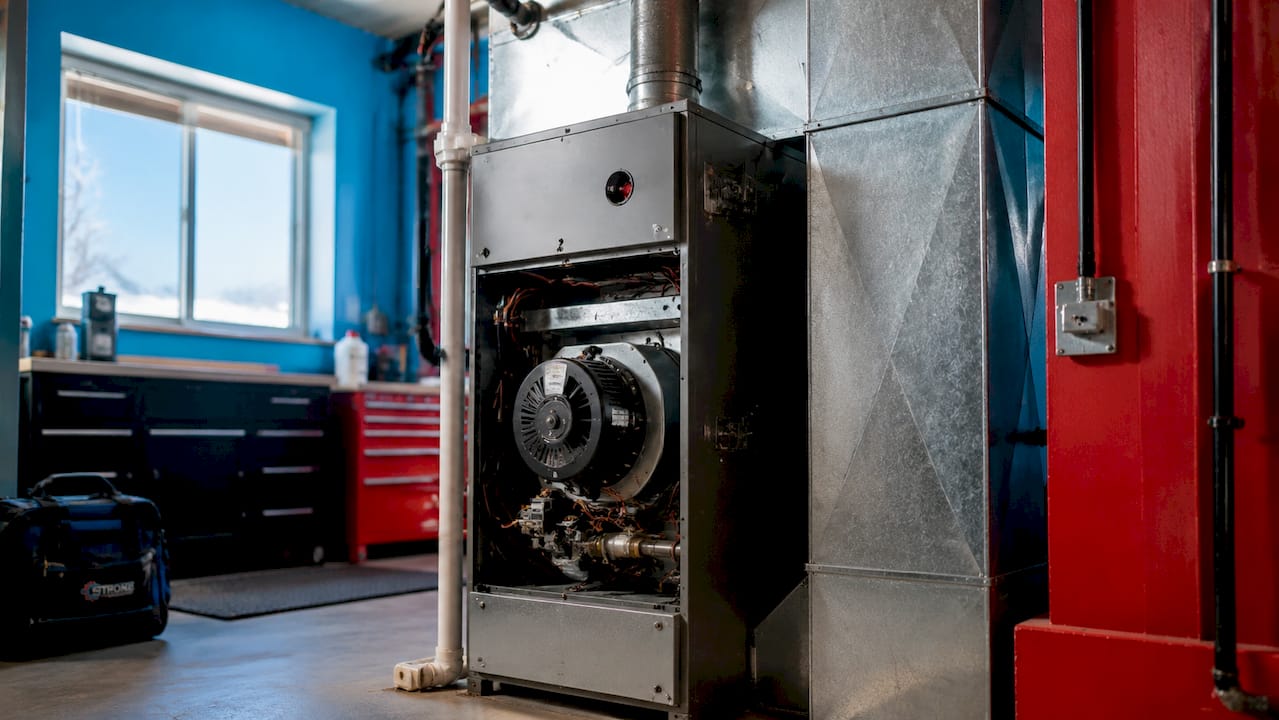
Temperature swings in Colorado are particularly severe. A day that starts at 50°F can drop to single digits by nightfall. That kind of thermal shock causes ductwork to expand and contract rapidly. Thermal expansion creates banging or popping noises in ductwork during cold weather, which is normal. Persistent rattling or grinding, however, signals mechanical damage that needs attention.
Electrical components suffer too. Contactors, circuit boards, and capacitors are all sensitive to rapid temperature changes. When a furnace cycles on and off repeatedly during a cold snap, these components experience voltage spikes and thermal stress that shorten their lifespan. A circuit board that might last 15 years in a mild climate can fail in 8 years under Colorado conditions.
Colorado’s altitude adds another layer of strain. Most of the Colorado Springs area sits above 6,000 feet. At that elevation, the air is thinner, which affects how your furnace burns fuel and how hard your blower motor works to move air through the home.
Pro Tip: If your furnace starts making new noises during a cold snap, do not ignore them. Banging that stops after a few minutes is likely thermal expansion. Grinding or rattling that continues is a mechanical warning sign.
The key stressors Colorado winters place on HVAC systems include:
- Extended furnace run times during cold snaps, increasing mechanical wear
- Rapid temperature swings causing thermal expansion in ductwork and components
- Voltage and thermal stress on electrical parts like contactors and circuit boards
- High altitude reducing combustion oxygen and increasing blower motor effort
- Dry air accelerating dust buildup and static-related component stress
What are the most common HVAC failure modes in Colorado winters?
The most common winter HVAC failures in Colorado fall into four categories: restricted airflow, ignition failure, blocked exhaust venting, and blower motor burnout. Each one has a direct connection to the cold weather conditions the state produces.
Restricted airflow and blower motor burnout
Restricted airflow is the most preventable cause of winter HVAC failure. Closing more than 20% of registers builds pressure in the ductwork and strains the blower motor, often leading to premature motor burnout during peak winter usage. Many homeowners close vents in unused rooms thinking it saves energy. It does not. It forces the blower to work against increased resistance, which generates heat and shortens motor life.
The blower motor is one of the most expensive components to replace in a residential furnace. Protecting it is straightforward: keep at least 80% of your registers open at all times during winter operation.
Ignition and flame sensor problems
Furnace ignition failures increase significantly during Colorado winters. The hot surface igniter, which glows red to light the burner, becomes brittle with age and is more likely to crack under the thermal stress of repeated cold-weather cycling. A dirty flame sensor is equally common. The flame sensor is a small metal rod that confirms the burner has lit. When it gets coated with residue, it cannot detect the flame and shuts the furnace down as a safety measure.
Both of these components are inexpensive to replace during a scheduled tune-up. Left unaddressed, they cause a furnace to fail entirely on the coldest days of the year.
Blocked exhaust vents from snow and ice
High-efficiency furnaces rely on outdoor intake and exhaust pipes that can get clogged or iced over by snow and ice, causing safety shutoffs or preventing furnace startup. This is one of the most common reasons a furnace stops working after a Colorado snowstorm. The pipes are typically white PVC and exit through the side of the house near ground level, making them easy targets for drifting snow.
When these pipes are blocked, the furnace detects a pressure problem and shuts down to prevent carbon monoxide buildup inside the home. That safety feature is working correctly, but the result is a cold house until the blockage is cleared.
Pro Tip: After any significant snowfall, walk around your home and visually check that your furnace exhaust and intake pipes are clear. It takes two minutes and can prevent a complete heating shutdown.
The four most common winter HVAC failure points in Colorado are:
- Blower motor burnout from closed vents and restricted airflow
- Hot surface igniter cracking from repeated thermal cycling
- Flame sensor failure from residue buildup during extended run times
- Exhaust pipe blockage from snow and ice causing safety shutoffs
How does preventive maintenance reduce winter HVAC failures in Colorado?
Preventive maintenance is the single most effective way to reduce the risk of winter HVAC failures in Colorado. A system that receives regular attention before and during the heating season is far less likely to fail during a cold snap than one that runs until something breaks.
Filter replacement schedule
Changing air filters every 30–60 days during sustained winter use is critical to prevent furnace shutdowns and maintain heat delivery. Colorado’s dry, dusty air loads filters faster than in more humid climates. A clogged filter restricts airflow, which causes the furnace to overheat and trigger a high-limit safety shutoff. That cycle of overheating and shutting down is hard on the heat exchanger and can crack it over time.
A cracked heat exchanger is a serious safety issue because it can allow combustion gases, including carbon monoxide, to enter the living space. Replacing a heat exchanger is expensive. Replacing a filter every month is not.
Thermostat settings before cold fronts
Setting the thermostat to a steady level before temperatures drop helps the system maintain comfort without overworking. Many homeowners wait until the cold front arrives and then crank the thermostat up by 10 or 15 degrees. That forces the furnace into an extended, high-demand run cycle that stresses every component. Setting your thermostat to a consistent temperature before the cold hits allows the system to maintain that level gradually rather than playing catch-up.
A programmable thermostat like the Honeywell Home T6 Pro or the Ecobee SmartThermostat makes this easier. You can schedule temperature adjustments in advance so the system prepares before the cold arrives.
Professional winter tune-up checklist
A professional winter tune-up covers the components most likely to fail under Colorado conditions. The table below shows what a thorough inspection should include and why each item matters.
| Maintenance Task | Why It Matters in Colorado |
|---|---|
| Burner inspection and cleaning | Ensures complete combustion at high altitude where oxygen is reduced |
| Igniter and flame sensor check | Prevents ignition failures during cold snap cycling |
| Exhaust and intake pipe inspection | Clears blockages before snowstorms cause safety shutoffs |
| Blower motor lubrication and test | Reduces motor strain during extended winter run times |
| Filter replacement | Prevents overheating and heat exchanger damage in dry, dusty conditions |
| Ductwork pressure check | Identifies leaks or restrictions that increase blower load |
Scheduling this inspection in september or october, before the first hard freeze, gives a technician time to order parts and complete repairs without the urgency of a mid-winter breakdown. Professional HVAC maintenance before the season starts is consistently the most cost-effective approach to avoiding emergency repairs.
The core preventive maintenance habits that protect Colorado HVAC systems include:
- Replacing filters every 30–60 days during active heating season
- Keeping at least 80% of vents open to protect the blower motor
- Checking and clearing exhaust pipes after every significant snowfall
- Setting thermostats to a steady temperature before cold fronts arrive
- Scheduling a professional tune-up before the heating season begins
How does Colorado’s altitude and dry climate uniquely challenge HVAC systems?
Colorado’s altitude and low humidity create HVAC operating conditions that are genuinely different from what most equipment is designed to handle at sea level. Understanding these differences helps you make better decisions about maintenance frequency and component selection.
Altitude effects on combustion and airflow
At high altitudes, reduced oxygen affects furnace combustion, ignition reliability, and gas valve calibration, increasing failure risk in Colorado homes. A furnace rated for sea-level performance produces less heat per cubic foot of gas burned at 6,000 feet. This means the system runs longer to reach the same temperature, which increases wear. Gas valve calibration is particularly important at altitude. A valve set for sea-level gas pressure delivers too much fuel at elevation, which can cause incomplete combustion, sooting, and carbon buildup on the burner.
Many furnaces installed in Colorado require altitude kits or recalibration to operate correctly. If your furnace was installed without this adjustment, it may be working harder than it should every time it runs.
Dry air and dust accumulation
High-altitude dry climate leads to static buildup, increases dust accumulation, and stresses HVAC components more than lower altitude environments. Colorado’s low humidity means dust particles carry static charges that cause them to cling to filters, blower wheels, and heat exchanger surfaces. A blower wheel coated in dust loses efficiency and draws more electrical current, which shortens motor life.
The comparison below shows how Colorado’s climate conditions differ from national averages and what those differences mean for your HVAC system.
| Climate Factor | National Average | Colorado (6,000+ ft) | HVAC Impact |
|---|---|---|---|
| Average winter humidity | 40–50% | 15–25% | Faster dust buildup, more static |
| Altitude | Sea level | 6,000+ feet | Reduced combustion efficiency |
| Temperature swing range | 20–30°F daily | 40–50°F daily | Greater thermal stress on components |
| Filter replacement frequency | Every 90 days | Every 30–60 days | Higher maintenance demand |
The practical response to these conditions is straightforward. Change filters more often than the manufacturer’s standard recommendation. Have your furnace’s gas pressure and combustion settings verified by a technician familiar with Colorado altitude requirements. Consider adding a whole-home humidifier to reduce static and dust adhesion, which protects blower components and improves air quality during dry winter months.
For homeowners in communities like Divide, Monument, or Security-Widefield, these altitude and climate factors are not abstract concerns. They are the reason your neighbor’s furnace failed last january while yours kept running, or vice versa. The difference is almost always maintenance and proper calibration.
Key Takeaways
Colorado winters cause HVAC failures through a combination of extreme cold stress, altitude-related combustion problems, and preventable maintenance gaps that compound during the heating season.
| Point | Details |
|---|---|
| Cold snaps accelerate wear | Extended furnace run times during temperature drops stress igniters, motors, and heat exchangers. |
| Closed vents cause motor failure | Closing more than 20% of registers builds backpressure that burns out blower motors prematurely. |
| Exhaust blockage shuts systems down | Snow and ice on intake and exhaust pipes trigger safety shutoffs in high-efficiency furnaces. |
| Altitude reduces combustion efficiency | Thinner air at Colorado elevations requires proper gas valve calibration to prevent overwork and carbon buildup. |
| Filters need monthly changes in winter | Colorado’s dry, dusty air clogs filters faster, making every 30–60 day replacement critical to system health. |
What I have seen after 40 years of Colorado HVAC work
After four decades of working on heating systems across Colorado Springs and the surrounding communities, the pattern of winter failures is remarkably consistent. The homeowners who call us in january with a dead furnace almost always share one of two stories. Either they closed off half the vents in their house to save on the gas bill, or they skipped the fall tune-up because the system seemed fine.
The vent closure issue is the one that surprises people most. It feels logical. If you are not using a room, why heat it? The problem is that your furnace and ductwork are sized as a system. Closing vents does not reduce the work your furnace does. It redirects that pressure back into the blower, and the blower pays the price. I have replaced more blower motors from this single cause than from any other preventable mistake.
The other thing I want homeowners to understand is that Colorado’s altitude is not a minor footnote. A furnace running at 7,000 feet without proper calibration is like a car engine running with the wrong fuel mixture. It works, but it works harder than it should, and the wear accumulates faster than you would expect. If you moved into a home and do not know whether the furnace was ever calibrated for altitude, that is worth asking a technician about.
The good news is that most winter HVAC failures are predictable and preventable. A furnace inspection in the fall catches the igniter that is about to crack, the flame sensor that needs cleaning, and the exhaust pipe that is positioned where snow will block it. Those are $50 fixes in september. They become $500 emergency calls in december.
— Owner
Stay warm this winter with Strongheatingandcooling
Colorado winters do not give much warning before temperatures drop. Strongheatingandcooling has served Colorado Springs and the surrounding communities for over 40 years, and our team understands exactly how the local climate affects your heating system. Whether you need a pre-season tune-up, an emergency repair during a cold snap, or a full system replacement, we bring honest pricing and experienced technicians to every job.

We serve homeowners across Colorado Springs, Divide, Monument, Security-Widefield, Ellicott, and the broader region. If your furnace is showing warning signs or you simply want to get ahead of winter before it arrives, our heating services in Divide and Monument heating services teams are ready to help. Schedule your winter maintenance visit today and give your family the reliable heat they deserve all season long.
FAQ
Why does my furnace fail during Colorado cold snaps?
Cold snaps force furnaces to run longer and harder, exposing weaknesses in igniters, flame sensors, and blower motors that were not apparent during lighter use. Systems that have not been recently serviced are most vulnerable during these high-demand periods.
How often should I change my furnace filter in Colorado winter?
Replace your furnace filter every 30–60 days during active winter use in Colorado. The state’s dry, dusty air loads filters faster than in more humid climates, and a clogged filter causes overheating and system shutdowns.
Can closing vents in unused rooms damage my HVAC system?
Closing more than 20% of your registers builds backpressure in the ductwork that strains and can burn out the blower motor. Keep at least 80% of vents open throughout the heating season to protect your system.
Why does altitude affect my furnace in Colorado?
Thinner air at Colorado elevations reduces the oxygen available for combustion, which lowers furnace efficiency and can cause incomplete burning if the gas valve is not calibrated for altitude. A technician can verify and adjust your system’s settings for your specific elevation.
What should I check after a Colorado snowstorm?
Check that your furnace’s outdoor intake and exhaust pipes are clear of snow and ice. Blocked pipes trigger safety shutoffs in high-efficiency furnaces, which is a common reason heating systems stop working after a storm.
Recommended
Need expert HVAC help?
Colorado Springs' trusted, veteran-owned heating & cooling team — emergency service.