
Resetting Your HVAC System Safely After a Power Outage
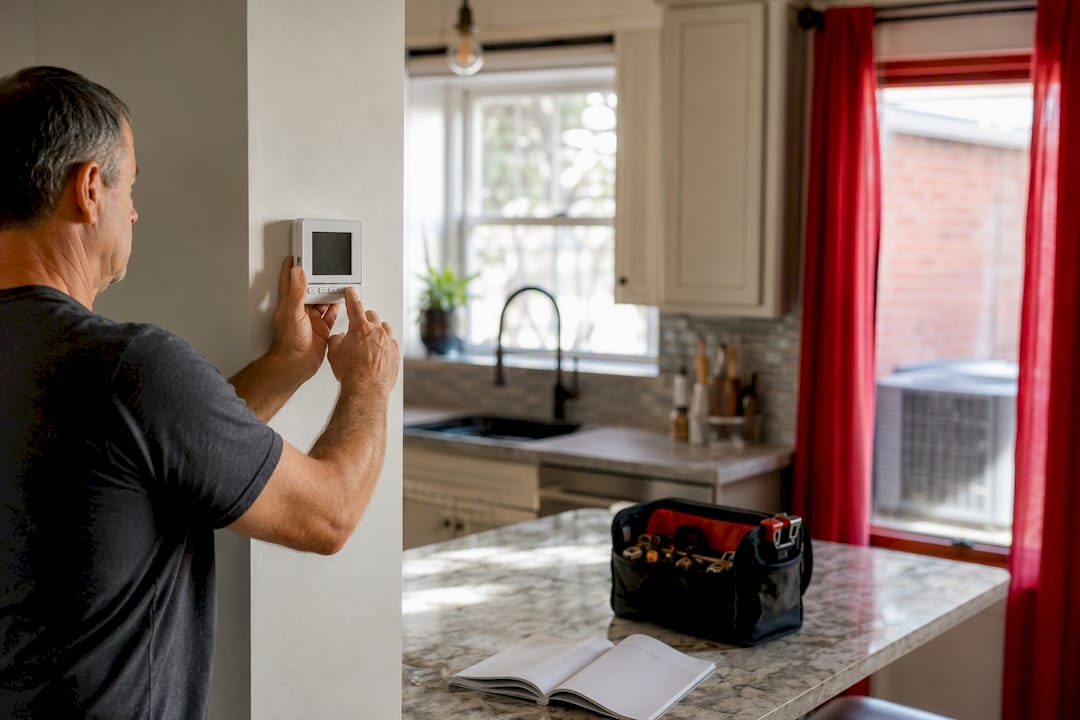
Reset your HVAC system after an outage in this order: thermostat off, confirm your home has power, reset any tripped HVAC breakers, wait 15 to 30 minutes, then restore power and reprogram the thermostat. That wait isn’t optional. It gives the compressor’s internal protections time to reset and lets refrigerant pressure equalize, which is why many air conditioners build in a delay before the condenser will even start following a blackout.
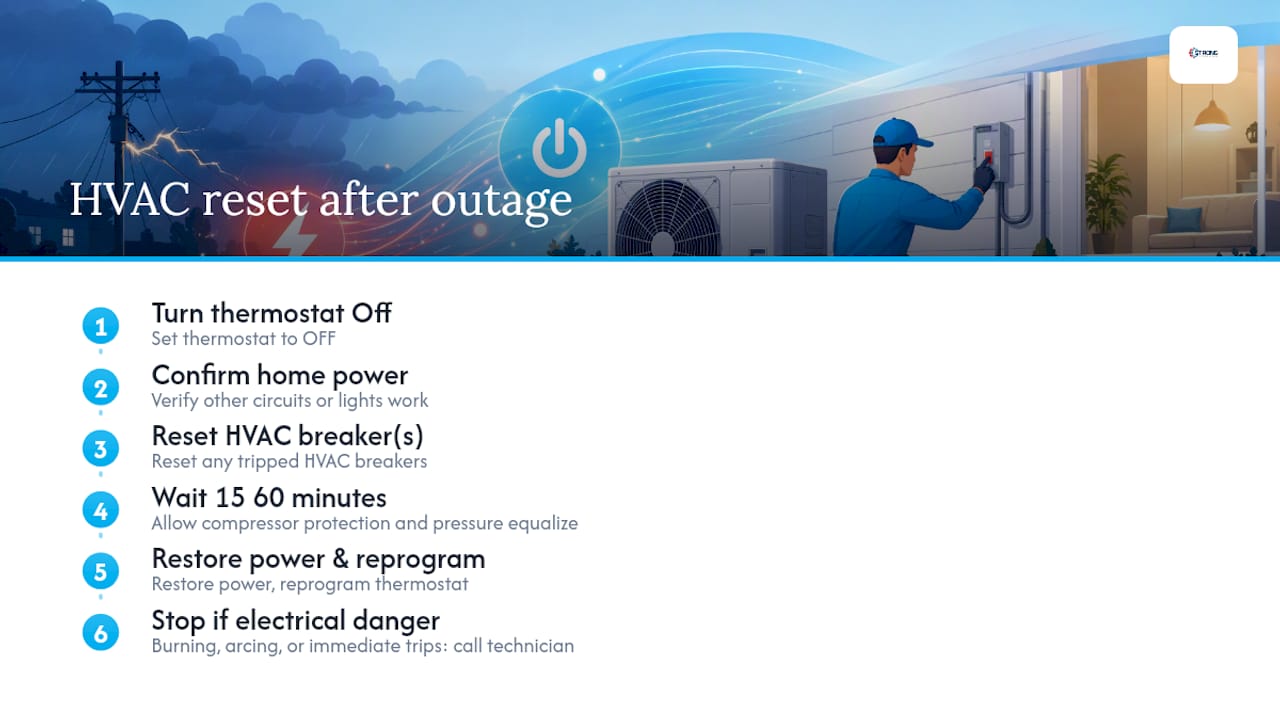
Stop immediately if you smell burning, see scorch marks or arcing at the panel, or a breaker trips again the moment you flip it. Those are jobs for a licensed technician, not a second attempt at the breaker.
Key Takeaways
A safe HVAC restart after an outage always follows the same order: power off, confirm electricity, reset breakers, wait 15 to 30 minutes, then restore power and reset the thermostat.
| Point | Details |
|---|---|
| Follow the restart order | Thermostat off, confirm home power, reset breakers, wait, then restore power in sequence. |
| Respect the wait time | Waiting 15 to 30 minutes lets refrigerant pressure and compressor protections stabilize before restart. |
| Watch for red flags | Burning smells, arcing, repeated breaker trips, or a bulging capacitor mean stop and call a professional. |
| Check the thermostat first | Dead batteries or lost programming often look like a full HVAC failure but aren’t. |
| Prevent the next surge | Whole-home and condenser surge protection reduce the odds of repeat damage during outages. |
Table of Contents
- Resetting an HVAC System After an Outage: Quick Checklist
- Step-By-Step: What Each Part of the Restart Actually Does
- Why Isn’t My AC Cooling After the Restart?
- When Should You Stop and Call a Professional?
- How Do You Protect Your HVAC System From the Next Outage?
- Sources
- FAQ
Resetting an HVAC System After an Outage: Quick Checklist
Work through these in order. Don’t skip the wait, even if the house feels hot.
- Set the thermostat to OFF and check whether the display is blank or dim. Dead batteries or a lost program are common after an outage.
- Walk through the house and confirm lights, outlets, and appliances have power. If your home is still dark, this isn’t an HVAC problem. Call your utility.
- Open the electrical panel and find the breakers labeled for your furnace, air handler, and outdoor condenser. Reset any that flipped to the middle position.
- Locate the outdoor disconnect box near the condenser, switch it off, and press the unit’s reset button if one is present.
- Wait a suitable period before restoring power. This isn’t a formality. It’s the window most manufacturers build in to protect the compressor from a hard start.
- Flip the outdoor disconnect back on, confirm the indoor breakers are set, then set the thermostat to your normal temperature and watch the system for 10 to 15 minutes.
Pro Tip: Snap a quick photo of the outdoor unit and the thermostat screen before you touch anything. If a technician finds surge damage later, that timestamp helps with warranty or insurance claims.
Step-By-Step: What Each Part of the Restart Actually Does
Before you touch a single switch, confirm the outage is actually over. Check a neighbor’s porch light or a streetlamp, and make sure other circuits in your home are live. Resetting a system while the grid is still unstable just invites a second surge.
Powering everything down first
Set the thermostat to OFF, not just to a lower temperature. Then head to the outdoor unit and switch the disconnect box to OFF. Finally, go to your electrical panel and shut off the breakers feeding the furnace or air handler and the outdoor condenser. Many homes run these as a two-breaker setup, one for the indoor blower and one for the outdoor compressor, so check both even if only one looks tripped.
What to look for before you flip anything back on
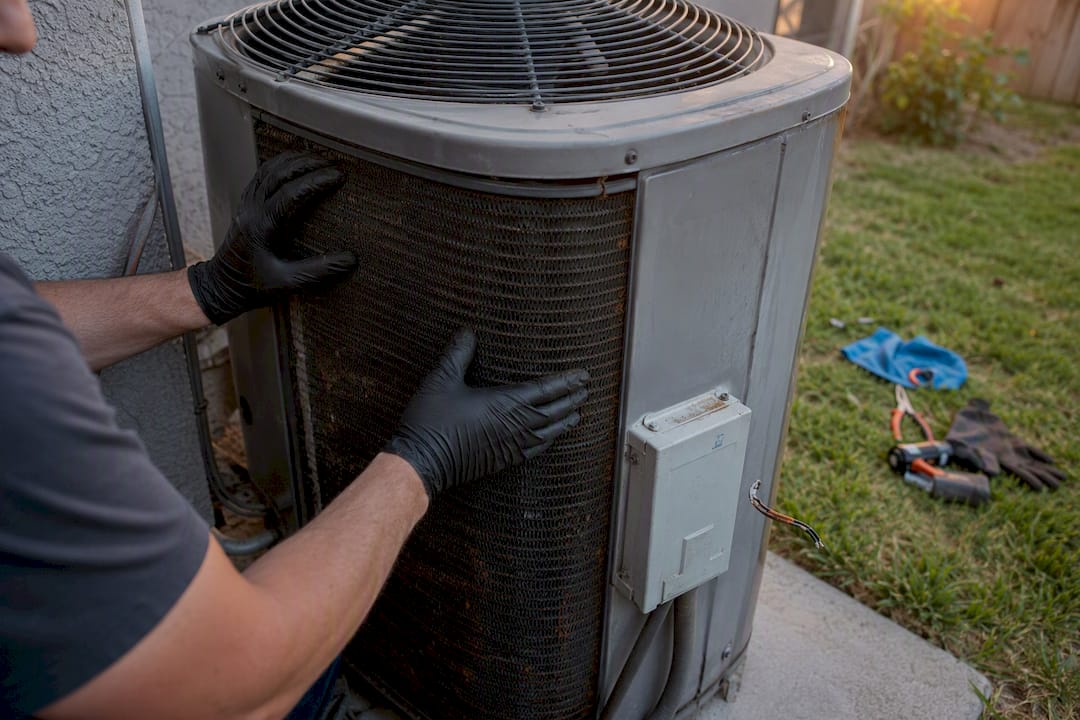
Walk around the outdoor unit and look for obvious trouble: a cracked or bulging capacitor, melted wiring, scorch marks near the disconnect fuses, or a burning smell. Check the thermostat screen for error codes or a completely blank display. Pull the air filter while you’re at it. A filter that’s been clogged for months puts extra strain on a system that’s already had a rough day.
Why the wait actually matters
The 15 to 30 minute pause isn’t arbitrary caution. It gives refrigerant pressure time to equalize and lets the compressor’s built-in delay protection reset, which prevents a hard start that can burn out a motor or trip a breaker again. Waiting this window out reduces the risk of the kind of hard start that damages compressors, and it’s the single step homeowners are most likely to rush through when the house is uncomfortable and patience is thin.
Bringing the system back online
Restore power in this order: outdoor disconnect first, then the indoor and outdoor breakers, then the thermostat. Give each step a few seconds before moving to the next rather than throwing every switch at once. Once the thermostat powers up, reset your temperature and mode settings, since many units lose their programming or revert to factory defaults during an outage.
What to watch for in the first half hour
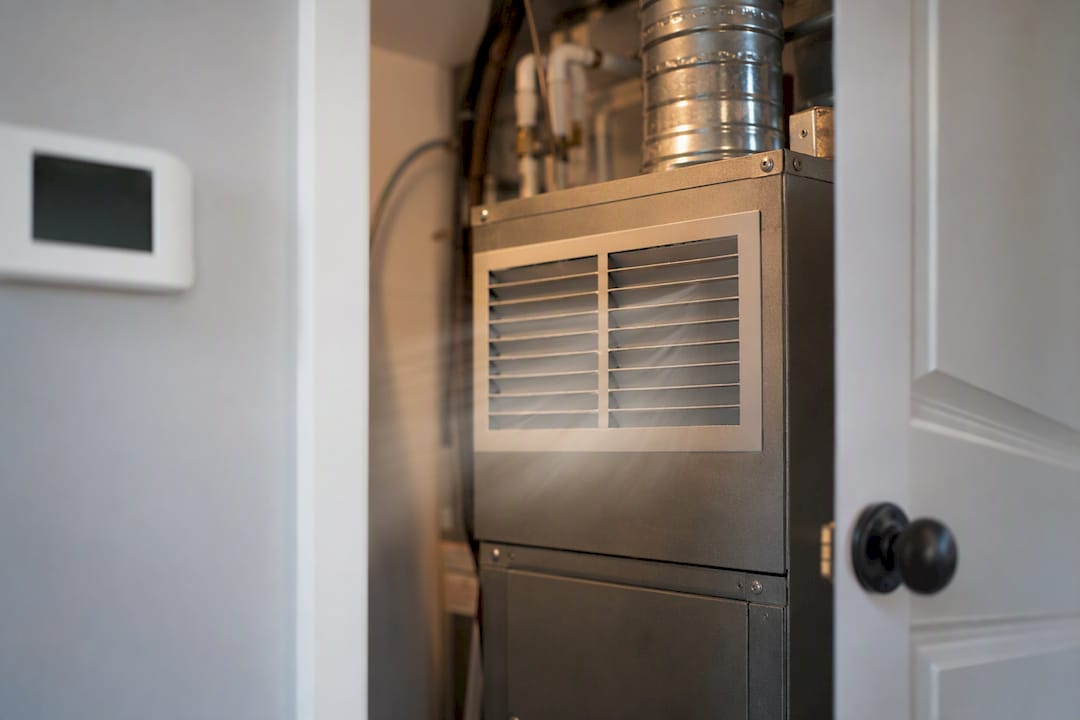
Stand near the indoor unit and listen. You want a smooth blower start, steady airflow at the vents within a few minutes, and no clicking, humming, or buzzing from outside. Cool air should reach the vents within 10 to 15 minutes of the compressor kicking on. If the fan runs but the air stays warm, or if you hear the outdoor unit struggling to start, move to troubleshooting before assuming the reset failed completely.
Why Isn’t My AC Cooling After the Restart?
A handful of symptoms show up again and again after an outage, and each one points to a different fix.
- Indoor fan runs, but no cool air. This usually means the outdoor unit isn’t running. Check the outdoor breaker, inspect the disconnect for a blown fuse, and confirm the condenser’s reset button hasn’t tripped. A silent outdoor unit can also mean a failed capacitor or compressor.
- Breaker trips immediately or trips again after a reset. Stop resetting it. Repeated tripping signals an electrical fault that needs an electrician or HVAC technician, not another attempt.
- Weak airflow once everything is running. Check the filter and make sure vents around the house are open. If airflow stays weak after that, it can point to duct trouble or early compressor strain.
Pro Tip: If your system clicks but doesn’t start, resist testing it more than once. Each failed attempt puts more strain on a capacitor that may already be on its way out.
When Should You Stop and Call a Professional?
Some signs mean the DIY reset is over, full stop. Watch for a burning smell near the furnace or outdoor unit, visible smoke, arcing or sparking at the panel, oil residue around the compressor, or a capacitor that looks swollen or split. Any of these calls for shutting the system down at the disconnect or breaker and leaving it off until a professional looks at it.
Power surges when electricity comes back online can trip breakers, blow fuses in the outdoor disconnect, or damage capacitors and control boards, and none of those repairs are safe to attempt yourself. If the issue is a breaker that keeps tripping no matter how many times you reset it, that’s an electrician’s job. If the system powers on but won’t cool, hums without starting, or shows a persistent thermostat error code, that’s an HVAC technician’s job. Our warning signs guide for emergency HVAC repair walks through how to tell the difference before you make a call.
If the outage stretches on and your home is losing its cooling for hours, keep an eye on anyone in the house who’s elderly, very young, or has a health condition. Losing cooling during extended heat raises the risk of heat-related illness for vulnerable occupants, so don’t wait out a hot afternoon if someone in your home is struggling.
How Do You Protect Your HVAC System From the Next Outage?
A whole-home surge protector installed at your electrical panel, paired with a dedicated surge device at the condenser, is one of the more effective upgrades you can make. Surge protection at both the panel and the unit reduces the odds of the compressor or control board taking damage the next time the power blinks.
Beyond surge protection, a few habits go a long way:
- Have capacitors, contactors, and control boards tested during your annual maintenance visit, since these are the parts that fail first after a surge.
- Replace an aging capacitor before it fails rather than after, especially if your system is more than seven or eight years old.
- Keep your thermostat’s firmware updated and batteries fresh so it doesn’t lose its programming every time the power drops.
- Schedule a professional inspection after any major outage, even if the system seems to be running fine, since some surge damage doesn’t show up until weeks later.
Pro Tip: If your neighborhood loses power more than once or twice a year, a surge protector at the condenser typically pays for itself the first time it prevents a compressor replacement.
A Field Note on What Actually Goes Wrong
The mistake we see most after outages isn’t a mechanical one, it’s a sequencing one. Homeowners go straight to the thermostat, get nothing, and assume the whole system failed, when the real issue was dead batteries or lost programming. The second most common mistake is resetting a tripped breaker two or three times in a row, hoping it holds. That habit is exactly what turns a simple reset into a service call for a burned contactor.
We’ve also opened up units that restarted fine after an outage and still found a capacitor sitting at half its rated capacity, quietly waiting to fail on the next hot day. That’s the case for a post-outage inspection even when everything seems to be working. If you’d rather not troubleshoot a stubborn system yourself, our cooling service team can check it out and rule out hidden damage before it becomes a bigger repair.
Sources
For more on thermostat behavior during outages, see Honeywell Home’s guidance on power loss and set points. If your thermostat keeps acting up, why a failing thermostat can mimic an HVAC breakdown explains the overlap. For urgent situations, our emergency HVAC guide covers next steps.
- When there is a loss of power, will the thermostat hold the set point temperature? | Honeywell Home
- AC not working after power outage? How to fix it | Angi
- How to reset your air conditioner after a power surge: Step-by-step guide | AllFix HVAC
- CDC — Heat-related illness data and research
FAQ
How Do I Reset My HVAC System After a Power Outage?
Turn the thermostat off, confirm your home has power, reset any tripped HVAC breakers, wait 15 to 30 minutes, then restore power to the outdoor disconnect and breakers before resetting the thermostat.
How Long Does It Take for an HVAC Unit to Reset?
Most systems need 15 to 30 minutes after power is restored before the compressor will safely restart, since built-in delay protection prevents a hard start that could damage the unit.
How Do I Reboot My HVAC System?
Rebooting means fully powering down at the thermostat, outdoor disconnect, and breakers, waiting for the recommended interval, then restoring power in that same order and reprogramming the thermostat.
My AC Isn’t Blowing Cold Air. How Do I Reset It?
Check that the outdoor breaker is on and the disconnect fuses aren’t blown, since a fan that runs without cold air usually means the outdoor unit isn’t starting. If it clicks or hums without starting, stop and call a technician instead of resetting it again.
Recommended
- Emergency Heat Source Options to Keep Your Home Safe | Strong Heating And Cooling
- Emergency HVAC: What to Do When Comfort Can’t Wait | Strong Heating And Cooling
- Staying Safe With a Broken HVAC in Winter | Strong Heating And Cooling
- HVAC Emergency Safety Steps Every Homeowner Should Know | Strong Heating And Cooling
Need expert HVAC help?
Colorado Springs' trusted, veteran-owned heating & cooling team — same-day service.