
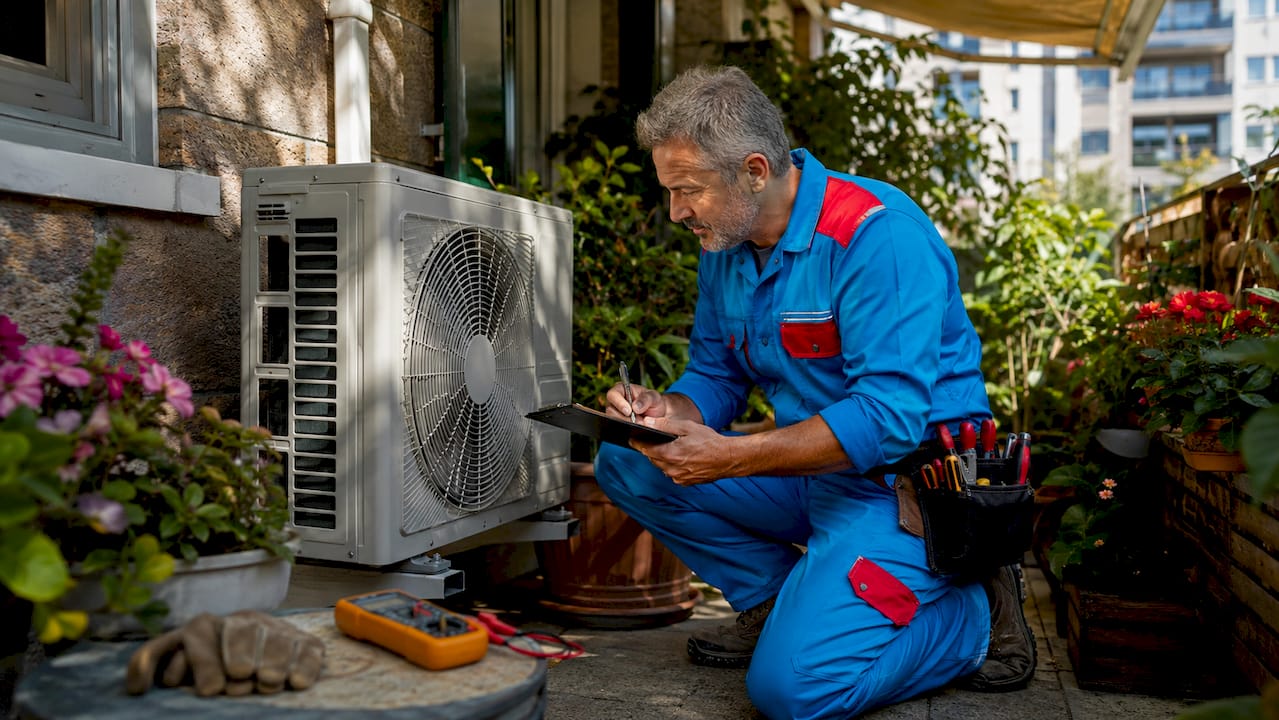
Questions to Ask an Emergency HVAC Technician
TL;DR:
- Asking the right questions ensures safety, transparency, and lasting repairs during emergency HVAC services.
- Verifying credentials, understanding emergency severity, and obtaining written estimates help homeowners avoid unexpected costs and ineffective work.
Knowing the right questions to ask an emergency HVAC technician is the single most effective way to protect yourself from unsafe repairs, surprise bills, and wasted time. Emergency HVAC service calls, known in the industry as unscheduled urgent repairs, carry higher stakes than routine maintenance visits. Credentials, cost transparency, diagnosis clarity, and repair versus replacement guidance all need to be addressed before a technician touches your system. This guide walks you through every category of question, with specific language you can use even when you are stressed and your home is uncomfortable.
1. What certifications and credentials should you confirm?
A qualified emergency HVAC technician must hold verifiable credentials before handling your system. The most critical is EPA Section 608 certification, specifically Type II or Universal, which is legally required for any technician who handles refrigerants. Hiring someone without this certification exposes you to liability and puts your system at risk.
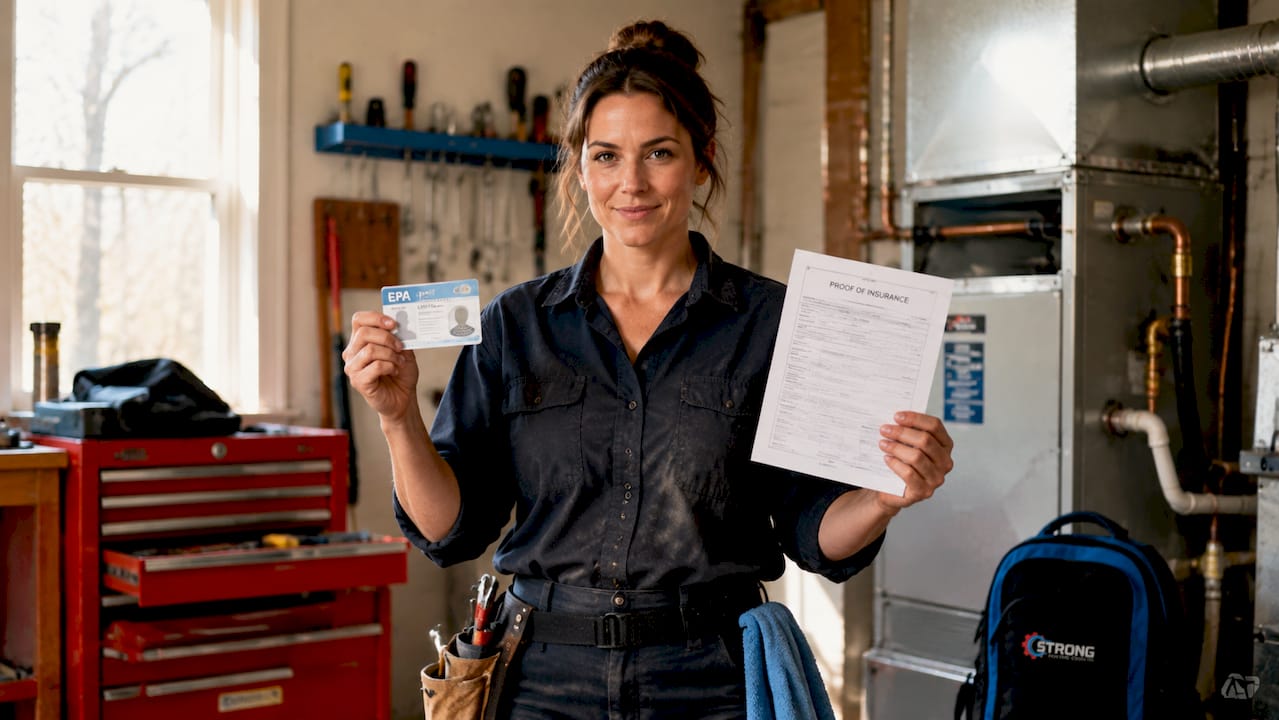
Beyond EPA certification, ask for proof of liability insurance and workers’ compensation coverage. If a technician is injured on your property and carries no workers’ comp, you could face a legal claim. Liability insurance protects your home if the technician causes accidental damage during the repair.
License verification is equally important. Most states require HVAC contractors to hold a state-issued license, and Colorado is no exception. Ask for the license number and verify it through your state’s contractor licensing board before work begins.
Experience with emergency repairs specifically matters too. A technician who primarily handles new installations may not diagnose a failing heat exchanger or a locked compressor as quickly as one who runs emergency calls regularly.
Pro Tip: Ask the technician to show their EPA certification card and insurance certificate on-site before they begin any work. A legitimate professional will have these documents readily available.
2. How do you know if your situation is a true HVAC emergency?
A true HVAC emergency is defined by safety risk or habitability threat, not just discomfort. Gas smells, smoke, and electrical sparks all qualify as genuine emergencies requiring immediate action. Weak airflow, a slightly warm room, or a thermostat that seems off do not meet that threshold.
Calling emergency service for a non-urgent problem costs significantly more than scheduling a standard appointment. Emergency labor rates typically run higher than daytime rates, and that cost difference adds up fast when the issue could have waited until morning.
Use these questions to assess your situation before calling:
- Is there a gas smell, burning odor, or visible smoke near the unit?
- Are there electrical sparks or unusual sounds like loud banging or grinding?
- Is the indoor temperature reaching a level that threatens a vulnerable resident, such as an infant, elderly person, or someone with a medical condition?
- Has the system completely stopped working during extreme heat or cold?
- Is there water actively flooding from the unit?
If you answered yes to any of the first three questions, safety comes first. A gas smell or electrical burning odor means you should shut off power, evacuate, and contact emergency services before calling any HVAC technician.
Pro Tip: Review the warning signs that need urgent repair before an emergency happens. Knowing these signs in advance helps you make faster, calmer decisions when it matters.
3. What should you ask about pricing and billing upfront?
Cost transparency is where most homeowners get caught off guard during emergency calls. Emergency HVAC labor typically runs $150–$250 per hour, with a minimum charge of one to two hours, plus after-hours or weekend surcharges on top of that. That structure can push a straightforward repair into a much larger bill than expected.
Ask these specific questions before agreeing to any work:
- What is your hourly labor rate for emergency calls?
- Is there a minimum number of hours billed regardless of how long the job takes?
- Do you charge an after-hours or weekend surcharge, and how much is it?
- Is the diagnostic fee separate from the labor charge, or is it included?
- Will you provide a written estimate before starting any repair?
The diagnostic fee question matters more than most homeowners realize. Some companies charge a flat diagnostic fee and then apply it toward the repair cost. Others charge it separately, which adds to your total. Knowing this upfront prevents confusion when the invoice arrives.
Vague answers about pricing are a warning sign. A reputable technician will give you clear numbers before touching your system. If they cannot or will not, that tells you something important about how the rest of the transaction will go.
Reading HVAC quotes carefully before signing anything is one of the most practical habits a homeowner can develop. Ask whether the company offers a service or maintenance plan, since some plans waive after-hours surcharges for members.
Pro Tip: Always insist on a written estimate before work begins, especially during after-hours visits. A written estimate protects you from billing disputes and gives you a clear record of what was agreed.
4. What diagnostic and repair questions help you make the right decision?
Understanding what is wrong with your system, in plain language, is your right as a homeowner. Ask the technician to explain the diagnosis clearly and show you the exact failure point. Accepting a vague answer like “your system is old and needs work” risks missing a specific, costly problem that could have been addressed directly.
Once you understand the diagnosis, shift to repair versus replacement questions. These are the questions that protect your long-term investment:
- How long will this repair realistically last given the age of my system?
- Will this repair void any existing manufacturer warranty?
- What is the total repair cost compared to the cost of a new energy-efficient system?
- Are there manufacturer rebates or tax incentives available if I choose replacement?
- Is this a temporary fix or a permanent solution?
Major repairs can void warranties, which changes the financial picture entirely. If your system is still under warranty and the technician recommends a repair that would void it, you need to know that before agreeing.
The repair versus replacement calculation also involves energy efficiency. An older system running at low efficiency costs more to operate every month. A new energy-efficient system paired with available rebates and tax incentives may cost less over five years than keeping an aging unit running. The repair versus replacement decision deserves a clear, numbers-based conversation with your technician.
| Consideration | Repair | Replacement |
|---|---|---|
| Upfront cost | Lower | Higher |
| Long-term efficiency | Unchanged | Improved |
| Warranty impact | May void existing warranty | New warranty begins |
| System age factor | Practical if under 10 years | Recommended if over 15 years |
| Rebate eligibility | Typically none | Often available for new systems |
Pro Tip: Ask whether the recommended repair will affect your HVAC warranty coverage before approving any work. This one question can save you thousands of dollars in future repair costs.
5. How should you prepare and communicate before the technician arrives?
Preparation before the technician arrives directly reduces the time and cost of the service call. Clearing access to your indoor and outdoor units, securing pets, and locating your system’s model and serial numbers all help the technician work faster and more accurately. These numbers allow the technician to identify your equipment and check parts availability before arriving.
Follow these steps before making the call:
- Check your electrical panel for a tripped breaker. Many apparent emergencies are simply a tripped circuit, and resetting it takes 30 seconds.
- Note the model and serial numbers from the label on your indoor air handler and outdoor unit.
- Write down exactly what the system is doing, including any sounds, smells, or error codes on the thermostat display.
- Clear a path to both the indoor and outdoor units so the technician can access them immediately.
- Secure pets in a separate room to prevent delays and safety issues during the visit.
When you call the dispatcher, describe symptoms specifically. “The system is blowing warm air and making a clicking sound when it tries to start” gives the technician far more to work with than “the AC is broken.” Specific descriptions allow the technician to bring the right parts, which reduces the chance of a second visit.
Ask the dispatcher whether the technician carries common replacement parts on the service vehicle. 24/7 service claims sometimes mean an answering service rather than a stocked truck. Confirming that an actual technician with parts is on call prevents a frustrating situation where the technician diagnoses the problem but cannot fix it until parts are ordered.
Pro Tip: If your AC coils are frozen, turn off the cooling mode but keep the fan running to safely thaw the ice. Continuing to run cooling on frozen coils risks serious compressor damage and a much larger repair bill.
Key takeaways
Asking the right questions before and during an emergency HVAC service call protects your safety, controls your costs, and leads to repairs that actually last.
| Point | Details |
|---|---|
| Verify credentials first | Confirm EPA Section 608 certification, liability insurance, and state license before work begins. |
| Define the emergency clearly | True emergencies involve safety hazards; non-urgent issues can wait to avoid premium fees. |
| Get pricing in writing | Ask about labor rates, minimum hours, surcharges, and diagnostic fees before approving any work. |
| Understand the diagnosis | Ask for a plain-language explanation and the exact failure point before agreeing to repairs. |
| Weigh repair against replacement | Factor in warranty impact, system age, efficiency gains, and available rebates before deciding. |
What I have learned from years of emergency HVAC calls
After more than 40 years of combined experience in this industry, the pattern I see most often is not a broken compressor or a failed heat exchanger. It is a homeowner who agreed to work they did not fully understand, at a price they did not confirm in writing, from a technician whose credentials they never verified.
The homeowners who come out of an emergency call feeling good about the outcome are almost always the ones who asked questions before the technician started. They asked for the license number. They asked for the written estimate. They asked whether the repair would void the warranty. Those questions take less than five minutes, and they change the entire dynamic of the service call.
The ones who feel burned are usually the ones who were too stressed or too polite to ask. An emergency is stressful. I understand that. But a legitimate technician will not be offended by direct questions about credentials and pricing. If a technician gets defensive when you ask for a written estimate, that reaction is the answer to your question.
One thing I tell every homeowner: the difference between a temporary fix and a permanent repair is a question worth asking out loud. Technicians do not always volunteer that distinction. Some repairs buy you a season. Others solve the problem for a decade. You deserve to know which one you are paying for.
Preparation also matters more than most homeowners expect. Checking the circuit breaker before calling, noting the model number, and clearing access to the unit are small steps that consistently reduce call time and cost. They also give you more credibility in the conversation with the technician, because you arrive informed.
— Owner
Strongheatingandcooling is ready when you need emergency HVAC service
When your heating or cooling system fails at the worst possible time, Strongheatingandcooling provides licensed, experienced technicians who arrive with stocked vehicles and give you straight answers on pricing before any work begins.

Serving Colorado Springs and surrounding communities, Strongheatingandcooling handles emergency heating repairs, AC failures, and full system replacements with upfront pricing and over 40 years of combined experience. Whether you need emergency AC repair or are weighing a furnace repair versus replacement, the team gives you clear options without pressure. Call Strongheatingandcooling to speak directly with a technician, not an answering service.
FAQ
What certifications should an emergency HVAC technician have?
An emergency HVAC technician should hold EPA Section 608 certification, Type II or Universal, for refrigerant handling. They should also carry proof of liability insurance and a valid state contractor’s license.
How do I know if my HVAC problem is a real emergency?
A real HVAC emergency involves a safety hazard such as a gas smell, electrical burning odor, smoke, or sparks. Discomfort issues like weak airflow or a slightly warm room are not emergencies and can wait for standard service.
What should I do before calling an emergency HVAC technician?
Check your electrical panel for a tripped breaker first, since many apparent failures are simply a tripped circuit. Also note your system’s model and serial numbers and clear access to both the indoor and outdoor units.
How much does an emergency HVAC call typically cost?
Emergency HVAC labor typically runs $150–$250 per hour with a minimum charge of one to two hours, plus after-hours or weekend surcharges. Always ask for a written estimate before approving any work to avoid surprise charges.
Should I repair or replace my HVAC system after an emergency?
The right choice depends on the system’s age, the repair cost, and whether the repair would void the existing warranty. If the system is over 15 years old or the repair cost approaches the price of a new energy-efficient system with available rebates, replacement is often the better long-term investment.
Recommended
Need expert HVAC help?
Colorado Springs' trusted, veteran-owned heating & cooling team — same-day service.