
HVAC Inspection Before Tenant Move-In: A Landlord’s Guide
Hire a technician certified by recognized industry standards for a professional pre-move-in inspection and tune-up before any new tenant takes occupancy. That single step addresses safety, reduces emergency repair costs, and prevents the kind of move-in day failures that damage tenant relationships from day one. Schedule the visit about two weeks before the move-in date for general readiness, but for maximum coverage, align with the relevant season: schedule AC and cooling system checks in spring, and heating system checks in early fall before peak demand.
Here is what to do immediately:
- Book a licensed, insured HVAC contractor with relevant industry certification or documented manufacturer training.
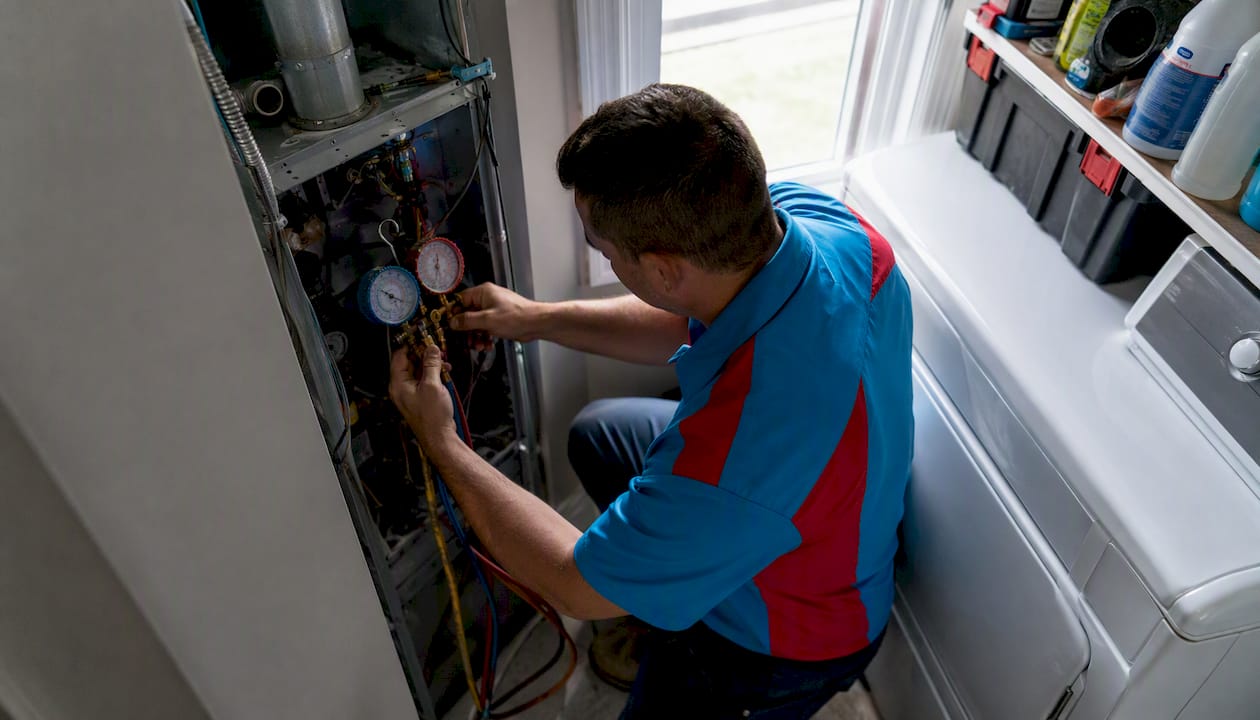
- Require combustion analysis, CO testing, and refrigerant pressure checks, not just a visual walkthrough.
- Request a written inspection report with pass/fail flags, measured values, and prioritized repair recommendations.
- Follow Energy Star’s heating and cooling maintenance guidance as the baseline safety standard for fuel-burning equipment.
- Contact Strongheatingandcooling if you manage properties in Colorado Springs or the surrounding communities.
Pro Tip: Ask any contractor you are considering whether their tune-up includes refrigerant pressure measurement and combustion analysis. If the answer is no, keep looking.
Key Takeaways
A certified, measurement-focused HVAC technician and a written inspection report are the two non-negotiable requirements for a safe, documented pre-move-in HVAC assessment.
| Point | Details |
|---|---|
| Hire a certified technician | Require NATE certification or manufacturer training, plus proof of license and insurance. |
| Require measurement-based testing | Combustion analysis, CO testing, refrigerant pressures, and amp draw must appear as numbers on the report. |
| Schedule 1–2 weeks out (with seasonal alignment) | Book 1–2 weeks before move-in, scheduling cooling system checks in spring and heating system checks in early fall to avoid peak season and ensure system readiness. |
| Triage findings by safety | Combustion failures and CO readings require immediate shutoff; other repairs can be scheduled by urgency. |
| Strongheatingandcooling | Serves Colorado Springs landlords with documented tune-ups, written reports, and priority scheduling between tenants. |
Table of Contents
- What does inspecting HVAC before tenant move-in actually cover?
- Why a pre-move-in HVAC inspection protects your property and your tenants
- Who should perform the inspection and what to ask before you book
- When should you schedule, how long will it take, and what drives the cost?
- How to prepare the unit and what to hand off to the tenant
- What to do when the inspection uncovers problems
- What authoritative standards and tests should appear on the report?
- Recommended next steps you can act on today
- What 40 years of HVAC experience teaches you about pre-move-in inspections
- Strongheatingandcooling serves Colorado Springs landlords with documented, measurement-based HVAC service
- Sources
- FAQ
What does inspecting HVAC before tenant move-in actually cover?
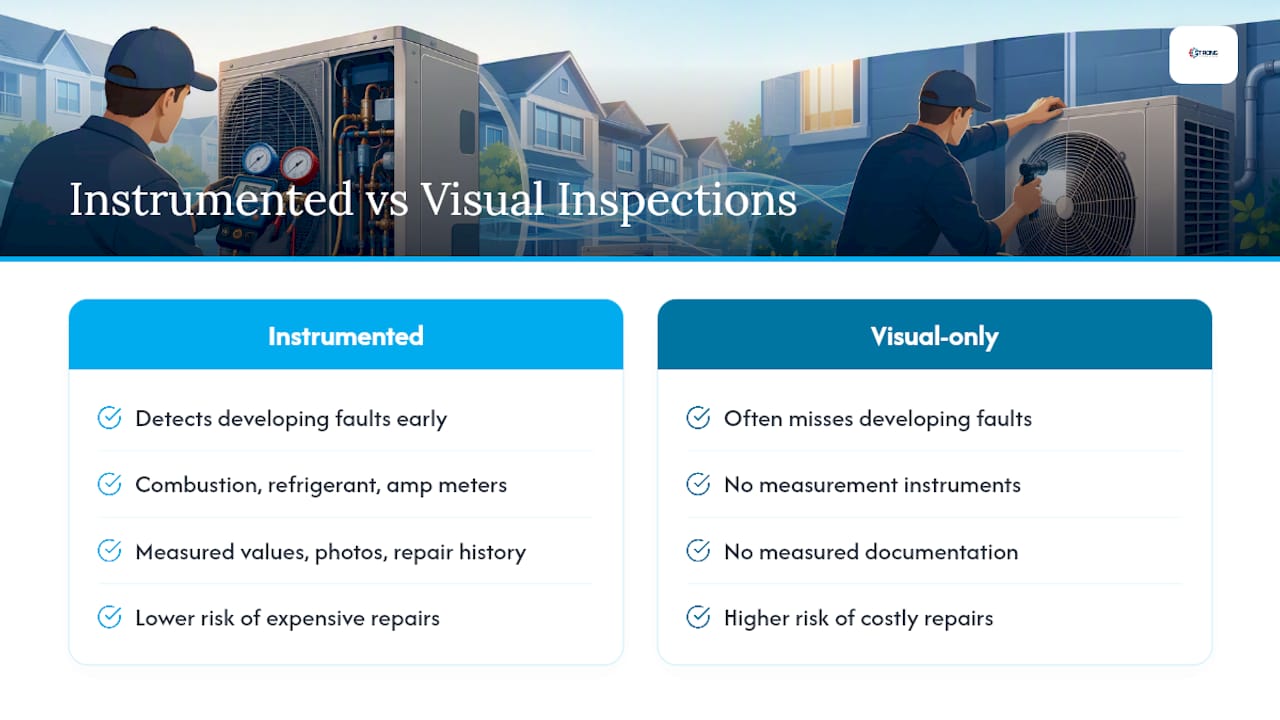
A professional pre-move-in HVAC assessment goes well beyond confirming the system turns on. ACCA warns that not all tune-ups use the same scope, and a visual-only check will miss low refrigerant, unsafe combustion, and failing electrical components. Require measurement-based tasks aligned with manufacturer standards.
A thorough pre-move HVAC assessment covers these tasks:
Safety and measurement checks:
- Combustion analysis on all fuel-fired equipment (furnace, boiler)
- Carbon monoxide testing at the unit and at registers
- Heat-exchanger inspection for cracks or deterioration
- Venting and flue inspection for blockages or back-drafting
- Gas pressure verification at the manifold
- Refrigerant pressure and charge measurement on AC and heat pump systems
- Motor amp draw on blower and condenser fan motors
- Thermostat calibration and programming verification
- Temperature split across the evaporator coil
- Airflow measurement at supply and return registers
Cleaning and maintenance tasks:
- Filter replacement (or confirmation of correct filter size and MERV rating)
- Evaporator and condenser coil cleaning
- Condensate drain clearing and pan inspection
- Blower wheel cleaning and lubrication of moving parts
- Electrical connection tightening and contact inspection
Per Carrier’s AC tune-up guidance, a complete tune-up includes thermostat checks, electrical testing, refrigerant level testing, coil and condensate cleaning, lubrication, and airflow verification. A basic inspection often only confirms the system runs; a true tune-up takes longer and delivers far greater preventive value.
What the written report must include:
| Report Element | What to Look For |
|---|---|
| Pass/fail safety items | Combustion result, CO reading, heat-exchanger status |
| Measured values | Refrigerant pressures, amp draws, temperature split, airflow |
| Photos | Cracked components, dirty coils, condensate issues |
| Recommended repairs | Prioritized by urgency (immediate, 30-day, seasonal) |
| Filter and maintenance notes | Size, MERV rating, replacement date |
Why a pre-move-in HVAC inspection protects your property and your tenants
The safety case is straightforward. Neglected fuel-burning furnaces can develop cracked heat exchangers or blocked vents that raise carbon monoxide risk, and Energy Star recommends professional seasonal checks that specifically address combustion safety. CO is odorless and colorless; a tenant will not notice it until there is already a problem.
The financial case is equally clear. Catching a refrigerant leak or a failing blower motor before move-in costs a fraction of what an emergency service call costs mid-lease, especially after hours. Service between tenants allows landlords to correct airflow issues, reset thermostats, and avoid early service calls that erode tenant confidence.
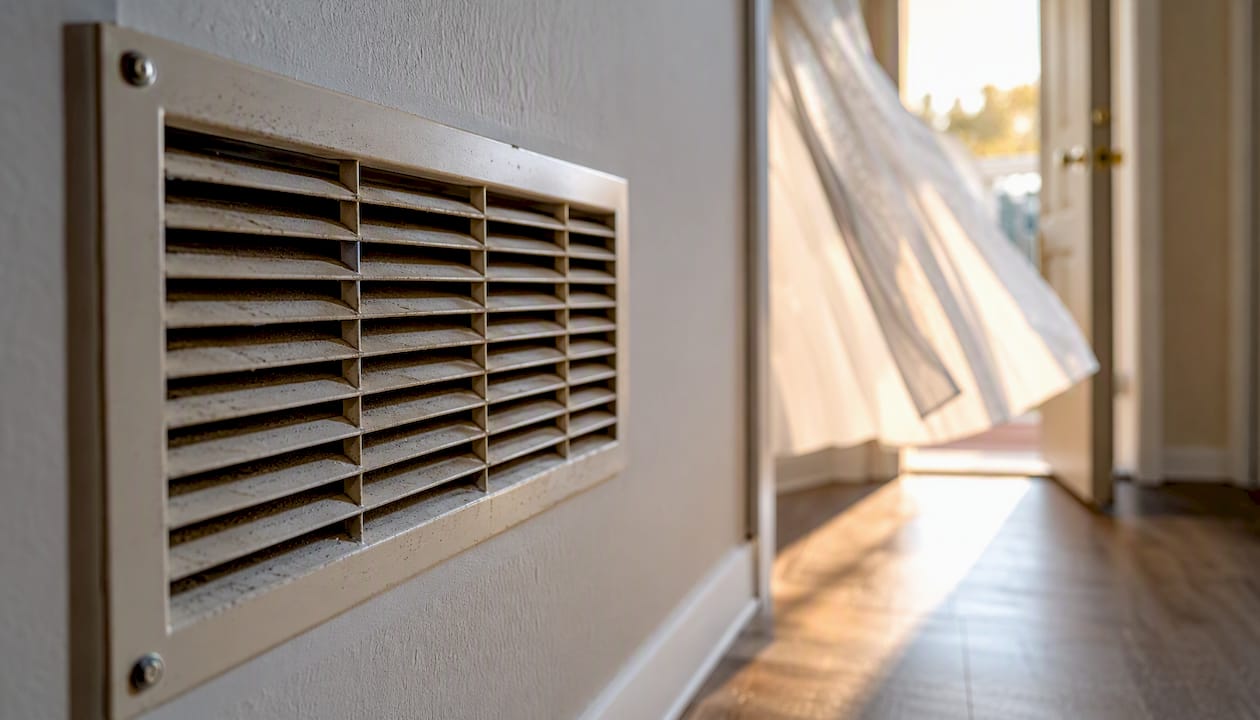
Tenant retention follows naturally from a well-prepared unit. A tuned system is less likely to generate comfort complaints in the first 30 days, which is when most tenants form lasting impressions of a property. Early-fall heating inspections and pre-winter tune-ups reduce outages and are widely recommended between tenants to prevent move-in issues.
Who should perform the inspection and what to ask before you book
The right contractor holds a state HVAC license, carries liability insurance and workers’ compensation, and has NATE certification or documented manufacturer training. NATE-certified technicians have passed independent, knowledge-based exams covering specific equipment categories, which is a stronger credential than a general contractor’s license alone.
Before booking, ask these questions directly:
- Does the visit include refrigerant pressure measurement and charge verification?
- Will you perform combustion analysis and CO testing on fuel-fired equipment?
- Do you measure motor amp draw and temperature split?
- Will I receive a written report with measured values and photos?
- Can you provide a sample report from a recent similar job?
- Do you carry errors-and-omissions coverage in addition to general liability?
Red flags to watch for: a “basic inspection” described as visual only, a low-cost special that skips measurement tools, and any contractor who cannot produce a sample written report. Manufacturers often require documented routine maintenance to protect warranty coverage, so a contractor who does not document their work may inadvertently void your equipment warranty.
Pro Tip: Ask for references specifically from other landlords or property managers, not just homeowners. A contractor who regularly serves rental properties understands the documentation and scheduling requirements that come with tenant transitions.
When should you schedule, how long will it take, and what drives the cost?
Scheduling window: Book 1–2 weeks before the move-in date to allow time for any repairs, and for best seasonal results, plan AC and cooling system checks in spring and heating system checks in early fall, before peak demand.
Visit duration:
Cost drivers to understand:
- System age: older equipment requires more time and may need additional parts
- Required repairs discovered during the visit (billed separately from the tune-up fee)
- Measurement services: combustion analyzers and refrigerant gauges add time and cost
- Emergency or after-hours scheduling carries a premium
- Documentation and reporting: some contractors charge extra for written reports with photos
Ask for a firm estimate for the inspection or tune-up itself, and request that any recommended repairs be quoted as separate line items before work begins.
How to prepare the unit and what to hand off to the tenant
Before the technician arrives, replace or remove any obviously clogged filters so the technician can install the correct replacement and document the size and MERV rating. Clear access to the air handler, furnace, condenser, and all supply and return vents. Unlock mechanical closets and set the thermostat to a mode that allows testing. Running the system periodically during vacancy prevents equipment seizure and mold, so the system should already be operational when the technician arrives.
After the inspection and tune-up, collect and organize these documents before handing over the unit:
- The written inspection and tune-up report
- Receipts for any repairs completed
- Filter size, MERV rating, and replacement date
- Manufacturer manuals and warranty paperwork for all installed equipment
- Contractor contact information for post-move-in service
The tenant handoff packet should include written thermostat operating instructions, the recommended filter replacement schedule, and the service provider’s contact information. A preventive HVAC maintenance schedule helps tenants understand their responsibilities and reduces calls about normal system operation.
Pro Tip: Photograph the equipment, vents, and thermostat at move-in and attach the HVAC report to the move-in packet. This documentation protects you if a tenant later claims the system was already failing.
What to do when the inspection uncovers problems
Not every finding requires the same response. Triage by safety and severity.
Immediate action required (do not allow occupancy):
- Active combustion failure or unsafe flue condition
- Confirmed cracked heat exchanger
- CO reading above safe threshold at any register
- Gas leak at the manifold or connections
Schedule within 24–72 hours:
- Significant refrigerant leak with measurable performance loss
- Failing blower motor with high amp draw
- Condensate drain blockage causing active water damage
Schedule on normal maintenance cycle:
- Minor airflow imbalance across registers
- Non-critical duct sealing recommendations
- Filter or thermostat upgrade suggestions
If a safety item is found, provide the tenant with the inspection report, the repair timeline, and any temporary accommodations or mitigations in writing. Documenting your response protects you legally and demonstrates good faith.
Pro Tip: Keep a copy of every repair receipt and the original inspection report in a property file. If a dispute arises later, the paper trail shows the system was professionally serviced and safe at move-in.
What authoritative standards and tests should appear on the report?
A report from a qualified contractor should reference or align with recognized standards. Energy Star’s maintenance checklist sets the baseline for combustion safety on fuel-burning equipment. ACCA’s quality maintenance guidance defines measurement-based inspection tasks that go beyond visual checks. Manufacturer service documentation from equipment brands specifies required maintenance intervals and tasks.
Safety tests that should appear on any fuel-burning system report:
- Combustion analysis results (CO, CO2, flue temperature, efficiency)
- Heat-exchanger inspection result with pass/fail notation
- CO reading at the unit and at supply registers
- Venting and flue condition with any blockage or back-draft findings noted
- Gas pressure at manifold (measured value, not just “within range”)
Performance measurements for cooling and heat pump systems:
- Refrigerant suction and discharge pressures with charge assessment
- Blower and condenser fan motor amp draw versus nameplate rating
- Temperature split across the evaporator coil
- Airflow at supply and return registers
Every measured value should appear as a number, not a narrative. “Refrigerant pressure within range” is not a measurement; “suction pressure 68 PSI, target 65–75 PSI” is.
Recommended next steps you can act on today
Three actions cover the essentials:
- Book a licensed, certified technician one to two weeks before the move-in date and confirm the scope includes measurement-based testing and a written report.
- Budget for likely small repairs: filter replacement, coil cleaning, and condensate drain service are common findings and are inexpensive when addressed proactively.
- If any CO or combustion-safety flag appears during the inspection, require an immediate shutoff and emergency repair before the tenant takes occupancy.
When you call to schedule, confirm these items with the contractor:
- System type and age (furnace, AC, heat pump, or combination)
- Access requirements (locked mechanical rooms, roof-mounted equipment)
- Expected arrival window and estimated visit duration
- Specific tests included: combustion analysis, CO testing, refrigerant measurement, motor amp draw
- Format and delivery of the written report
What 40 years of HVAC experience teaches you about pre-move-in inspections
The most consistent pattern across rental property service calls is this: the problems that generate the most expensive repairs and the most tenant frustration were visible during the previous inspection and were either skipped or noted without follow-up. A cracked heat exchanger does not appear overnight. Low refrigerant charge does not develop in a week. These are conditions that build over time, and a measurement-based inspection catches them at the point where a repair is still straightforward.
Strongheatingandcooling has served Colorado Springs and the surrounding communities for decades, and the pre-move-in inspections that hold up are the ones where the technician arrives with instruments, not just eyes. Combustion testing, refrigerant gauges, and amp meters are not optional add-ons; they are the difference between a report that documents real system condition and one that simply confirms the equipment powered on.
The written report matters just as much as the visit itself. A landlord who can hand a tenant a documented inspection report with measured values, photos, and a clear repair history is in a fundamentally different position than one who can only say “we had it checked.” That documentation protects the property owner, sets clear expectations for the tenant, and creates a maintenance baseline for every future service visit.
Strongheatingandcooling serves Colorado Springs landlords with documented, measurement-based HVAC service
For landlords and property managers in Colorado Springs and surrounding communities, Strongheatingandcooling delivers pre-move-in HVAC inspections and tune-ups that cover every item on this checklist: combustion and CO testing, refrigerant pressure measurement, motor amp draw, coil cleaning, condensate service, and a written report with photos and prioritized repair recommendations.

With over 40 years of combined experience, the team at Strongheatingandcooling understands the scheduling pressure that comes with tenant transitions. Priority scheduling is available for landlords managing between-tenant service windows, and any repairs found during the inspection can be quoted and completed in the same visit when parts are available. Whether the unit needs a cooling system tune-up or a full residential HVAC maintenance plan, Strongheatingandcooling provides the documentation you need to hand off a safe, verified unit to your next tenant. Call to schedule your pre-move-in inspection and receive a firm estimate before the technician arrives.
Sources
These authoritative references support the standards and tasks described in this guide. Attach the relevant ones to your contractor scope of work when booking a pre-move-in inspection.
- Energy Star — Heating & cooling maintenance checklist
- ACCA — Quality maintenance of residential HVAC systems
- Vacant property maintenance checklist: Keep empty units ready to rent
- Fall HVAC maintenance plan for rentals - Guide | RentRedi
- HVAC inspection vs tune-up: What homeowners actually need
- What’s included in an HVAC tune-up | HVAC Services By Vu
- When Should Rental Properties Receive HVAC Service?
This article is general information, not a substitute for advice from a qualified doctor. Consult a qualified healthcare professional about your own circumstances before acting on anything here.
FAQ
How often should a rental property HVAC system be inspected?
Most professionals recommend regular full tune-ups annually, with additional visits for older systems, scheduled seasonally to cover cooling and heating periods. Service between tenants is also strongly recommended to reset the system baseline and catch any issues before a new occupancy begins.
What is the difference between an HVAC inspection and a tune-up?
A basic inspection typically confirms the system operates; a full tune-up includes cleaning, measurement, electrical testing, coil washing, combustion analysis, and written documentation. Tune-ups take longer and provide far greater preventive value for rental properties.
Does a pre-move-in HVAC inspection protect landlords legally?
A written inspection report with measured values and photos documents the system’s condition at move-in, which can protect landlords in disputes over pre-existing damage or habitability claims. It also demonstrates due diligence on safety obligations.
What credentials should I require from an HVAC technician?
Require a state HVAC license, proof of liability insurance and workers’ compensation, and NATE certification or documented manufacturer training. Ask for a sample written report before booking to confirm the scope matches what this guide recommends.
When is the best time to schedule a pre-move-in HVAC inspection?
Book 1–2 weeks before the move-in date, and for best results, schedule cooling system checks in spring and heating system checks in early fall to match the relevant season and avoid peak demand delays.
Recommended
- HVAC’s Role in Habitability Standards: 2026 Guide | Strong Heating & Cooling
- Buying a House? What to Check on the HVAC Before You Close | Strong Heating & Cooling
- Handling Tenant HVAC Complaints Professionally in 2026 | Strong Heating & Cooling
- Coordinating HVAC Repairs Between Tenants: 2026 Guide | Strong Heating & Cooling
Need expert HVAC help?
Colorado Springs' trusted, veteran-owned heating & cooling team — emergency service.