
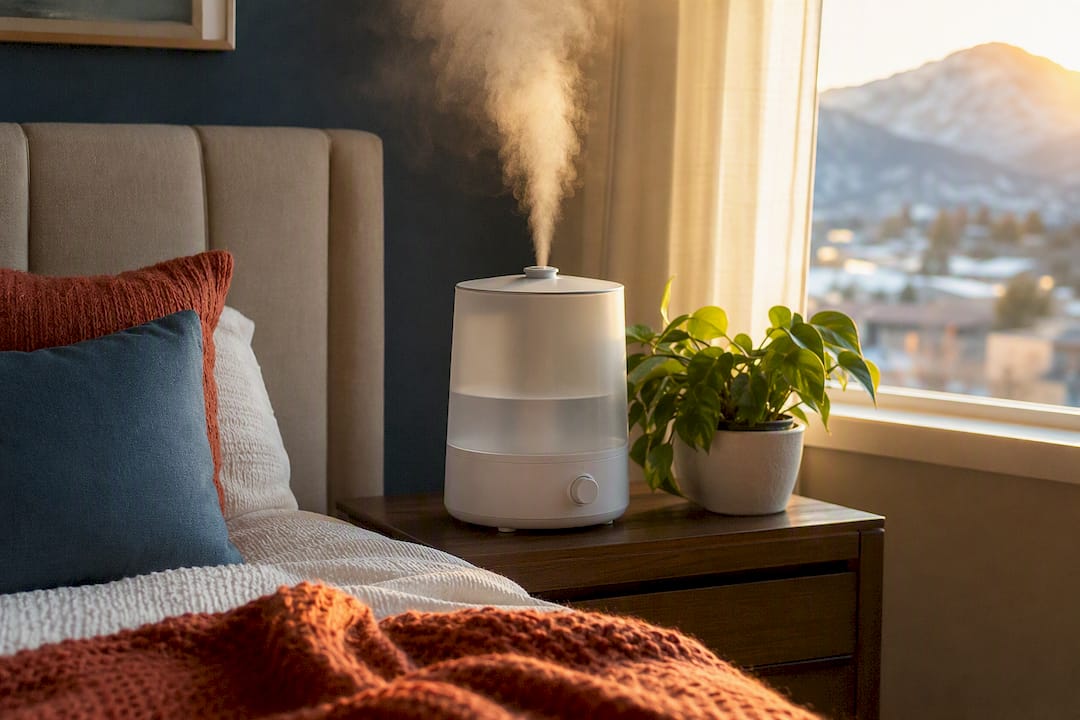
Ideal Indoor Humidity: What to Aim For Year-Round
Keep your home in the relative humidity range recommended by the EPA for controlling mold, dust mites, and dry-air irritation. Grab a hygrometer and check your current reading today. Don’t let humidity climb past the upper recommended limit, as mold and moisture damage become increasingly likely beyond that point.
- Target: 30% to 50% RH, most rooms, most of the year
- Action: measure now with a hygrometer ($10 to $60)
- Ceiling: never sustain above 60% RH
Key Takeaways
| Point | Details |
|---|---|
| Core target range | Keep relative humidity between 30% and 50% in most rooms year-round. |
| Seasonal adjustment | Aim closer to 30% to 40% in winter and 45% to 50% in summer to avoid condensation. |
| Never exceed 60% | Sustained readings above 60% significantly raise mold and dust-mite risk. |
| Measure before you fix | Use a $10 to $60 hygrometer placed away from vents and sunlight to get an accurate baseline. |
| Whole-home solutions | Strong Heating And Cooling installs ducted humidifiers and dehumidifiers for households that outgrow portable units. |
Table of Contents
- Why Ideal Indoor Humidity Matters More Than You Think
- What Humidity Range Should You Target by Season and Room?
- What Happens When Indoor Humidity Is Too Low?
- What Happens When Indoor Humidity Is Too High?
- How Do You Measure Indoor Humidity Accurately?
- How Can You Safely Raise Indoor Humidity?
- How Can You Lower High Indoor Humidity?
- How Should You Maintain Humidifiers and Dehumidifiers Safely?
- When Should You Call an HVAC Professional?
- Strong Heating And Cooling’s Perspective on Humidity Control
- How Strong Heating And Cooling Keeps Your Home in the Right Range
- Sources
- FAQ
Why Ideal Indoor Humidity Matters More Than You Think
Dry air irritates your sinuses, dries out your skin, and can make sleep worse because your nose and throat work harder overnight. On the other end, damp air feeds dust mites and mold spores, both common asthma triggers.
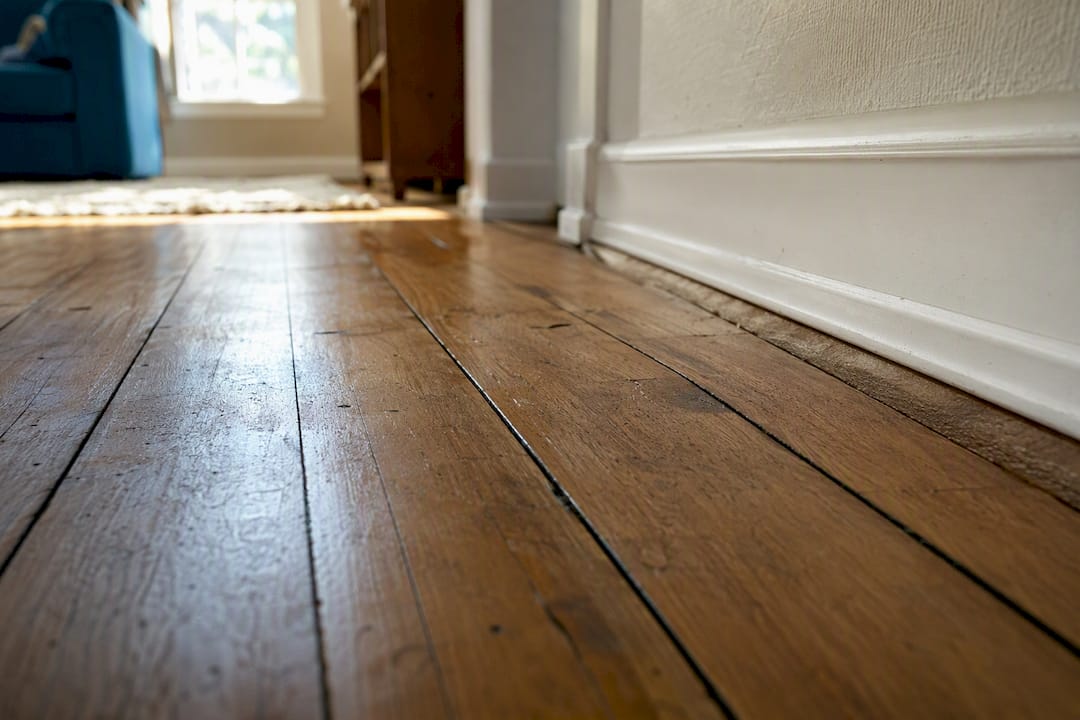
Your house feels the swings too. Wood floors shrink and gap when air gets too dry, then swell when it’s too wet. Paint peels, musical instruments go out of tune, and drywall can eventually warp. Your HVAC system is the main tool for keeping humidity steady, since it moves and conditions the air your home breathes all day.
Pro Tip: Newer, tightly sealed homes trap moisture from showers, cooking, and even breathing. If your house was built or renovated in the last 15 years, check your humidity more often. It swings faster than in older, leakier homes.
What Humidity Range Should You Target by Season and Room?
- Winter: Aim closer to 30% to 40%. Cold outdoor air lowers the dew point, so pushing humidity too high indoors causes condensation on windows and inside walls.
- Summer: You can sit closer to 45% to 50%, since warmer outdoor air holds more moisture and the risk of surface condensation drops.
- Bedrooms: Stay in the mid-30s to low 40s for easier breathing overnight, especially if anyone in the house has allergies.
- Basements: These run naturally damp. Target the low end, around 30% to 40%, and watch for musty smells that signal you’re losing that battle.
- Nurseries: Keep steady around 40% to 45%. Swings are harder on infants’ developing airways than on adults.
- Crawl spaces: Often need dedicated dehumidification since they rarely get normal airflow.
ASHRAE Standard 55 technically allows up to 60% for thermal comfort, but that ceiling raises mold and allergen risk in most homes. If anyone in your household has asthma or allergies, the NHLBI suggests staying closer to 45% as a practical, safer target.
What Happens When Indoor Humidity Is Too Low?
Dry air shows up on your body first. Nosebleeds become more common too, especially in kids and people who already deal with sinus issues.
Your house shows the strain differently. Wood trim and flooring can crack or gap, and paint or drywall seams sometimes start showing hairline separations.
- Dry, itchy skin and chapped lips
- Frequent static shocks
- Nosebleeds or scratchy throat, especially on waking
- Cracked wood trim or gapping floorboards
- Worsened snoring or nighttime coughing
Low humidity also aggravates asthma and allergy symptoms by drying out airway linings. If you’re seeing these signs, a portable humidifier in the bedroom is often enough to bring quick relief while you address the whole-home picture.
What Happens When Indoor Humidity Is Too High?
Excess moisture is where mold, dust mites, and structural rot take hold. Once relative humidity sits above 60% for extended stretches, mold spores that are always present in the air start finding the damp surfaces they need to grow, according to EPA mold guidance. Dust mites thrive in the same conditions, which is bad news for anyone with allergies or asthma.
You’ll usually notice it before you measure it. Rooms feel clammy even with the air conditioning running, and your AC has to work harder to compensate. Window condensation, especially on the inside of the glass, is one of the clearest visual warning signs. A musty smell in a basement or closet is another.
- Condensation forming on windows or cold pipes
- Musty odor in basements, closets, or bathrooms
- Visible mold or mildew on grout, drywall, or window sills
- Clammy, sticky air even when the AC is running
How Do You Measure Indoor Humidity Accurately?
A basic digital hygrometer costs $10 to $30 and gives you a reliable reading in seconds. Smart, app-connected models run $30 to $60 and let you track trends over time, which matters more than any single snapshot.
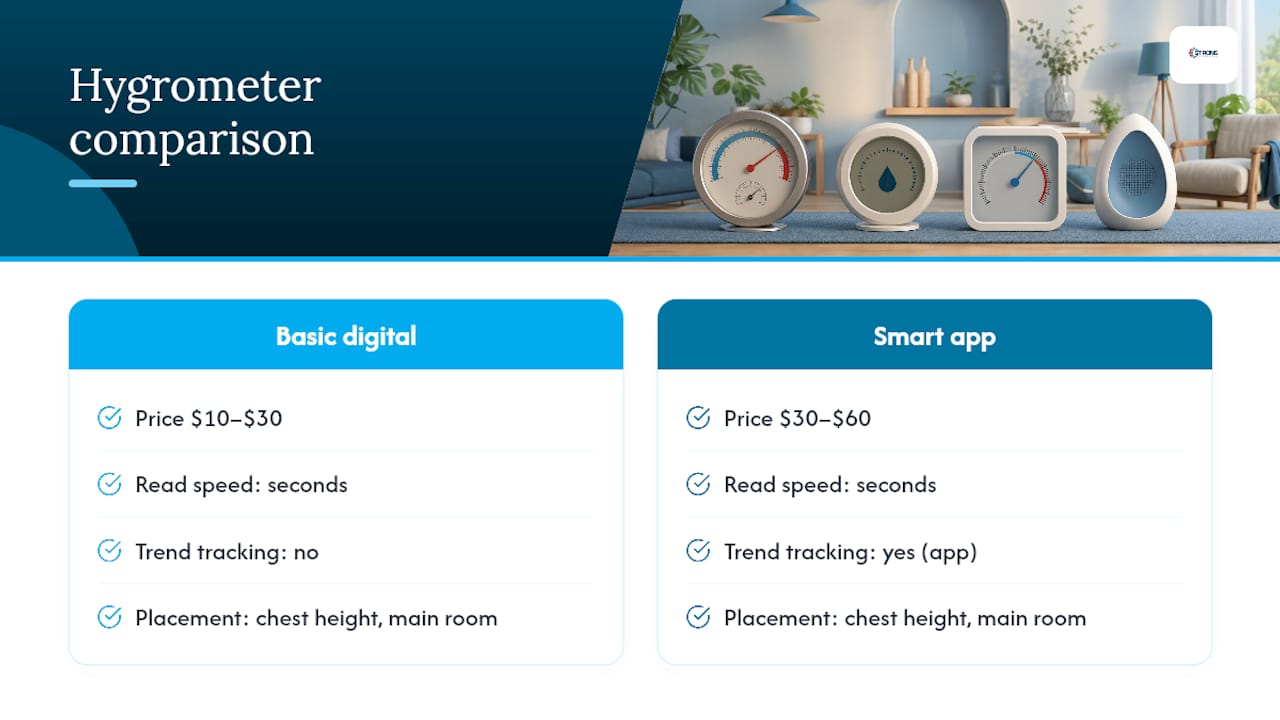
Placement matters. Put it away from direct sunlight, vents, and exterior doors, at roughly chest height, in a room you actually spend time in. One unit in your main living area gives you a baseline; adding a second in the basement or a bedroom catches the trouble spots single-point monitoring misses. Some smart thermostats now include built-in humidity sensors, which is a convenient way to track readings passively.
Pro Tip: Place a hygrometer on your nightstand for a week. Bedrooms often run drier or damper than the rest of the house, and that gap is frequently the reason for restless sleep nobody’s connected to humidity.
How Can You Safely Raise Indoor Humidity?
For quick, short-term relief, air-dry laundry indoors, set bowls of water near heat vents, or simmer water on the stove for a few minutes. These buy you time but won’t fix a chronically dry house.
For real, lasting results, you’re choosing between portable and whole-home humidifiers. Portable units are cheap and flexible but only treat one room and need frequent refilling and cleaning. A whole-home humidifier ties into your ductwork and keeps the entire house balanced automatically, with far less day-to-day maintenance.
- Short-term: air-dry laundry, simmer water, add house plants
- Portable: cool-mist, warm-mist, or ultrasonic units for single rooms
- Whole-home: ducted units integrated with your furnace or air handler
That’s the practical ceiling most guidance settles on balancing comfort against mold risk.
Pro Tip: Evaporative and steam humidifiers disperse fewer airborne minerals than ultrasonic models. If you do use an ultrasonic unit, run it with distilled water to cut down on the fine white mineral dust it can leave on furniture.
How Can You Lower High Indoor Humidity?
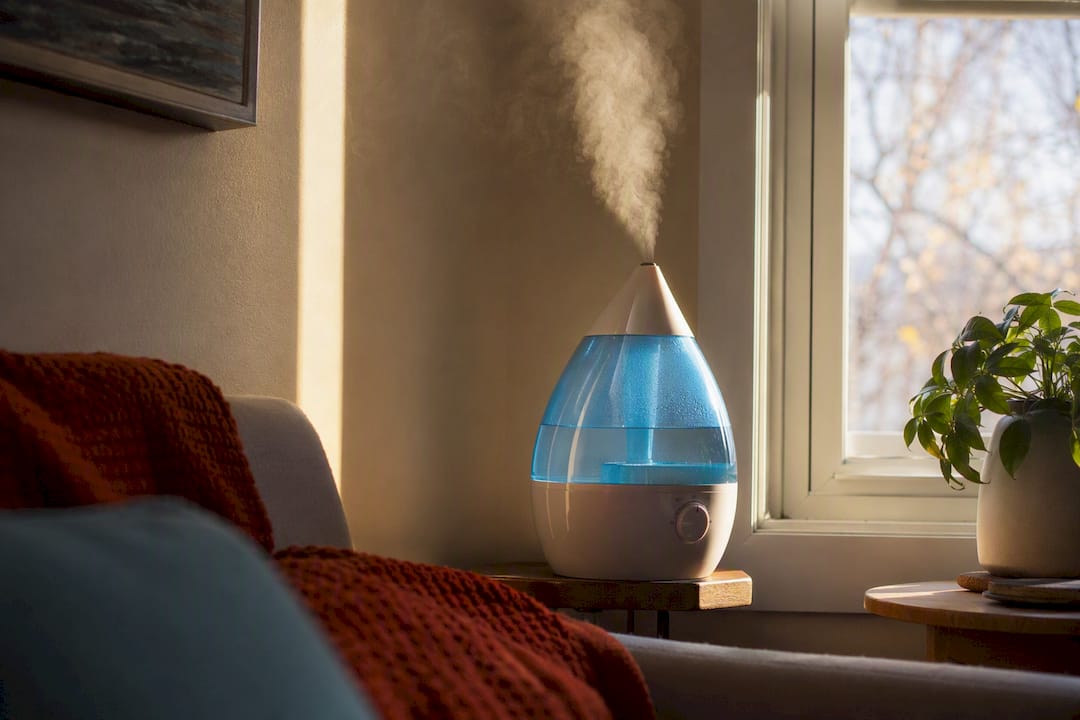
Start with what’s already installed. Run bathroom and kitchen exhaust fans during and after showers or cooking, and confirm your dryer vents outside rather than into an attic or crawl space. On dry days, cracking a window can help too.
If those steps aren’t enough, a portable dehumidifier handles a single problem room, while a whole-home dehumidifier tied into your cooling system manages the entire house. Make sure your air conditioner is sized correctly. An oversized unit cools too fast without running long enough to pull out humidity.
- Turn on exhaust fans in bathrooms and the kitchen every time you shower or cook
- Confirm your dryer vents outdoors, not into an attic or crawl space
- Fix any known leaks and insulate cold surfaces prone to condensation
- Add a dehumidifier to basements or crawl spaces that run consistently damp
- Have your AC checked if it runs constantly but humidity stays high
Simple fixes like venting dryers properly solve a surprising share of chronic humidity complaints.
Pro Tip: If a bathroom stays damp long after showers, check the door itself. A solid-core or louvered bathroom door that allows better airflow can help moisture escape faster than a standard hollow door.
How Should You Maintain Humidifiers and Dehumidifiers Safely?
Cool-mist and ultrasonic humidifiers need cleaning every two to three days to prevent bacterial and mold growth in the tank. Evaporative and steam units need less frequent attention but still require weekly cleaning during regular use, per EPA humidifier guidance.
Distilled or demineralized water matters most in ultrasonic and impeller units, since tap water minerals get aerosolized directly into your air. The NHLBI specifically cautions against humidifier use in homes with asthma or dust-mite sensitivities unless humidity is carefully kept under 50% and the device is well maintained.
- Clean humidifier tanks every 2 to 3 days
- Use distilled water in ultrasonic or impeller units
- Empty and dry dehumidifier reservoirs regularly to prevent mold in the tank
Warning: Skipping regular cleaning turns a humidity fix into a new air quality problem, since dirty reservoirs can spread mold spores and bacteria right back into the room.
When Should You Call an HVAC Professional?
DIY steps solve most day-to-day humidity swings. Call a professional when you’re seeing recurring condensation on windows no matter the season, mold that keeps coming back after cleaning, or humidity readings that won’t budge despite exhaust fans and portable units.
A whole-home humidifier or dehumidifier integrated with your HVAC system often makes more financial sense than running multiple portable units room by room, especially in a larger house or one with a chronically damp basement.
Pro Tip: Before your appointment, log hygrometer readings from two or three rooms over a week and note exactly where condensation or musty smells show up. That data helps a technician diagnose the cause faster instead of guessing.
Strong Heating And Cooling’s Perspective on Humidity Control
Our approach starts with diagnostics, not guesswork: check your actual numbers, then match the fix to the cause. If your home needs a real solution rather than another portable unit, we’re ready to help.
How Strong Heating And Cooling Keeps Your Home in the Right Range
Strong Heating And Cooling gives Colorado Springs homeowners a whole-home fix instead of a rotation of portable units that need daily refilling and constant cleaning. Our technicians diagnose whether your issue is a humidity problem, an airflow problem, or an undersized AC struggling to keep up, then recommend equipment sized for your actual house instead of a one-size-fits-all box store unit.

We install and service whole-home humidifiers for dry winter air, and pair dehumidification with properly functioning air conditioning for damp basements and sticky summer months. If your readings won’t stay in range no matter what you try, contact Strong Heating And Cooling for a diagnostic visit and get a system built around your home’s actual moisture patterns.
Sources
- Inside Story: A Guide to Indoor Air Quality | US EPA
- Section 3, Component 3: Control of environmental factors and comorbid conditions that affect asthma | NHLBI
These sources underpin every numeric range and maintenance recommendation in this guide.
This article is general information, not a substitute for advice from a qualified doctor. Consult a qualified healthcare professional about your own circumstances before acting on anything here.
FAQ
What is the ideal indoor humidity level for a home?
Most experts, including the EPA, recommend keeping indoor relative humidity between 30% and 50% year-round for comfort and to limit mold and dust-mite growth.
What is the best indoor humidity level in winter?
Is 60% humidity too high indoors?
Yes. Sustained relative humidity above 60% significantly raises the risk of mold growth and dust-mite proliferation, according to EPA mold guidance.
How do I know if my indoor humidity is too low?
Watch for dry skin, static shocks, nosebleeds, cracked wood trim, and a scratchy throat that’s worse in the morning.
Do I need a whole-home humidifier or dehumidifier?
If portable units and simple fixes like exhaust fans aren’t keeping your readings steady, a whole-home system tied into your HVAC, like those installed by Strong Heating And Cooling, treats the entire house automatically and needs less day-to-day maintenance.
Recommended
Need expert HVAC help?
Colorado Springs' trusted, veteran-owned heating & cooling team — same-day service.