
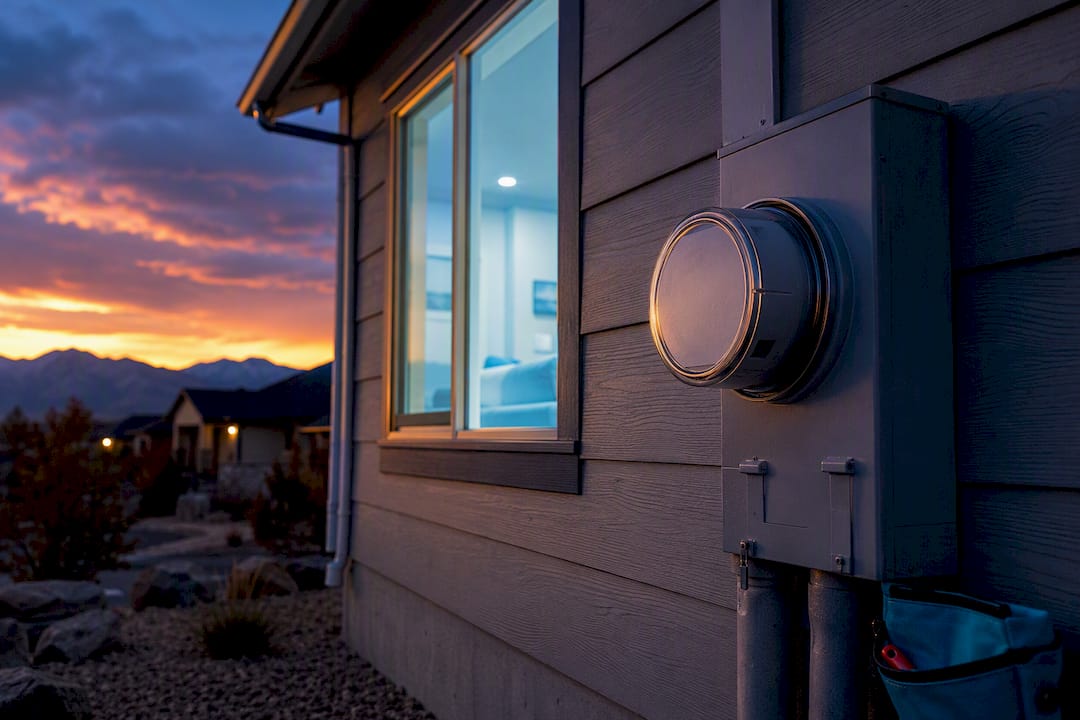
Avoid Paying Hundreds: U.S. AC Running Cost, Real Bills and Fixes
Most central air conditioners cost somewhere in the range of several tens to a few hundred dollars per month to run during peak summer use, depending on usage patterns and local electricity rates. Window units run noticeably cheaper per hour than central ACs. The two things that move those numbers the most are your electricity rate and your duty cycle, which is how much of the time your compressor is actually working rather than idling. Once you know those two inputs, the math below tells you exactly where you stand.
TL;DR:
- Most homes can reduce AC running costs by improving behavior, such as raising thermostats and using fans before considering equipment upgrades.
- A technician diagnosis can identify hidden faults like refrigerant leaks or duct leaks that may be increasing energy use beyond rated efficiency.
- External factors like high local electricity rates, oversized or undersized equipment, and poor insulation can significantly boost seasonal AC costs.
- Older systems with degraded efficiency can see a 20% or more increase in running cost compared to new, high-SEER2 units.
- Climate and altitude influence runtime and seasonal costs, so local conditions should guide estimates rather than national averages.
Table of Contents
- How Do You Calculate AC Running Cost?
- What Does AC Cost to Run by Unit Type and Size?
- What Actually Drives Your AC’s Running Cost?
- How Can You Lower Your AC Running Cost?
- When Should You Call a Technician About High AC Costs?
- Does Climate Change How Much Your AC Costs to Run?
- Is Electric AC Cheaper Than Gas Cooling?
- How Does AC Age Affect Running Cost Over Time?
- Do House Size and Habits Change What You Pay?
- Owner’s Perspective: Balancing Comfort and Cost
- Get a Real Diagnosis Instead of Guessing at Your Bill
- Sources
- FAQ
How Do You Calculate AC Running Cost?
The formula behind every running-cost estimate is simpler than it looks:
(Watts ÷ 1,000) × duty cycle × hours × your $/kWh rate = cost
Here’s how to find each piece.
- Find the wattage. Check the nameplate on your unit or, if you only have the BTU rating, divide BTU by the EER (Energy Efficiency Ratio) to get watts. A 12,000 BTU unit with an EER of 11 draws roughly 1,090 watts. SEER ratings measure seasonal efficiency rather than a single moment, so for a rough watt estimate, SEER numbers run a bit higher than EER for the same unit; treat SEER2 (the updated 2023 testing standard) the same way for ballpark math.
- Estimate your duty cycle. This is the percentage of time the compressor actually runs versus cycling off. In moderate weather with a correctly sized system, duty cycle typically sits in a moderate range under typical conditions. During a heat wave, or if your unit is undersized, it can climb close to 100%.
- Plug in your hours and rate. Pull your actual rate from a recent utility bill. National guides often use $0.17 per kilowatt-hour as a working example, but your real rate could run higher or lower depending on your utility and season.
Worked example: a 12,000 BTU, EER 11 window unit running 8 hours a day at a 70% duty cycle, at $0.17/kWh:
1.09 kW × 0.70 × 8 hours × $0.17 = about $1.04 per day, or roughly $31 a month.
A 3-ton central system rated SEER16 running the same hours and moderate duty cycle costs several tens of dollars more per month under similar assumptions.
What Does AC Cost to Run by Unit Type and Size?
Actual dollar amounts vary by unit size, efficiency, and how many hours a day the system runs, but the ranges below give you a realistic starting point using a moderate rate ($0.13/kWh) and a higher rate ($0.20/kWh), both at a 60% duty cycle and 8 hours of daily runtime.
These figures assume normal cycling, not a heat-wave grind where the compressor barely shuts off. Some states carry electricity rates well above $0.20/kWh, and time-of-use plans can spike your per-kWh cost during late-afternoon peak hours precisely when your AC works hardest. If your utility bills by time of use, running the system hard between 4 p.m. and 7 p.m. can cost noticeably more than the same runtime at midnight.
What Actually Drives Your AC’s Running Cost?
Four variables explain almost every dollar swing on your summer electric bill.
- Electricity rate structure. Flat-rate plans are simple to calculate; tiered plans charge more per kWh once you cross a usage threshold; time-of-use plans charge more during peak afternoon hours. Check your bill’s rate schedule before you plug numbers into any calculator.
- Duty cycle and behavior. Setpoint, fan use, and how many hours the system runs each day matter more than almost anything else. Each degree you raise the thermostat cuts cooling load, and stacked across a summer, small setpoint shifts commonly change total cost by roughly 5% to 8% per degree.
- Equipment efficiency. EER, SEER, and SEER2 ratings, plus whether the compressor is single-stage, two-stage, or variable-speed (inverter), all affect how many watts it takes to produce the same cooling.
- Sizing and installation quality. This is the one most homeowners never think to check.
Installation faults quietly inflate bills more than people realize; using an osłona na klimatyzator can help protect the outdoor unit and maintain its efficiency. NIST simulations found that refrigerant undercharge of 10% to 30% raises seasonal energy use by 3% to 16%, duct leakage adds roughly 8% for every 10% increment of leaked air, and severe oversizing paired with undersized ductwork can push seasonal energy use up by around 30%. These faults often stack, so a system with both a refrigerant issue and leaky ducts can run dramatically higher than its rated efficiency would suggest.
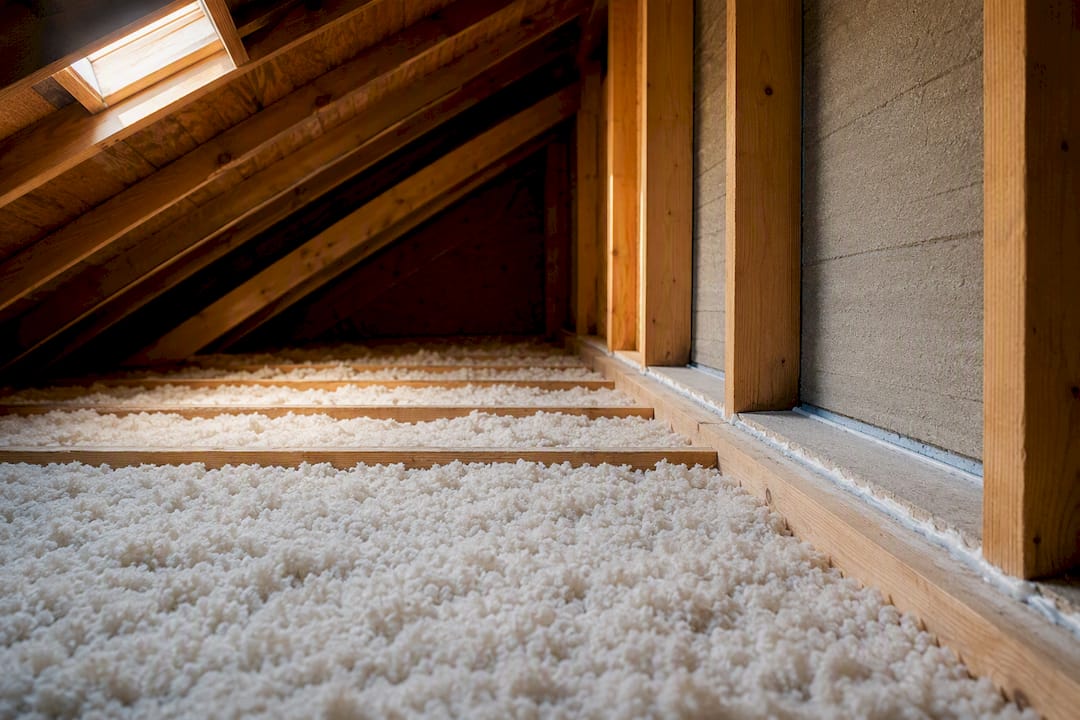
Your home’s envelope matters too. Component-level building simulations show that air leakage and insulation quality are major contributors to cooling load, meaning a drafty house forces the AC to work harder no matter how efficient the equipment is.
How Can You Lower Your AC Running Cost?
Cost cutting works best in order: fix behavior first, maintain the system second, then consider equipment investment.
- Adjust your setpoint and use fans. Raising the thermostat by even 2 to 3 degrees, especially when you’re away, and running ceiling or floor fans to feel cooler at a higher setpoint, costs nothing and produces immediate savings.
- Close the gaps. Shading south and west windows and sealing obvious air leaks reduces the load the AC has to fight in the first place; small steps outlined in our guide to cutting cooling costs add up over a season.
- Keep up with maintenance. Dirty filters, dirty coils, and low refrigerant charge all force longer runtimes for the same cooling result. Planned maintenance catches these before they show up as an inflated bill.
- Consider upgrades if the math supports it. A smart thermostat, a higher-SEER2 replacement, or a ductless mini-split for problem rooms all carry real installation costs, so run the calculator formula above using your projected new duty cycle before committing.
Pro Tip: Before spending on new equipment, use the same watts × duty cycle × hours × rate formula with your current system’s actual runtime logged over a week. If the number matches your bill, the system is working as expected and the fix is behavioral, not mechanical.
When Should You Call a Technician About High AC Costs?
A sudden bill spike, a system that runs 18 to 20 hours a day without shutting off, weak dehumidification, or a compressor that short-cycles are all signals worth a diagnostic visit rather than guesswork. Technicians typically check refrigerant charge, measure duct leakage, verify airflow across the coil, and calibrate the thermostat. Fixing a single undercharge or duct leak issue can plausibly shave a meaningful percentage off seasonal energy use, though the exact savings depend on how many faults are present and should be confirmed by an inspection rather than assumed.
Does Climate Change How Much Your AC Costs to Run?
Local climate sets the baseline your equipment has to fight against every single day. A home in Phoenix or Houston runs the compressor for far more hours per season than a home in Denver or Seattle, simply because outdoor temperatures stay high longer and humidity adds extra load in the Gulf states. Colorado Springs sits in a milder middle ground: summer days can get hot, but nights cool off quickly at altitude, which lets a correctly sized system rest more than it would in a humid climate.
Seasonal variation matters just as much as regional climate. Shoulder-season months, spring and early fall, often see costs drop by half or more simply because the compressor cycles less often and for shorter stretches.
Altitude adds a wrinkle many homeowners overlook. Thinner air affects airflow and heat exchange efficiency, which is one reason a system properly sized and charged for sea level can underperform at elevation. This is also why AC running cost estimates built for a national average don’t always translate cleanly to a Colorado Springs summer. The same unit, same thermostat setting, same square footage can post different runtime numbers depending on where it sits, which is exactly why using your own utility rate and observed runtime, rather than a generic national figure, gives you the most honest cost of cooling for your address.
Is Electric AC Cheaper Than Gas Cooling?
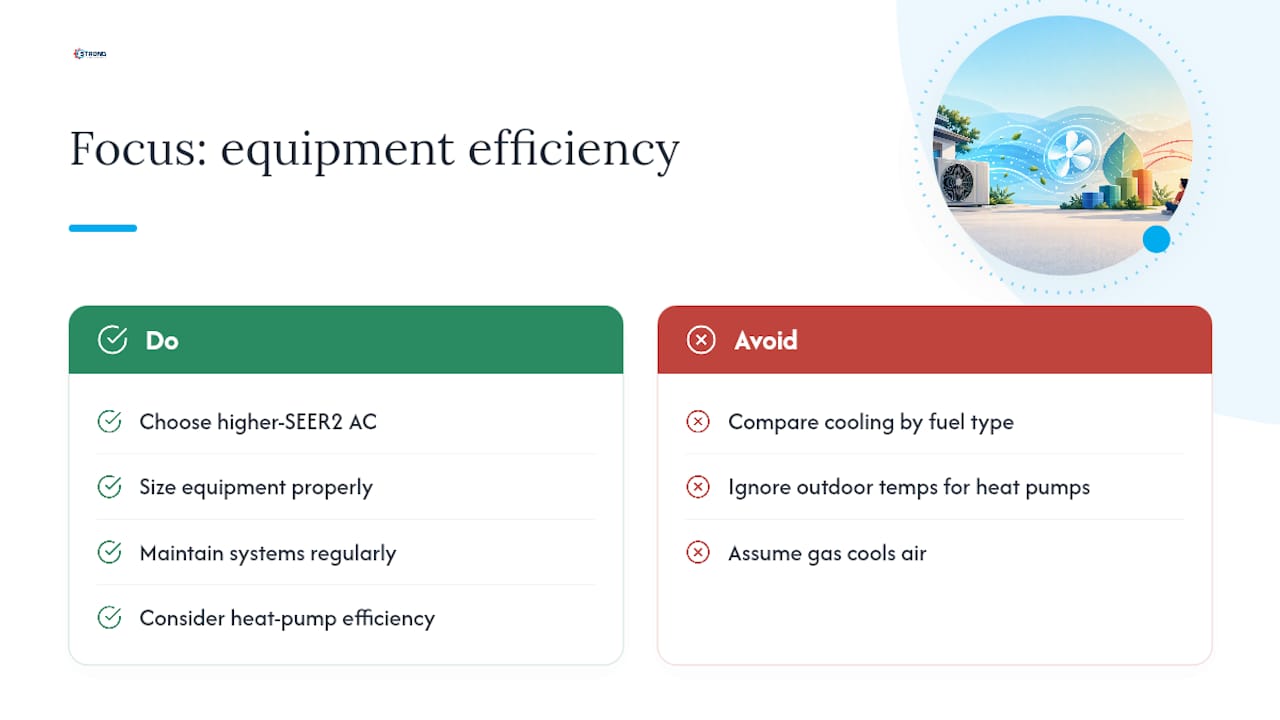
Electricity is essentially the only practical energy source for home cooling. Gas can heat a furnace or boiler efficiently, but it does not cool air on its own, so the comparison homeowners actually face is electric AC operating cost versus gas heating cost, not a head-to-head on cooling.
Where the electricity-versus-gas comparison does matter is on the heating side of your energy bill, and it affects how you think about total home energy consumption AC and heating combined. A heat pump, which some households now install in place of a separate furnace and AC, uses electricity for both heating and cooling and can be more efficient than resistance electric heat, though its winter running cost depends heavily on outdoor temperature and the unit’s SEER2 and HSPF2 ratings. A gas furnace paired with a separate central AC keeps heating costs lower in cold climates while cooling costs stay purely electric.
The practical takeaway: your AC running cost is always an electricity cost, full stop. The energy-source comparison that actually saves money is choosing efficient equipment, whether that’s a higher-SEER2 AC, a properly sized heat pump, or a well-maintained gas furnace, over the specific fuel type debate. If you’re weighing a system replacement, SEER2 and HSPF2 ratings are the numbers that determine your real seasonal cost, not whether the label says gas or electric.
How Does AC Age Affect Running Cost Over Time?
Most central air conditioners last 15 to 20 years with regular maintenance, but running cost rarely stays flat over that lifespan. Efficiency degrades gradually as refrigerant charge drifts, coils accumulate dust, and mechanical wear increases friction in the compressor and blower motor. A 12-year-old unit working exactly as it did on day one is the exception, not the rule.
This is where depreciation intersects with your monthly bill in a way most cost calculators ignore. A system’s SEER rating is a lab number measured on new equipment; a 14-year-old SEER14 unit with a mildly leaky duct system and a slightly undercharged refrigerant line can easily run closer to the seasonal energy draw of a SEER10 or SEER11 unit. That gap is invisible until you compare your actual utility bill to the unit’s rated performance.
The financial question worth asking isn’t just “how old is my AC” but “how much extra am I paying every summer for an aging system versus a replacement.” A 15 SEER2 or higher replacement can meaningfully cut summer running cost compared to a decade-old unit, and that gap compounds every season you keep the older equipment running. Strongheatingandcooling’s AC pricing guide breaks down replacement costs by SEER2 tier, which makes it easier to weigh upfront cost against the running-cost savings over the system’s remaining useful life.
Do House Size and Habits Change What You Pay?
Square footage sets your baseline cooling load, but it’s not the only variable. A 2,500 square foot home with high ceilings, large west-facing windows, and poor attic insulation can cost more to cool than a 3,000 square foot home with a tight envelope and good shading. Volume of air that needs cooling matters, but so does how easily that cool air escapes.
Occupant behavior often swings the bill just as much as square footage. A household that keeps the thermostat at 68 degrees around the clock, leaves doors open to the outside, or runs the oven during peak afternoon heat is adding load the AC has to compensate for. Multiple occupants generate body heat and humidity from cooking and showers, both of which nudge the system toward a longer duty cycle.
The people-behavior factor is also the cheapest one to fix. Adjusting when you run heat-generating appliances, closing blinds during peak sun hours, and setting a consistent thermostat schedule rather than manually adjusting throughout the day all reduce running cost without touching the equipment itself. If you’ve compared your bill to a neighbor’s similarly sized home and come up noticeably higher, envelope and habits, not just square footage, are usually where the gap lies.
Owner’s Perspective: Balancing Comfort and Cost
Coloradans don’t need to choose between a comfortable home and a manageable bill. In our experience, most high running-cost complaints trace back to a handful of fixable issues: an untouched filter, a slightly off thermostat setting, or a refrigerant charge that drifted years ago. Small corrections produce measurable results almost immediately. If your numbers still look out of range after adjusting the basics, that’s the point to get a technician’s eyes on the system rather than keep guessing.
— Owner
Get a Real Diagnosis Instead of Guessing at Your Bill
A company can provide a straight answer instead of a spreadsheet estimate. Where national calculators can only give you a range, a technician on-site measures your actual refrigerant charge, airflow, and duct leakage, then tells you exactly which fault is driving your bill up and what fixing it will cost. That’s the difference between guessing your duty cycle and knowing it.

A diagnostic visit typically covers a refrigerant charge check, airflow measurement across the coil, duct inspection for leakage, and thermostat calibration, with a written summary of what’s driving your energy use and what it would take to fix it. If the fixes are minor, you’ll know the real cost upfront. If your system is old enough that repair no longer makes financial sense against a replacement, our AC pricing page lays out flat-rate options from a 14 SEER2 single-stage unit up through variable-capacity systems, so you can compare against your current running cost before deciding.
Before a visit, jot down when the bill spiked, roughly how many hours a day the system runs, and any rooms that feel warmer than others. That gives the technician a head start. Ready to find out what’s actually driving your bill? Schedule a visit through our cooling services page and get answers instead of estimates.
FAQ
How much does it cost to run AC for 24 hours?
For a central 2 to 3 ton system running continuously at a high duty cycle, 24 hours can cost roughly $5 to $15 depending on your electricity rate and unit efficiency. A window unit running the same 24 hours typically costs $1 to $4, using the watts times duty cycle times hours formula described above.
What is the $5,000 rule for AC?
There’s no official “$5,000 rule” from a government or industry body; it’s informal shorthand some contractors use to decide between repair and replacement, multiplying the age of the unit by the repair cost estimate and comparing that to a rough $5,000 threshold. Because it isn’t a standardized formula, it’s better used as a rough conversation starter than a firm cutoff, and a technician’s actual inspection of the system’s condition matters more.
Is it normal for AC to run 20 hours a day?
Running 20 hours a day is normal only during extreme heat waves on a correctly sized system; outside of that, it usually signals an undersized unit, low refrigerant charge, duct leakage, or a thermostat set too low for the home’s cooling capacity. NIST simulations show these faults can raise energy use significantly, so a system running that long consistently is worth a diagnostic check.
How much does it cost if an AC is on for 12 hours daily?
At a moderate duty cycle and rate, a central AC running 12 hours a day typically costs $2 to $6 per day, or roughly $60 to $180 over a month of similar use. A window or mini-split unit running the same 12 hours usually lands closer to $0.75 to $2.50 per day, based on the wattage and duty cycle formula covered earlier.
Does Strongheatingandcooling offer AC maintenance to lower running costs?
Yes, Strongheatingandcooling provides AC maintenance and repair services designed to catch the refrigerant, airflow, and duct issues that inflate running cost. Current pricing and scheduling are available through the cooling services page.
Recommended
Need expert HVAC help?
Colorado Springs' trusted, veteran-owned heating & cooling team — emergency service.