

TL;DR:
- Early warning signs of HVAC failure, such as odors, strange noises, or loss of heating and cooling, can prevent costly repairs and safety hazards. Recognizing overlapping symptoms signals urgent need for professional intervention, especially when safety risks like burning smells or ice buildup occur. Prompt homeowner action, including calling skilled technicians early, helps preserve system functionality, safety, and budget.
Your HVAC system rarely fails without warning. Most homeowners who face a complete breakdown can look back and identify the signs hvac needs emergency repair that appeared days or even weeks before the system quit entirely. Recognizing those early indicators, what HVAC technicians call acute system failure symptoms, can be the difference between a straightforward repair call and a full system replacement. More critically, some of these symptoms involve real safety hazards. This article walks you through the specific warning signs that demand urgent attention, and how to tell them apart from problems that can wait until next week.
Table of Contents
- Key Takeaways
- 1. Signs your HVAC needs emergency repair: sudden loss of heating or cooling
- 2. Dangerous or unusual odors indicating overheating or leaks
- 3. Unusual noises signaling mechanical issues that can escalate quickly
- 4. Performance issues like constant running, weak airflow, or ice buildup
- 5. When multiple signs overlap: understanding urgent vs. non-urgent repair scenarios
- My take on what homeowners consistently get wrong about HVAC emergencies
- Strong Heating & Cooling is ready when your system needs urgent attention
- FAQ
Key Takeaways
| Point | Details |
|---|---|
| Sudden loss of output is urgent | No cool air or heat from your system almost always signals a serious mechanical or electrical failure. |
| Odors can mean safety hazards | Burning or chemical smells require an immediate shutdown and a call for professional service. |
| Sounds tell you where wear is happening | Grinding, banging, or squealing noises point to specific failing components that worsen fast without repair. |
| Multiple overlapping symptoms escalate urgency | When two or more warning signs appear together, the system is under serious strain and needs same-day attention. |
| Early action saves money and prevents danger | Catching HVAC system failure symptoms before a full breakdown protects your home, family, and budget. |
1. Signs your HVAC needs emergency repair: sudden loss of heating or cooling
The most straightforward of all emergency HVAC repair signs is when your system simply stops conditioning the air. You set the thermostat to cool, the unit runs, but no cooling at all comes through the vents. Or the furnace runs through its cycle, and the house stays cold. These are not ambiguous symptoms. They point to fundamental problems that will not resolve themselves.
The most common causes behind complete output loss include compressor failure in cooling systems, heat exchanger cracks in furnaces, refrigerant leaks, and electrical faults at the control board or capacitor. Each of these requires professional diagnosis. None of them are safe or practical to operate through. When warm air comes from your AC when cooling is called for, that specifically suggests compressor or refrigerant issues. Running the system further in that state risks permanent compressor damage, which is one of the most expensive components to replace.
Before you call a technician, run through these quick checks:
- Confirm the thermostat is set correctly and the batteries are fresh
- Check that the circuit breaker for the air handler or furnace has not tripped
- Inspect the air filter to see if extreme restriction could be starving airflow
- Make sure all supply and return vents in the home are open and unblocked
If all of those check out and your system is still not producing conditioned air, treat it as an urgent situation. The longer a failing compressor or cracked heat exchanger runs, the worse the damage gets.
Pro Tip: If your system is blowing warm air and you have already checked the basics, turn the system off entirely at the thermostat rather than leaving it running while you wait for a technician. Continued operation under fault conditions adds mechanical stress and can turn a repair into a full replacement.
2. Dangerous or unusual odors indicating overheating or leaks
Smell is one of the fastest signals your body has, and your HVAC system knows how to use it. Prompt recognition of specific odors is one of the most reliable ways to prevent a repair situation from becoming a safety emergency. There are three distinct odor categories to know.
The first is a burning or electrical smell. This happens when wiring insulation overheats, a motor is failing, or electrical arcing is occurring inside the unit. Electrical burning smells suggest overheating wiring and carry genuine fire risk. If you smell burning plastic or a sharp electrical odor coming from any part of your system, shut it down immediately at the thermostat and the breaker.
The second category is chemical or refrigerant odors. Refrigerant has a faintly sweet or ether-like smell. Exposure at higher concentrations can cause dizziness or respiratory irritation. A chemical smell is a strong indicator of a refrigerant leak, which also means your system cannot function properly and is venting a regulated substance into your home’s air.
The third is a musty or damp odor, which is a different kind of problem. Musty smells often indicate moisture or microbial presence inside the system, typically on the evaporator coil or inside the ductwork. This is not usually a same-day emergency in the way a burning smell is, but it is a warning sign that should not be ignored for weeks. Left untreated, it leads to indoor air quality issues and coil damage.
Here is what to do based on the odor type:
- Burning or electrical smell: shut the system off immediately, do not restart it, and call for emergency service
- Chemical or refrigerant smell: ventilate the area, avoid prolonged exposure, and contact an HVAC technician the same day
- Musty or damp smell: do not ignore it, schedule an inspection within a few days to check the coil and drain pan
3. Unusual noises signaling mechanical issues that can escalate quickly
A properly functioning HVAC system produces consistent, low-level sound. You know what yours sounds like. When that sound changes, something has changed mechanically. Distinct HVAC sounds beyond normal operation signal developing problems that tend to worsen the longer the system runs.
The sounds that deserve the most immediate attention include:
- Grinding: Usually points to motor bearings wearing out. When bearings fail completely, the motor seizes, and what was a repair becomes a full motor replacement.
- Banging or clanking: A loud bang on startup often means a loose or broken component inside the blower assembly or heat exchanger. This is a stop-and-call situation.
- Squealing or high-pitched shrieking: Common with belt-driven blowers when the belt is slipping or worn. Some systems also squeal when bearings are dry.
- Rattling: Can be as simple as a loose panel screw, but persistent rattling from inside the unit often means debris in the blower wheel or a component coming loose.
The risk of running through these sounds is not just damage. A metal-on-metal grinding that becomes a full seizure can also trigger electrical faults. Signs of electrical fire risk include burning smells, loud metal-on-metal sounds, and sparks. When you are hearing grinding and then also begin to notice a burning odor, that is a combination requiring immediate shutdown.
Pro Tip: When you hear an unfamiliar noise from your system, try to note exactly when it happens. Is it at startup, during operation, or at shutdown? Does it happen with heating or cooling, or both? That timing information helps a technician locate the problem faster and often reduces diagnostic time.
4. Performance issues like constant running, weak airflow, or ice buildup
These are the warning signs of HVAC failure that homeowners most often dismiss as minor quirks. They tend to develop gradually, which makes them easier to rationalize. But each of them indicates real system strain that tends to escalate into urgent repairs without attention.
Constant running
When your system runs without reaching the set temperature, it means the system cannot keep up with the load. That can happen because of refrigerant loss, a failing compressor, thermostat calibration problems, or severe duct leakage. Reduced airflow from supply vents paired with constant operation is a particularly telling combination. The system is working hard and not accomplishing the task. That sustained effort accelerates wear across every component.
Weak or uneven airflow
If some rooms in your home are noticeably warmer or cooler than others, or if you hold your hand near a supply vent and feel very little air movement, the problem could be in the blower motor, the ductwork, or a severely clogged filter. Weak airflow also puts the entire system at risk by preventing the heat exchanger or evaporator coil from maintaining the proper temperature range.
Ice buildup on the unit
Ice forming on evaporator coils or refrigerant lines indicates severe underlying issues needing fast attention, typically a refrigerant leak or airflow restriction so severe that the coil temperature drops below freezing. When you see ice on your indoor unit or on the refrigerant lines outside, turn the system off and let it thaw before running it again. Running an iced-over system can damage the compressor.
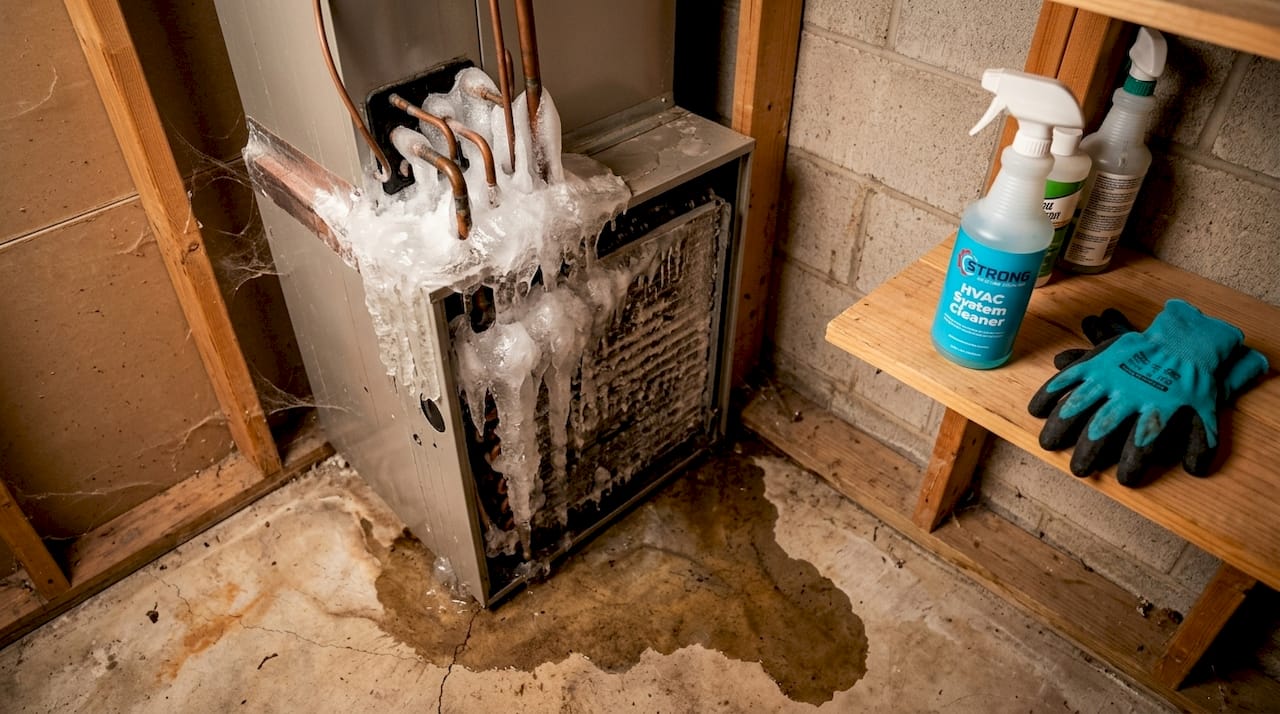
Here is a quick comparison to help you judge severity:
| Symptom | Likely cause | Urgency level |
|---|---|---|
| System runs but never reaches set temp | Refrigerant loss, compressor wear | High. Call same day |
| Weak airflow from all vents | Dirty filter, blower issue, duct leak | Medium. Check filter first |
| Ice visible on indoor or outdoor unit | Refrigerant leak, severe airflow block | High. Shut off and call |
| One room much hotter or colder | Duct issue, zone control fault | Low to medium. Schedule inspection |
Pro Tip: A sudden spike in your electricity bill without any change in weather is one of the earliest energy and comfort symptoms that your HVAC system is deteriorating. If your utility bills have increased more than 20% month over month with no obvious explanation, treat it as a system performance warning even if comfort seems acceptable so far.
5. When multiple signs overlap: understanding urgent vs. non-urgent repair scenarios
A single minor symptom might have a simple explanation. A dirty filter causes weak airflow. A worn belt causes squealing. But when two or more of these symptoms appear at the same time, the picture changes. Repeated service calls and persistent comfort issues are red flags for imminent HVAC breakdown. Overlapping symptoms usually mean the system is under compounding strain, not just experiencing one isolated fault.
Consider this scenario: your system is running constantly, the airflow from the vents is noticeably weaker than usual, and you have noticed a faint musty smell over the past week. Individually, any one of those might be a manageable issue. Together, they suggest a system that is losing efficiency, potentially dealing with a blocked or leaking coil, and producing conditions for microbial growth. That combination warrants same-day contact with an HVAC technician.
| Scenario | Symptoms present | Recommended action |
|---|---|---|
| Likely emergency | Burning smell, no cool air, grinding noise | Shut system off immediately, call for emergency service |
| Urgent but not immediate shutdown | Constant running, weak airflow, rising bills | Call today and schedule priority service |
| Schedule within a few days | Musty odor, mild uneven heating or cooling | Book an inspection before it worsens |
| Routine maintenance | Rattling panel, slightly reduced airflow | Check filter, schedule regular service visit |
When you do call an HVAC technician, be specific about what you are experiencing. Tell them how long the symptom has been present, whether it is constant or intermittent, and whether you have noticed any other changes at the same time. That information helps the technician prioritize your call correctly and arrive with the right tools and parts.
My take on what homeowners consistently get wrong about HVAC emergencies
I have worked in this industry for years, and the pattern I see most often is not that homeowners do not notice the signs hvac system failing. They notice them. They just talk themselves out of acting on them.
The reasoning I hear most is some version of “it’s still working, just not as well as it used to.” That logic makes sense for minor comfort complaints. It does not hold up when the system is making grinding noises or producing a burning smell. Those symptoms represent active mechanical or electrical deterioration. Every hour the system runs in that state, the repair cost tends to go up.
What I have learned from experience is that the homeowners who call us early, when the symptom is still intermittent, almost always face smaller repairs and lower bills than the ones who wait until the system stops completely. The ones who wait often face not just emergency service fees but also the cost of secondary damage, such as a seized motor causing a control board fault, or an iced-over coil damaging the compressor.
My honest advice: if your system is doing something it did not do six months ago, that is worth a phone call. Not necessarily an emergency call, but a conversation with a technician who can help you determine how urgent the situation actually is. Regular preventive HVAC maintenance catches most of these issues before they become costly. The homeowners who skip annual tune-ups are the ones who tend to need emergency service when they least expect it.
— Owner
Strong Heating & Cooling is ready when your system needs urgent attention

If you are noticing any of the warning signs described in this article, Strong Heating & Cooling is here to help. Our team serves Colorado Springs and surrounding communities with emergency HVAC repair services backed by over 40 years of combined industry experience. We understand that a system failure never happens at a convenient time, which is why we focus on responsive service and honest assessments.
We also know that unexpected repairs create financial stress. That is why we offer flexible financing options to help you get the service your home needs without putting your budget in a difficult position. You can also check our current service coupons and deals before you call. When you contact Strong Heating & Cooling, you get straightforward communication, accurate diagnosis, and a team that treats your home with the same care they would give their own.
FAQ
What counts as a true HVAC emergency?
A true HVAC emergency involves any symptom that poses a safety risk or prevents the system from functioning entirely, including burning smells, complete loss of heating or cooling, electrical noises, or visible ice or smoke. These situations call for same-day service.
Can I run my AC if it is blowing warm air?
Continuing to run an air conditioner that is producing warm air risks compressor damage, which is one of the costliest repairs possible. Shut the system off and call a technician the same day.
What causes ice to form on an HVAC unit?
Ice on the evaporator coil or refrigerant lines typically results from a refrigerant leak or severely restricted airflow. Turn the system off to allow the ice to thaw, and contact an HVAC professional before restarting it.
Should I be concerned about a musty smell from my vents?
A musty smell usually points to moisture buildup or microbial growth on the evaporator coil or inside the ductwork. While it is not always an immediate safety emergency, it should be inspected within a few days to protect indoor air quality.
When do overlapping HVAC symptoms mean I need emergency service?
When two or more symptoms appear together, especially a combination like no output, unusual noise, and a burning smell, that pattern points to system-wide strain or failure. Contact an HVAC technician the same day rather than waiting to see if conditions improve.


