When your AC seems to run all afternoon and the house still feels warmer than it should, the problem usually is not just the outdoor temperature. If you want to know how to reduce cooling costs, the real answer is to look at the whole system – your equipment, your home, and the way the space is being used.
In Colorado, cooling costs can climb fast during hot, dry stretches, especially in homes and buildings that lose cool air as quickly as the system produces it. The good news is that lower bills usually come from practical changes, not guesswork. Some are quick fixes. Others require an upgrade. The key is knowing which ones actually make a difference.
How to Reduce Cooling Costs Without Losing Comfort
A lot of people assume saving money means setting the thermostat high and putting up with a warmer house. That can help, but it is only one piece of the puzzle. In many cases, a home with an efficient AC, decent airflow, and good insulation can stay comfortable at a reasonable cost. A home with hidden efficiency problems will spend more even with careful thermostat settings.
The best approach is to reduce the amount of heat entering the building, help the cooling system move air properly, and make sure the equipment is not working harder than necessary. When those three pieces are in place, cooling bills usually become much more manageable.
Start With the Thermostat Settings
Your thermostat controls more than comfort. It controls run time, and run time affects your monthly bill. For many households, raising the temperature a few degrees when the house is empty can make a noticeable difference over the course of a season.
That said, there is a balance. If you set the temperature too high for too long, the system may have to work hard to recover later, especially in the late afternoon. A programmable or smart thermostat helps because it can make smaller, timed adjustments instead of relying on someone to remember to change settings manually.
For homes with older equipment, gradual setbacks often work better than dramatic swings. For commercial spaces, scheduling is even more important. Cooling unused offices, retail areas, or back rooms all day can drive up costs without adding value.
Replace Dirty Air Filters on Time
This is one of the simplest ways to reduce cooling costs, and it gets overlooked all the time. A clogged air filter restricts airflow, which can force the system to run longer and strain key components.
A clean filter helps your AC breathe the way it was designed to. That can improve efficiency, support better indoor comfort, and reduce wear on the blower and other parts. How often it needs changing depends on the filter type, pets, occupancy, and dust levels, but checking it monthly during cooling season is a good habit.
If the filter looks packed with debris, changing it is not just maintenance. It is a direct step toward lower operating cost.
Seal Air Leaks Before Blaming the AC
Many cooling problems start with the building envelope, not the equipment. If cool air is slipping out through gaps around doors, windows, attic penetrations, or duct joints, your system has to keep replacing that loss.
Air leaks can be frustrating because they are not always obvious. You may notice certain rooms stay hot, upper floors are harder to cool, or the AC runs often but never seems ahead of the heat. In those cases, sealing leaks and improving insulation can have just as much impact as HVAC work.
Attics are a major factor in summer heat gain. If attic insulation is thin or uneven, heat can push into living spaces all day. For commercial buildings, roof exposure and duct location matter too. A rooftop unit may be operating properly, but energy costs can still be high if the building itself is letting heat in everywhere.
Pay Attention to Ductwork
Leaky ducts waste conditioned air before it ever reaches the rooms you are trying to cool. In some homes, ducts running through attics, crawl spaces, or garages lose a surprising amount of air through poor connections or damaged sections.
This is one of those areas where the trade-off matters. Sealing and repairing ducts can improve efficiency, but if the duct design is undersized or poorly laid out, comfort problems may still remain. A professional evaluation can help determine whether the issue is leakage, layout, insulation, or a combination of all three.
Keep the System Maintained
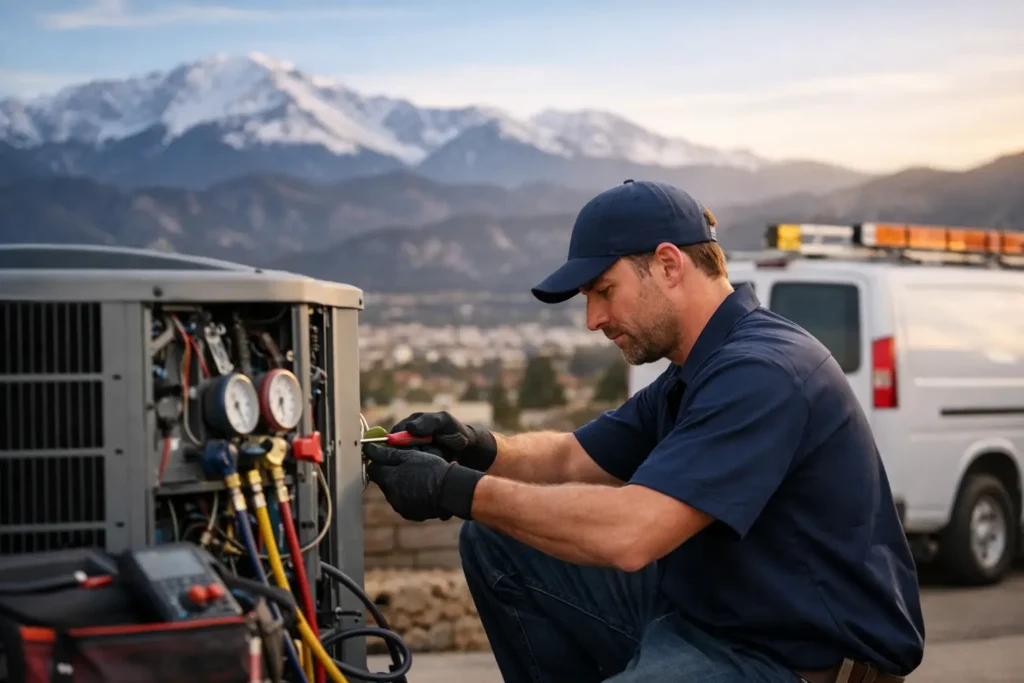
An AC unit that has not been cleaned or inspected can still run, but not efficiently. Dirt on the condenser coil, low refrigerant, electrical wear, and drainage issues can all reduce performance and increase energy use.
Routine maintenance helps catch those problems before they turn into expensive repairs or high utility bills. It also gives you a clearer picture of whether the system is in good shape or beginning to decline. For example, if a unit is clean, charged properly, and still struggles to cool the space, the issue may be age, sizing, or duct performance rather than a simple service need.
This matters for homeowners and commercial property managers alike. Deferred maintenance often looks like a cost savings in the short term, but it can lead to longer run times, more repairs, and a shorter equipment lifespan.
Know When Repairs Are No Longer Cost-Effective
Sometimes the most practical answer to how to reduce cooling costs is replacing equipment that is simply past its prime. Older air conditioners often use more energy and provide less consistent comfort than modern high-efficiency systems.
That does not mean every older unit should be replaced immediately. If the system is in solid condition and repair costs are minor, continued service may still make sense. But if you are dealing with repeated breakdowns, uneven cooling, or rising bills year after year, replacement can be the better long-term value.
The same idea applies to mini split systems, heat pumps, and commercial rooftop units. Efficiency gains vary by system type, installation quality, and building use, so the best option depends on the property.
Reduce Heat Gain Inside the Building
Cooling costs are not only about what happens outside. Appliances, lighting, cooking, and occupancy all add heat indoors. During the hottest part of the day, that extra heat can push the AC into longer cycles.
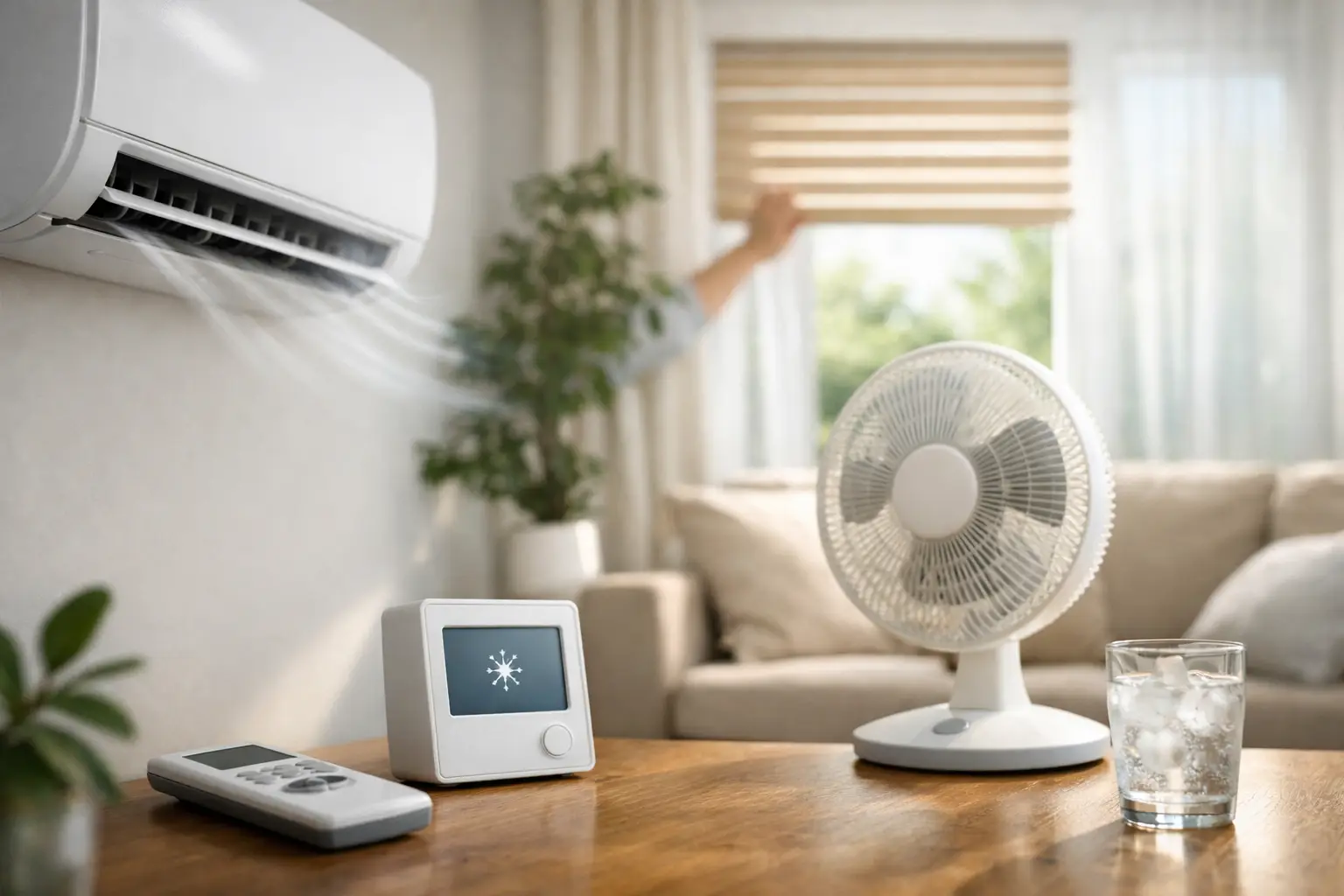
Simple changes help. Closing blinds on sun-facing windows cuts solar heat gain. Using exhaust fans when cooking or showering can remove heat and humidity at the source. Limiting oven use in the late afternoon can keep the kitchen from turning into a heat pocket the AC has to fight.
For businesses, internal heat gain can come from electronics, lighting, and equipment loads. In those settings, cooling strategy may need to account for how the space actually operates, not just the square footage.
Use Fans the Right Way
Ceiling fans and portable fans do not lower the room temperature, but they can make people feel cooler by improving air movement. That allows some households or businesses to set the thermostat a bit higher without sacrificing comfort.
Fans are most useful when rooms are occupied. Running them in empty rooms does not reduce the cooling load in a meaningful way. They should support the AC system, not replace proper maintenance or equipment performance.
Consider the Type of Cooling System You Have
Not every property is best served by the same equipment. Traditional central air works well for many homes, but some spaces benefit more from zoned solutions like mini splits. In homes with additions, converted garages, or rooms that are hard to cool, a ductless option can target the problem area without overcooling the rest of the house.
Evaporative coolers, often called swamp coolers, can also be cost-effective in the right conditions. In a dry climate, they may use less energy than refrigerated air. But they are not ideal for every building or every comfort preference, and performance can shift with weather conditions.
Heat pumps are another option worth considering, especially for owners thinking beyond just summer utility bills. Because they provide both heating and cooling, they can make sense for properties looking for year-round efficiency. The right answer depends on the building, the budget, and how the space is used.
When Professional Help Saves More Than DIY
There is value in handling simple tasks yourself, like changing filters or managing thermostat schedules. But if your bill keeps climbing, rooms stay uneven, or the system runs constantly, guessing can get expensive.
A trained HVAC technician can identify whether the issue is airflow, refrigerant, insulation, duct leakage, control settings, or equipment condition. That matters because the wrong fix wastes money. Replacing a thermostat will not solve a duct problem. Adding insulation will not correct a failing compressor.
For property owners in El Paso County, local experience matters too. Climate, altitude, home design, and equipment usage patterns all affect performance. A practical inspection can reveal where your money is actually going and what changes will give you the best return.
Strong Heating and Cooling works with homeowners and commercial clients facing exactly these issues – high cooling bills, inconsistent comfort, and systems that are no longer performing the way they should. The best solutions are usually straightforward once the real cause is identified.
Lower cooling costs rarely come from a single trick. They come from tightening up the building, keeping equipment in shape, and making sure your system matches the space it serves. When comfort and efficiency are working together, your monthly bill usually starts heading in the right direction.