If your furnace is aging, your summer cooling bills keep climbing, or you are trying to cut energy use without giving up comfort, one question comes up fast: are heat pumps worth it? For many homes, the answer is yes. But it is not a blanket yes for every house, every budget, or every comfort expectation.
A heat pump can heat and cool your home with one system. That alone makes it appealing. In a place like Colorado, where you may run air conditioning in the afternoon and want reliable heat at night, the idea makes sense. The real question is whether the savings, comfort, and efficiency justify the upfront cost for your specific property.
Are heat pumps worth it in Colorado?
In many cases, yes. Modern heat pumps are far more capable than older models, and they work well in a wide range of conditions. If you currently have an older air conditioner, electric resistance heat, or a system that struggles to keep up, a heat pump can be a smart upgrade.
That said, Colorado is not a one-size-fits-all market. Winter temperatures, insulation quality, duct condition, and the size of the home all matter. A well-designed heat pump system in a properly sealed and insulated home can deliver excellent year-round comfort. A poorly sized or poorly installed one can leave you disappointed, even if the equipment itself is high quality.
That is why the value of a heat pump is tied to design and installation as much as the unit itself.
What makes a heat pump worth the investment?
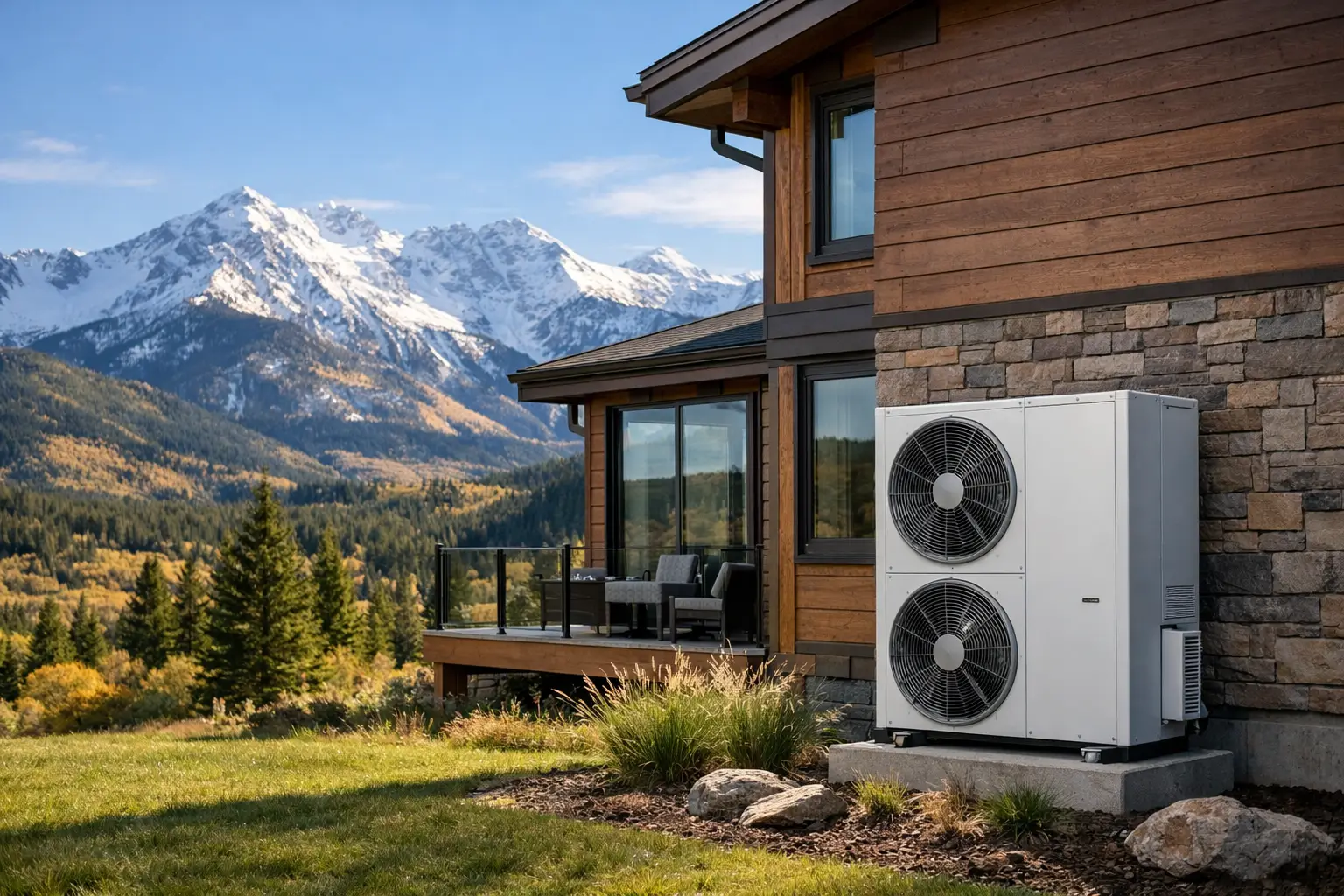
The biggest benefit is efficiency. Unlike a furnace that creates heat, a heat pump moves heat. That process usually uses less energy, especially during mild to moderately cold weather. For homeowners looking to lower monthly utility costs over time, that can be a strong argument.
You also get heating and cooling from a single piece of equipment. If your current air conditioner is due for replacement anyway, installing a heat pump can feel less like adding a new expense and more like choosing a more efficient version of something you already need.
Comfort is another reason people make the switch. Heat pumps tend to provide more even temperatures because they run longer at lower output rather than blasting hot air in short cycles. Many homeowners prefer that steady feel, especially in rooms that used to swing between too warm and too cool.
There is also the long-term flexibility factor. If energy prices change, if you want to reduce fossil fuel use, or if you plan to stay in the home for years, a heat pump can become more attractive. Homes that prioritize efficiency and updated HVAC systems may also stand out more to future buyers.
Where heat pumps may not be the best fit
A heat pump is not automatically the right answer just because it is efficient. Upfront cost is one of the main concerns. Installation can cost more than replacing a furnace alone, especially if electrical upgrades, ductwork changes, or system matching are needed.
Cold-weather performance is another factor. Today’s cold-climate heat pumps perform much better than older units, but extremely low temperatures can still reduce efficiency and output. In some homes, a dual-fuel setup makes more sense. That means the heat pump handles much of the year, while a furnace takes over during the coldest periods.
The condition of your home matters too. If the house is drafty, underinsulated, or has leaky ducts, a heat pump may still work, but it may not deliver the comfort or savings you expect. In those cases, the equipment is being asked to solve problems that really belong to the building envelope.
For commercial spaces, the answer depends even more on usage patterns, square footage, zoning needs, and the type of equipment already in place. A small office or retail space may benefit from a heat pump upgrade, while a larger property may need a more specialized commercial solution.
Cost versus savings: the part most people care about
The simple version is this: heat pumps often cost more upfront and less to operate. Whether that math works in your favor depends on how long you plan to stay in the property, what system you have now, and how much your current utility bills are costing you.
If you are replacing both heating and cooling equipment, a heat pump often looks stronger financially than if you are comparing it only to a furnace replacement. If your current system uses expensive electric heat, the savings can be more noticeable. If you already have an efficient natural gas furnace and a newer air conditioner, the payback may be slower.
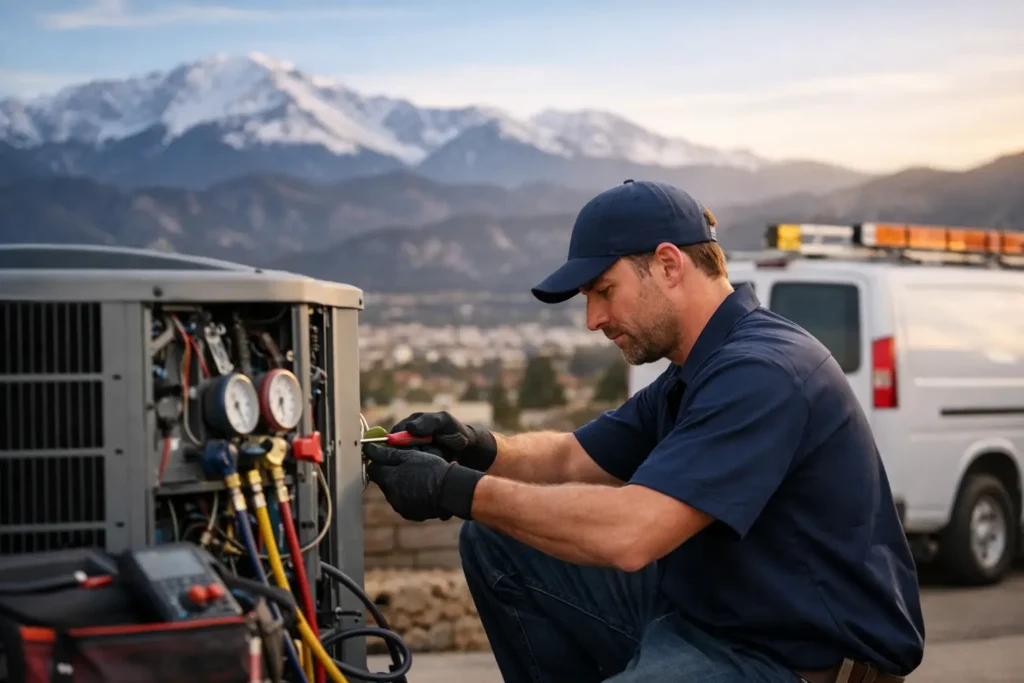
Maintenance should be part of the equation too. Heat pumps need regular service just like furnaces and air conditioners do. The good news is that with proper maintenance, they can be dependable and efficient for years. Skipping service, on the other hand, can shrink the performance advantage quickly.
In some cases, rebates, incentives, or financing can make the decision easier. Those programs change over time, so it is worth asking what is currently available before you rule a system in or out based on sticker price alone.
Are heat pumps worth it for older homes?
They can be, but older homes need a closer look. If the home has poor insulation, undersized ducts, or rooms that have never heated evenly, installing a heat pump without addressing those issues can lead to mixed results.
That does not mean older homes should avoid heat pumps. It means the evaluation needs to be more thorough. Sometimes a ducted heat pump works well. Sometimes a mini split system is the better answer, especially for additions, upstairs rooms, or areas with comfort problems. In homes with space limitations or no existing ductwork, that can be a major advantage.
Older homes often benefit most when HVAC improvements are paired with practical upgrades like air sealing or insulation work. The equipment performs better, and the home feels better.
Signs a heat pump may make sense for your property
If your air conditioner is near the end of its life, your heating bills are higher than expected, or certain rooms never seem comfortable, a heat pump is worth considering. The same is true if you want one system that can handle both seasons efficiently.
It may also be a good fit if you are remodeling, adding conditioned space, replacing electric baseboard heat, or trying to improve comfort in a home office, sunroom, or finished basement. For some commercial properties, heat pumps can offer useful zoning and efficiency benefits as well.
The strongest candidates usually have realistic expectations. They understand that the best system is not just the most efficient model on paper. It is the one sized correctly for the building, installed well, and supported with ongoing maintenance.
The installation matters as much as the equipment
This is where many heat pump decisions go right or wrong. A quality system installed poorly can underperform from day one. Sizing errors, airflow issues, thermostat problems, and duct leaks can all affect comfort and operating cost.
A proper evaluation should look at more than square footage. It should consider insulation levels, window exposure, duct condition, occupancy patterns, and how the building is actually used. For homes and businesses in El Paso County, local climate experience matters too. Equipment needs to be chosen for real winter conditions, not just average temperatures on a chart.
If you are weighing options, it helps to work with a contractor who can explain the trade-offs clearly. That includes when a standard heat pump is enough, when a cold-climate model is better, and when a dual-fuel setup may be the smartest route. Strong Heating and Cooling approaches those conversations the way they should be handled – with straightforward recommendations based on comfort, efficiency, and the property itself.
So, are heat pumps worth it?
For many property owners, yes. They can lower energy use, provide reliable heating and cooling, and improve comfort when the system is matched to the space. They are especially appealing when you are already planning to replace aging HVAC equipment.
But the best answer is not based on trends or sales language. It comes from your home, your utility costs, your comfort needs, and your long-term plans. A heat pump is worth it when it solves the right problem at the right property, with the right installation behind it.
If you are considering one, the smartest next step is not guessing from online averages. It is getting a clear assessment of what your building actually needs so you can invest with confidence, not hope.