That spike in your utility bill, the extra dust on your furniture, or the room that never seems to warm up can all point to one simple issue – the furnace filter. It is a small part with a big job, and when it is dirty, missing, or the wrong type, your whole heating system can feel the strain.
Most people do not think much about their filter until something starts going wrong. That is understandable. It is out of sight, easy to forget, and often treated like a minor maintenance item. In reality, it plays a direct role in airflow, indoor air quality, system efficiency, and the long-term health of your furnace.
What a furnace filter actually does
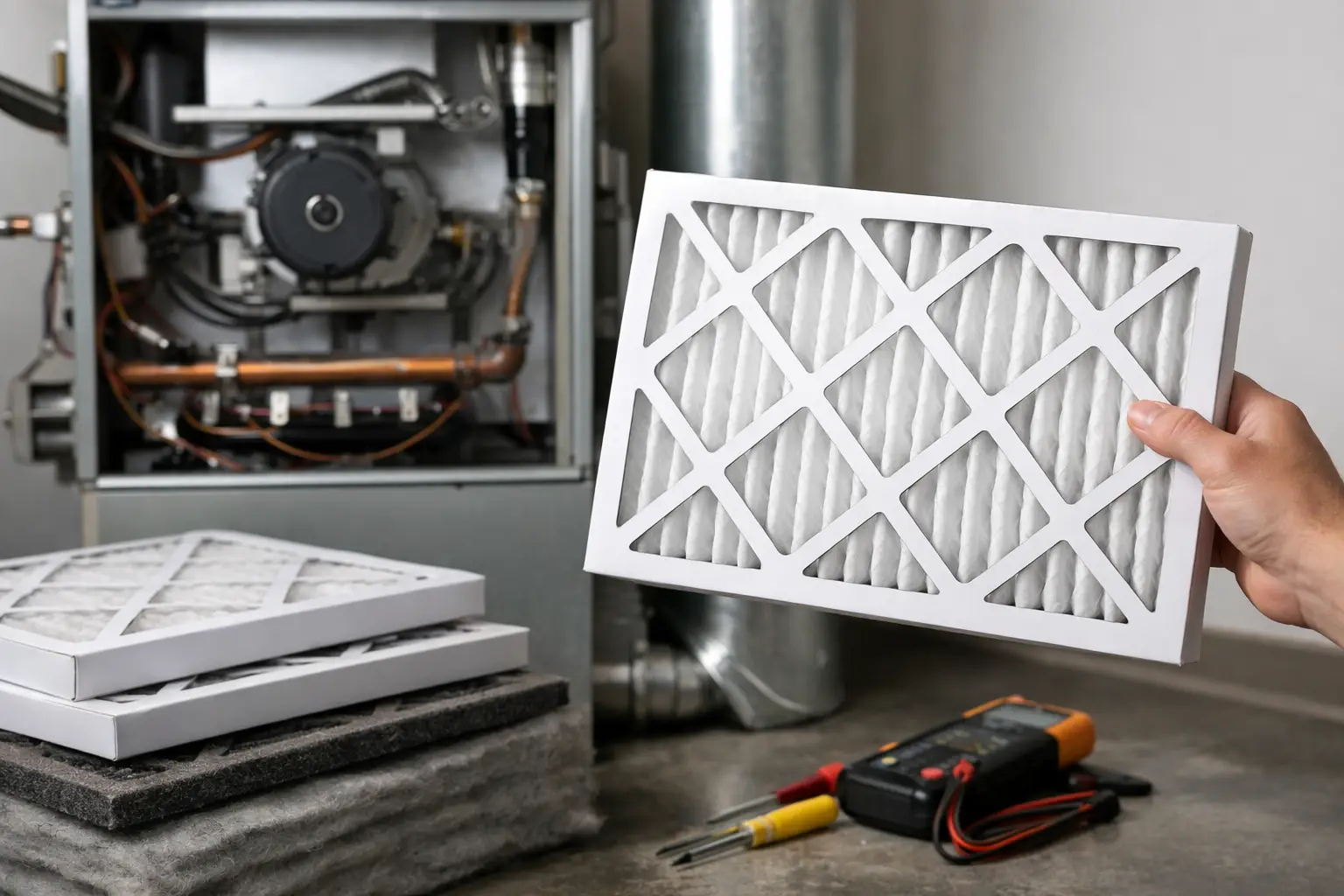
A furnace filter is designed to catch airborne particles before they move through your HVAC system. That includes common debris like dust, lint, pet dander, pollen, and other fine particles that circulate through a home or commercial space.
Its job is not just about cleaner air. The filter also helps protect internal furnace components from buildup. When dust coats sensitive parts, your system may have to work harder, run longer, and wear down faster. A clean filter supports steady airflow. A clogged one restricts it.
That airflow point matters more than many property owners realize. Furnaces are built to move a specific amount of air. If the filter blocks too much of that movement, you can end up with uneven heating, higher energy use, and in some cases, overheating that stresses the equipment.
Why the wrong furnace filter can cause problems
Not every filter is right for every system. This is where good intentions sometimes backfire. A homeowner may buy the most expensive or highest-rated option on the shelf, assuming it has to be better. Sometimes it is. Sometimes it is too restrictive for that particular furnace.
Filters are often rated by MERV, which stands for Minimum Efficiency Reporting Value. A higher MERV rating means the filter can capture smaller particles. That sounds ideal, but higher filtration can also reduce airflow if the system is not designed for it.
For many residential systems, a mid-range filter provides a practical balance between filtration and performance. Homes with pets, allergy concerns, or higher dust levels may benefit from a different setup. Commercial spaces can have different requirements altogether depending on occupancy, use, and ventilation design. The best choice depends on the equipment and the space it serves.
How often should you change a furnace filter?
There is no single schedule that fits every building. The common advice to change it every 30, 60, or 90 days is a starting point, not a rule.
A 1-inch filter in a busy household with pets may need attention every month. A thicker media filter may last longer. A property with ongoing construction dust, frequent system use, or multiple occupants may go through filters faster than expected. If the system runs heavily through cold Colorado weather, filters can load up more quickly during peak heating season.
The safest approach is simple. Check the filter regularly and replace it when it looks dirty or airflow starts to suffer. Waiting until there is a clear comfort problem usually means the system has already been working harder than it should.
Signs your furnace filter needs attention
Some filter problems are obvious. Others are easy to miss until they become more expensive.
If your furnace filter is overdue for replacement, you may notice more dust collecting indoors, weaker airflow from vents, longer heating cycles, rooms that heat unevenly, or a sudden jump in energy costs. Some systems may start shutting down more often as a protective response to airflow restriction.
You might also notice the furnace itself sounds different. Straining equipment can produce more noise, especially when it is trying to pull air through a clogged filter. That does not always mean the filter is the only issue, but it is one of the first things worth checking.
Choosing the right filter size and fit
Size matters just as much as filter type. A filter that is too small can allow air to bypass the edges. A filter that does not sit correctly can also reduce effectiveness and leave internal components exposed to dust.
The correct dimensions are usually printed on the side of the existing filter, but actual measurements can vary slightly from nominal size. That is one reason it helps to stay consistent once you know what fits properly.
Installation direction matters too. Most filters have an airflow arrow on the frame. That arrow should point toward the furnace or air handler, following the direction air moves through the system. A backward filter may still catch some debris, but it is not working as intended.
Cheap filters vs. high-efficiency filters
This is where trade-offs come in. Basic fiberglass filters are inexpensive and allow strong airflow, but they typically capture fewer fine particles. Pleated filters generally do a better job filtering the air, but they can create more resistance if the rating is too high for the system.
Neither option is automatically right or wrong. If your main goal is protecting equipment with minimal airflow restriction, a standard filter may be acceptable. If you want better particle capture for comfort or air quality, a pleated option may be worth it. The key is matching the filter to the system, not just the shelf label.
If anyone in the building has allergies, asthma, or other respiratory concerns, it may also make sense to look beyond the filter alone. In some cases, better results come from a broader indoor air quality approach rather than simply installing the most restrictive filter available.
Why filter maintenance matters for repairs and system life
A neglected filter does not just make a furnace less efficient. It can contribute to larger service issues over time. Reduced airflow can lead to overheating, increased wear on the blower motor, and added strain on heat exchangers and other components.
For property owners trying to avoid mid-season breakdowns, regular filter checks are one of the simplest preventive steps available. It is low-cost maintenance that supports better operation across the whole system.
This is especially important for older equipment. Aging furnaces often have less room for avoidable strain. If the system is already dealing with wear, a dirty filter can push performance problems to the surface faster.
Furnace filter questions for homes and commercial spaces
Residential and commercial needs are not always the same. In a home, the concern may center on family comfort, pets, dust, and utility bills. In a business, the priorities may include consistent temperatures, protecting equipment, occupant comfort, and avoiding disruptions during operating hours.
Larger systems, rooftop units, and multi-zone properties may have multiple filters or different filter requirements in separate areas. That is one reason filter replacement gets overlooked in commercial settings. It is not always a single quick swap.
If you manage a property and are unsure whether the current filter setup matches the equipment, that is worth reviewing before it turns into a performance issue.
When to call a professional
Changing a filter is usually straightforward. But if you replace it and still notice weak airflow, hot and cold spots, short cycling, or unusual furnace behavior, the filter may only be part of the problem.
Persistent airflow issues can point to duct problems, blower issues, thermostat concerns, or a furnace that needs service. In those cases, it helps to have a trained technician look at the full system instead of guessing. A quick inspection can often prevent a smaller issue from becoming a larger repair.
If you need help choosing the right filter, tracking down airflow problems, or getting your heating system ready for the season, Strong Heating and Cooling can help you sort out what is actually happening and what needs attention now.
A furnace works best when the basics are handled well, and the filter is one of those basics that pays off every time you stay ahead of it.