A heating system usually gets your attention on the coldest morning of the year – when the house feels chilly, the utility bill looks too high, or your current unit is struggling to keep up. If you’re weighing a heat pump vs furnace decision, the right choice depends on more than just upfront price. Your comfort, energy use, home layout, and local climate all matter.
For homeowners and property owners in Colorado, that decision can feel especially important. Winters can be demanding, shoulder seasons can swing quickly, and no one wants to invest in equipment that leaves rooms unevenly heated or operating costs higher than expected. The good news is that both systems can work well. The better news is that they do very different jobs, and that makes the comparison easier once you understand the trade-offs.
Heat pump vs furnace: the core difference
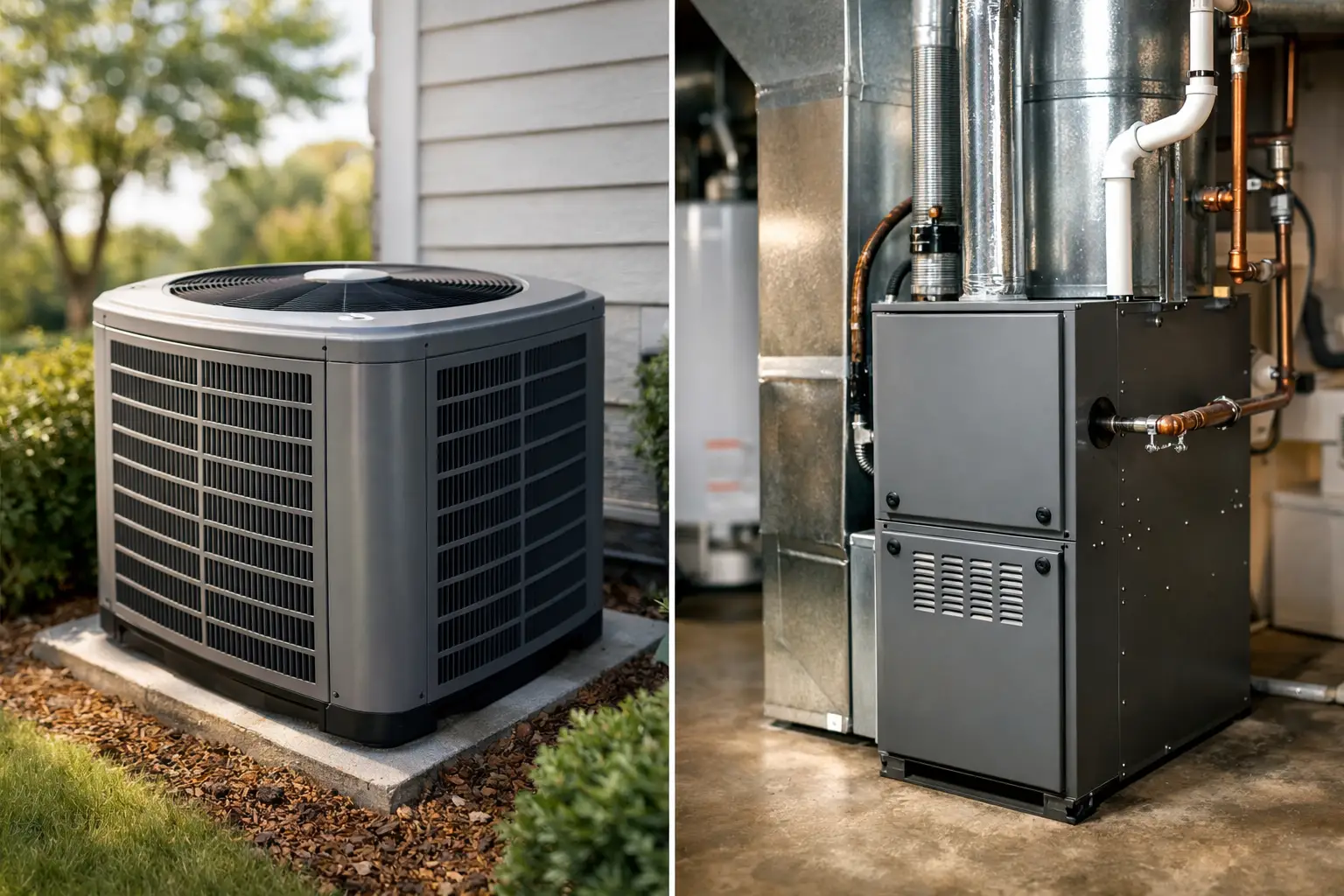
A furnace creates heat. In most homes, that means burning natural gas or using electricity to warm air, then pushing that heated air through the ductwork. When outdoor temperatures drop hard, a furnace is designed to keep producing strong, reliable heat.
A heat pump works differently. It does not generate heat in the same way. Instead, it moves heat from one place to another. In winter, it pulls heat from the outdoor air and transfers it inside. In summer, it reverses the process and cools your home like an air conditioner.
That difference matters because a heat pump is both a heating and cooling system, while a furnace is only one part of the comfort equation. If your current setup includes a separate air conditioner, replacing it with a heat pump may change the value calculation.
How a furnace performs in cold weather
Furnaces remain a popular choice for a reason. They provide fast, forceful heat, and they handle very cold temperatures well. When you want the house to warm up quickly after a freezing night, a furnace usually delivers that blast of warmth better than a heat pump.
This is one of the biggest reasons many homeowners still prefer furnaces in colder climates. Gas furnaces in particular are known for dependable heating during extended cold snaps. They are also familiar to many property owners, which can make maintenance decisions and replacement planning feel more straightforward.
That said, a furnace has limits. It does not cool your home, so you still need a separate AC system. Fuel costs can also be a factor, especially if gas prices rise or the system is older and less efficient. And because furnaces burn fuel, they require proper venting and attention to safety-related components.
How a heat pump performs year-round
A heat pump’s biggest advantage is efficiency. Because it transfers heat rather than creating it through combustion, it can use less energy in milder conditions. That makes it especially appealing for homeowners who want to reduce monthly utility costs and simplify their HVAC setup.
The other major advantage is versatility. A heat pump gives you heating and cooling in one system. For homes that need an aging AC replacement and a heating upgrade around the same time, that can make a heat pump a very practical option.
The main concern people have is winter performance. Older heat pump systems had a reputation for struggling in deeper cold. Newer systems are much better, especially cold-climate models, but performance still depends on the equipment, insulation levels, duct condition, and how cold your area gets. In some homes, a heat pump alone is enough. In others, pairing it with backup heat makes more sense.
Cost is not just the installation price
When people compare heat pump vs furnace options, they often start with installation cost. That matters, but it should not be the only number driving the decision.
A furnace installation may have a lower upfront cost in some situations, especially if your home already has gas service, ductwork, and a working AC system that does not need replacement yet. If you’re only replacing the heating side of the system, a furnace can be the simpler move.
A heat pump may cost more upfront depending on the system type and whether electrical upgrades are needed. But it can offset that cost by reducing energy use and replacing both heating and cooling equipment in one package. The long-term value depends on how often the system runs, local utility rates, and how efficient the installed equipment is.
This is where a professional load calculation and honest equipment recommendation matter. The cheapest option on day one is not always the least expensive option over the life of the system.
Comfort feels different with each system
This part gets overlooked, but it matters in everyday life. A furnace tends to deliver hotter air from the vents. Many people associate that with strong, immediate comfort, especially in winter.
A heat pump usually delivers air at a lower temperature than a furnace, even when it is heating properly. The home can still reach the set temperature and stay comfortable, but the air coming from the vents may feel less dramatic. Some homeowners love that steadier, more even operation. Others prefer the warmer supply air a furnace provides.
Neither is automatically better. It comes down to what kind of comfort you prefer and how your home holds heat.
Energy efficiency and operating costs
If energy efficiency is a top priority, heat pumps often have the edge. In moderate heating conditions, they can be very efficient. They also remove the need for a separate central AC, which can simplify equipment planning and maintenance.
Furnaces vary widely in efficiency. A newer high-efficiency furnace can perform very well and lower heating costs compared to an older unit. If natural gas rates are favorable and your home experiences long, cold winters, a furnace may still be a cost-effective heating solution.
Operating cost is where the “it depends” part becomes real. Utility pricing, insulation, air sealing, thermostat settings, and system sizing all affect your bill. A high-efficiency system installed poorly will not deliver the results you expect. Good design and quality workmanship matter just as much as the equipment label.
What works best in Colorado Springs homes?
In the Colorado Springs area, climate plays a real role in system choice. We see cold winters, but we also have many days where a highly efficient heat pump can perform well. That makes the answer less black and white than it used to be.
For some homes, a furnace remains the best fit because of winter heating demands, existing gas infrastructure, or homeowner preference for stronger heat output. For others, a heat pump is a smart upgrade because it offers efficient heating and cooling together.
There is also a middle-ground option that deserves attention: a dual-fuel system. This setup pairs a heat pump with a furnace. The heat pump handles milder weather efficiently, and the furnace takes over during colder periods when stronger heat is needed. For many homes in this region, that balance can make a lot of sense.
Repairs, maintenance, and service life
Both systems need regular maintenance if you want dependable performance. Furnaces require inspections of burners, heat exchangers, ignition systems, filters, and airflow. Heat pumps need coil cleaning, refrigerant checks, electrical testing, airflow review, and seasonal tune-ups because they work in both heating and cooling modes.
Because a heat pump operates year-round, it may experience more overall wear than a furnace that only runs during heating season. That does not make it a bad investment. It simply means maintenance becomes even more important.
From a service standpoint, what matters most is having equipment that is correctly sized, installed cleanly, and maintained on schedule. Many major repair issues start with poor installation or neglected upkeep, not with the equipment type itself.
When a furnace makes more sense
A furnace is often the better choice if your home already has a solid AC system, natural gas is available, and your priority is strong heating performance during very cold weather. It also makes sense if you want a lower-complexity heating replacement and are satisfied with your current cooling setup.
For commercial spaces or larger properties with specific heating demands, furnaces and other fuel-based systems can also remain a practical fit depending on building use, occupancy, and existing infrastructure.
When a heat pump makes more sense
A heat pump is often the better fit if you want one system for both heating and cooling, lower energy use in milder weather, and a more modern all-in-one approach. It can be especially appealing if both your heater and air conditioner are aging out at the same time.
It may also be a strong option if you’re focused on efficiency upgrades, planning ahead for long-term utility savings, or improving comfort in a home that needs a more balanced HVAC solution.
The best choice starts with the house, not the headline
The most useful answer to heat pump vs furnace is not based on trends or one-size-fits-all advice. It starts with your home’s size, insulation, ductwork, fuel access, budget, and comfort expectations. A system that works beautifully in one home may be the wrong fit for the house next door.
That is why a careful evaluation matters. A dependable contractor should explain the trade-offs clearly, give you realistic operating expectations, and recommend equipment based on how your property actually performs – not just what is easiest to sell. If you are replacing a system, ask questions, look beyond the sticker price, and choose the option that will keep your home comfortable when you need it most.