If your water heater is one of the biggest energy users in the house, replacing it with another standard tank may cost you more than you think. A good heat pump water heater review should answer the question most homeowners actually care about – will it save money without creating new headaches?
That depends on the home, the installation space, and your hot water habits. In the right setup, a heat pump water heater can cut operating costs significantly compared to a conventional electric model. In the wrong setup, it can disappoint on recovery time, noise, or installation complexity. That is why this review focuses on real-world performance, not sales claims.
Heat pump water heater review: what makes these systems different?
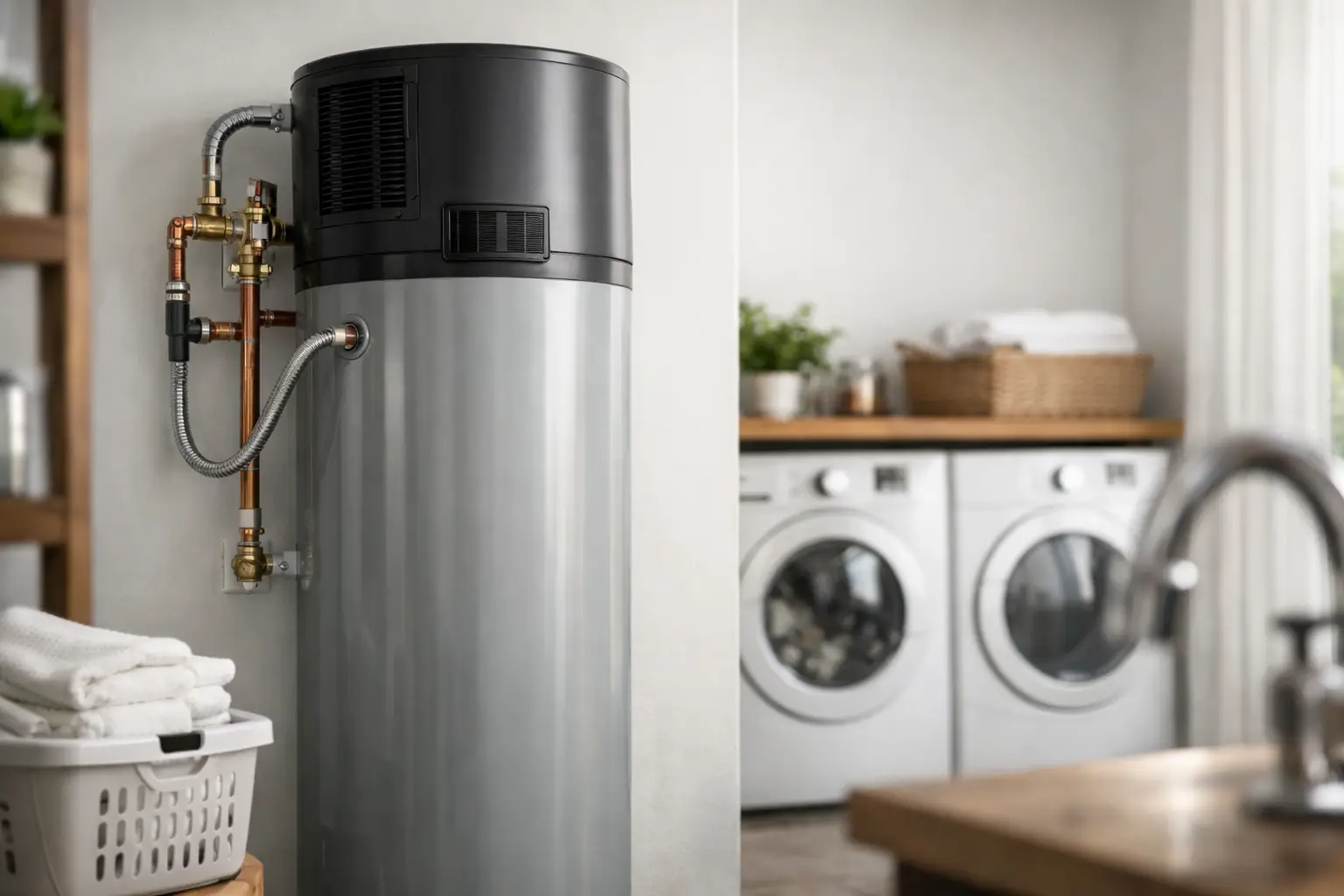
A standard electric water heater creates heat directly. A heat pump water heater works differently. It pulls warmth from the surrounding air and moves that heat into the tank. Because it transfers heat instead of generating all of it with resistance elements, it usually uses far less electricity.
That efficiency is the main selling point. For households with high utility bills, the lower operating cost can be the difference between a basic replacement and an upgrade that pays back over time. Many models also include hybrid modes, which let the unit switch between heat pump operation and standard electric heating when demand is high.
The trade-off is that these systems are more particular about where and how they are installed. They need enough surrounding air, enough space, and a location where cooler exhaust air will not create comfort issues. In a garage, utility room, or unfinished basement, that may be easy. In a tight indoor closet, it may not be.
The biggest strengths in this heat pump water heater review
The strongest argument for a heat pump water heater is efficiency. Compared with a standard electric tank, these units can reduce energy use enough to noticeably lower monthly utility costs. For homeowners planning to stay in the house for several years, that matters more than the sticker price alone.
Another advantage is rebate potential. Depending on the model, utility programs, and tax incentives available at the time of purchase, upfront costs may be offset more than many people expect. That does not make every installation cheap, but it can narrow the gap between a conventional unit and a hybrid heat pump model.
They also fit well with all-electric homes. If you want to reduce gas use, avoid adding new venting, or pair major appliances with a broader efficiency plan, a heat pump water heater becomes much more attractive. For some homes, it is one of the most practical energy upgrades available.
There is also a comfort and safety angle. Since these units do not rely on combustion the way a gas water heater does, there is no concern about gas venting at the appliance itself. That can simplify some replacement decisions, especially during remodels or equipment upgrades.
Where heat pump water heaters can fall short
A balanced heat pump water heater review has to cover the drawbacks clearly. First is the initial cost. Equipment pricing is usually higher than a conventional electric tank, and installation can involve more labor depending on drain access, electrical needs, airflow requirements, and placement.
Second is recovery speed. While hybrid models can switch to electric resistance heating when needed, heat pump mode alone is usually slower than many homeowners expect. Large families, back-to-back showers, or heavy laundry demand can expose that limitation if the unit is undersized.
Noise is another factor. These systems have a compressor and fan, so they are not silent. Most are not excessively loud, but they are generally louder than a standard tank-style electric heater. In a garage or basement, that may not matter. In a utility closet next to a bedroom or main living area, it can become a real complaint.
Then there is the cooling effect. Because the system pulls heat from the air, it releases cooler air into the surrounding area. That can be helpful in warm spaces. In colder parts of the home, especially during winter, it can work against indoor comfort or reduce efficiency if the room gets too cool.
Best-fit homes and problem installations
Heat pump water heaters tend to perform best in spaces with enough air volume and moderate ambient temperatures. Garages often work well, especially in climates where the space stays within the unit’s operating range for much of the year. Basements can also be good, although every home is different.
In Colorado homes, placement matters even more because winter temperatures can change the equation. An unconditioned garage may still be a strong candidate, but a technician should look at seasonal conditions, insulation, and how the unit will behave during colder months. A model that performs well on paper may underdeliver if the installation space drops outside its preferred operating range too often.
Tight closets, cramped mechanical rooms, and areas with poor drainage are usually where problems start. Some installations may require ducting strategies, condensate management, or additional planning to make the system work properly. If a contractor treats it like a simple tank swap, that is a red flag.
Performance, cost, and payback
For most buyers, the real review comes down to value. A heat pump water heater often costs more upfront than a standard replacement, but the operating savings can be substantial over the life of the equipment. The key question is how long it will take for those savings to offset the higher installation cost.
That payback period depends on electricity rates, household hot water use, available incentives, and the specific model selected. A busy household with high hot water demand may see stronger savings than a single-occupant home with modest use. If incentives are available, the economics improve quickly.
Still, cheaper to operate does not always mean cheaper to own. If the installation requires electrical upgrades, relocation, drainage work, or space modifications, the total project cost rises. This is why quotes need to account for the actual site, not just the appliance price.
Features worth paying for and features you may not need
Some premium features are worthwhile. Leak detection and auto shutoff can help protect against water damage. Vacation mode can trim unnecessary energy use. Smart controls can be helpful if you actually monitor usage or want alerts.
Not every added feature carries equal value. A complicated app may matter less than tank size, noise rating, warranty terms, and service access. Homeowners sometimes focus on efficiency numbers and miss the practical details that affect day-to-day satisfaction.
Brand reputation also matters, but local support matters just as much. Even a quality unit can become frustrating if parts are hard to get or the installer is not familiar with setup requirements. Strong Heating and Cooling often sees that the best equipment choice is the one that fits both the home and the service support available after installation.
Should you choose one over gas or standard electric?
If you are replacing a standard electric water heater and have the right space, a heat pump model is often a strong upgrade. The energy savings are usually the clearest in that comparison, and the switch does not involve gas line or venting decisions.
If you are replacing a gas water heater, the answer is more case by case. A gas unit may still make sense depending on fuel costs, venting setup, available electrical service, and your household’s hot water demand. Going from gas to heat pump can be a smart move, but it should be evaluated as part of the whole system, not just as an appliance swap.
For commercial properties or multifamily situations, the review becomes even more site-specific. Usage patterns, simultaneous demand, mechanical room conditions, and redundancy needs all matter. In those cases, generalized advice is not enough.
Who should buy a heat pump water heater?
A heat pump water heater is a good fit for homeowners who want lower electric bills, plan to stay in the home long enough to benefit from the savings, and have an installation area that supports efficient operation. It is also a smart option for buyers who value incentives, electrification, and long-term efficiency more than the lowest upfront price.
It may not be the best fit for homes with limited installation space, very high peak hot water demand, or locations where noise and cold exhaust air will create problems. In those homes, a different water heating solution may deliver better overall value even if the efficiency rating looks less impressive.
The best buying decision usually comes from a simple question: how will this unit perform in your actual home, not in a product brochure? That is where a professional assessment matters.
A heat pump water heater can be an excellent upgrade, but only when the sizing, placement, and installation details are handled correctly. If you are considering one, focus less on the marketing promises and more on whether your home can support the technology well. The right answer is not always the newest option – it is the system that gives you reliable hot water, fair operating costs, and fewer surprises after installation.