Your furnace should not feel like a second mortgage every winter. If your utility bill jumps the moment temperatures drop, the best ways lower heating bills usually are not a single big fix. They are a mix of smarter thermostat settings, better airflow, less heat loss, and making sure your heating system is not working harder than it should.
In Colorado, that matters even more. Cold snaps can hit hard, and when your system runs longer every day, small inefficiencies turn into expensive habits. The good news is that many of the biggest savings come from practical changes that also make your home feel more comfortable.
Best ways lower heating bills start with your thermostat
One of the fastest ways to reduce heating costs is to stop overheating the house. Many homes are kept warmer than they need to be, especially at night or during work hours when no one is using the space the same way.
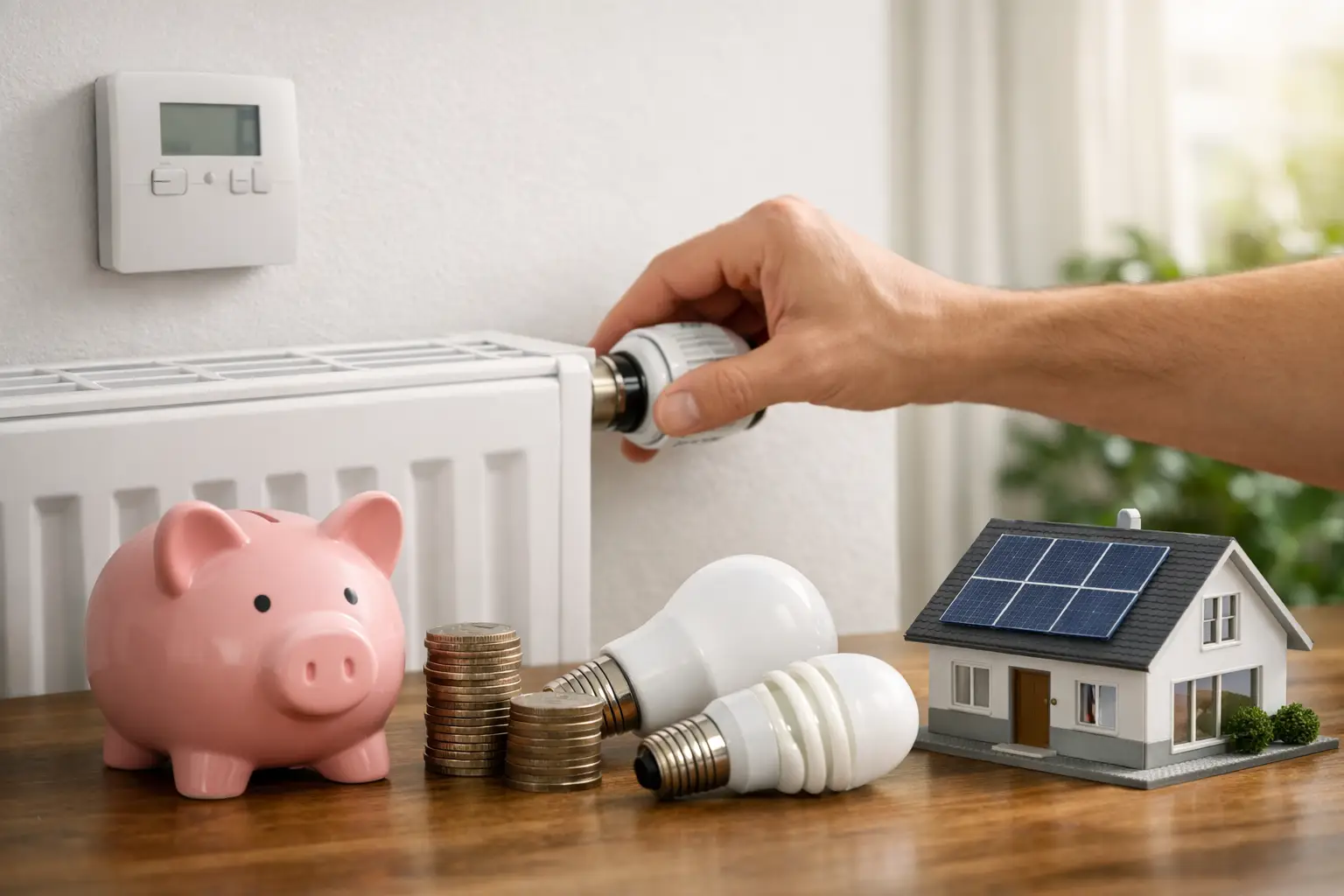
A programmable or smart thermostat helps by lowering the temperature automatically when you are asleep or away. Even a modest setback can make a noticeable difference over a full season. The trade-off is comfort. If you drop the temperature too far, some homes take longer to recover, and older systems may run for a while to catch up. For most households, a steady, reasonable schedule works better than dramatic swings.
Placement matters too. If the thermostat sits near a sunny window, a drafty door, or a warm kitchen, it may read the room incorrectly and make the rest of the house uncomfortable. In that case, the setting is not the real problem. The control location is.
Seal the heat leaks you cannot see
If warm air is escaping through gaps and cracks, your furnace is heating the outdoors. Air leaks around doors, windows, attic penetrations, recessed lights, and plumbing openings can quietly waste a lot of energy.
Weatherstripping and caulking are usually low-cost improvements with a strong return. Attic air sealing often helps even more because rising warm air naturally finds its way upward. Homeowners sometimes focus only on windows, but the attic floor, hatch, and small ceiling penetrations can be bigger sources of loss.
That said, not every draft means the same thing. A little air movement near older windows may be manageable with insulation and sealing elsewhere. Replacing every window is rarely the first or best answer if the goal is lower heating bills. Window replacement can help, but it is often a longer-payback project compared with sealing and insulating what you already have.
Insulation makes your heating system’s job easier
Insulation does not create heat. It keeps the heat you already paid for where it belongs. If your attic is under-insulated, your home will lose warmth faster no matter how well your furnace performs.
Attic insulation usually offers the clearest benefit in many homes, especially older ones. Wall insulation can help too, but it is often more complex and more expensive to add. Crawl spaces, basements, and rim joists also deserve attention because cold surfaces under the home can make floors uncomfortable and increase heating demand.
The key is balance. Too many homeowners jump straight to replacing equipment when the building envelope is the bigger issue. A high-efficiency furnace in a leaky, poorly insulated home still has to fight an uphill battle.
Do not ignore the air filter
A clogged filter restricts airflow, and restricted airflow makes a heating system work harder. It can also create comfort problems like uneven temperatures, longer run times, and extra strain on components.
This is one of the simplest maintenance items in the house, but it gets missed all the time. Check the filter regularly during heating season, especially if you have pets, construction dust, or high system use. Some filters last longer than others, so replacement timing depends on the filter type and your home conditions.
There is also a common mistake here. People assume the thickest, most restrictive filter is always best. In reality, some systems are not designed for high-resistance filters. Better filtration is useful, but airflow still matters. If you are not sure what your equipment can handle, it is worth asking a qualified HVAC technician.
Keep vents open and airflow balanced
Closing vents in unused rooms sounds like an easy way to save money, but it usually does not work the way people expect. Most forced-air systems are designed to move a certain amount of air. Closing too many registers can increase pressure in the ductwork and reduce overall system efficiency.
A better approach is to make sure supply vents and return grilles are not blocked by furniture, rugs, or curtains. If some rooms are always too hot while others stay cold, the issue may be balancing, duct leakage, insulation problems, or equipment sizing rather than a thermostat setting alone.
For commercial spaces, airflow issues can be even more costly. Uneven heating in offices, retail areas, or tenant spaces often leads to constant thermostat adjustments, complaints, and wasted run time. In those buildings, correcting airflow and zoning issues can improve both comfort and operating costs.
Best ways lower heating bills often include furnace maintenance
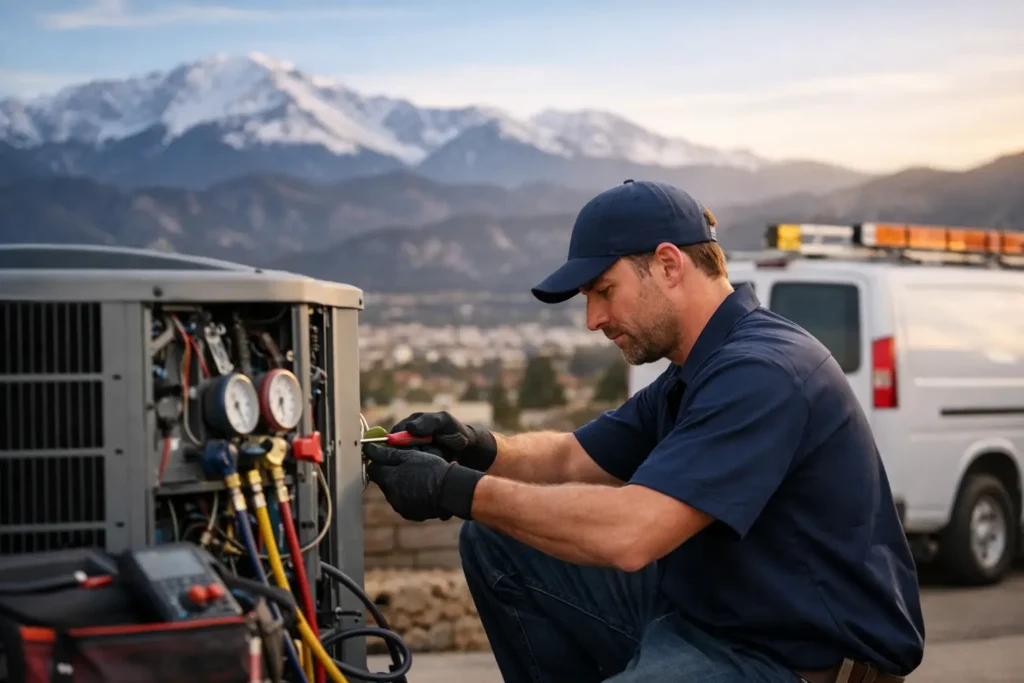
A heating system that has not been inspected can lose efficiency slowly enough that you do not notice until the bill arrives. Dirty burners, worn parts, weak airflow, ignition issues, and calibration problems all affect performance.
Routine maintenance helps your system run more efficiently and catch minor problems before they become expensive repairs. It also gives you a clearer picture of whether your furnace or boiler is still worth keeping. Sometimes a tune-up and a small repair are all you need. Other times, an older unit is consuming enough extra energy that replacement starts to make financial sense.
This is where honest evaluation matters. Not every older system needs to be replaced immediately, and not every repair is a good investment. Age, condition, repair history, and utility costs all factor into the decision.
Check your ducts if rooms never feel right
Leaky ducts can waste a surprising amount of heated air, especially in attics, crawl spaces, garages, or unconditioned utility areas. If the system is producing warm air but certain rooms still struggle, duct leakage may be part of the problem.
Duct sealing can improve both comfort and efficiency. Insulating ducts in unconditioned spaces can help as well. The catch is that duct issues are not always obvious without testing or inspection. Many homeowners assume the furnace is weak when the real issue is that conditioned air is not getting where it should.
In businesses with larger duct networks or rooftop equipment, those losses can scale quickly. A building that heats unevenly or runs excessively may be paying for air that never reaches occupied spaces.
Use ceiling fans and humidity to your advantage
Ceiling fans are not just for summer. In winter, a low-speed reverse setting can push warm air down from the ceiling and help rooms feel more even. This does not raise the temperature, but it can improve comfort enough that you do not feel the need to turn the thermostat up.
Humidity plays a role too. Dry winter air can make a home feel cooler than it is, which often leads people to raise the heat. Balanced indoor humidity can improve comfort at the same thermostat setting. The important word is balanced. Too much humidity can create window condensation and other problems, so the goal is comfort, not excess.
Know when an upgrade will actually pay off
If your system is older, inefficient, or facing repeated repairs, replacement may be one of the best long-term ways to reduce heating bills. High-efficiency furnaces, properly sized heat pumps, and modern boiler systems can significantly improve energy use when matched correctly to the building.
But replacement should not be treated like a magic fix. If the house leaks air, has poor insulation, or suffers from duct problems, new equipment alone may not deliver the savings you expect. The best results usually come from addressing the home or building as a whole.
This is also where local climate matters. In colder parts of El Paso County, equipment selection needs to reflect real winter conditions, not just a brochure estimate. A system that is right for one property may not be the right choice for another.
Daily habits still affect your bill
Small choices add up over a heating season. Keeping curtains open on sunny winter days and closed at night can help. Using kitchen and bath exhaust fans only as long as needed prevents warm indoor air from being pulled outside unnecessarily. Making sure the fireplace damper is closed when not in use also prevents constant heat loss.
For businesses, scheduling matters just as much. Heating empty spaces overnight, on weekends, or during low-use periods can push operating costs up fast. A good control strategy should reflect how the building is actually used.
If your bills still seem high after these changes, the next step is not guessing. It is getting the system evaluated by a professional who can identify whether the real issue is equipment efficiency, airflow, duct leakage, controls, or the structure itself.
Lower heating bills usually come from fixing what is wasting heat, not from sacrificing comfort. When your system is maintained, your home holds warmth better, and your controls are set with purpose, the result is not just lower costs. It is a house or building that feels right all winter long.