A bad ac install can leave you with hot rooms, high utility bills, and repair calls that start far too soon. A good one does the opposite. It keeps your home or building comfortable, runs efficiently, and gives you confidence that your money was spent the right way.
If you are planning a new air conditioning system, the install matters just as much as the equipment you choose. Even a high-quality unit can underperform if it is oversized, poorly matched, or installed without attention to airflow, duct condition, and system setup. That is why the smartest approach is not just buying a new AC. It is making sure the entire job is done correctly from the start.
Why the install matters more than most people think
Many property owners focus first on brand or price. That is understandable, but installation quality has a direct effect on comfort, system life, and monthly operating cost. If refrigerant levels are off, duct leaks are ignored, or the unit is not sized for the space, you can end up paying for a new system that never feels truly right.
This is especially important in places with big temperature swings and varied building types. A small older home, a newer two-story house, and a light commercial space all have different cooling demands. The right system for one may be the wrong system for another. That is why a dependable contractor looks at the whole picture instead of offering a one-size-fits-all recommendation.
What happens during an ac install
A professional install usually starts with an on-site evaluation. The technician should look at square footage, insulation, window exposure, ductwork, existing equipment, electrical requirements, and how the space actually performs during hot weather. If you have rooms that stay warmer than others or humidity issues indoors, those details should be part of the conversation.
From there, the recommendation should be based on system fit, not guesswork. In many cases, that means reviewing capacity, efficiency ratings, and whether your current duct system can support the new equipment. For some properties, a traditional central AC makes sense. In others, a ductless option may be the better choice. If that applies to your home, our page on Mini Split Installation Colorado Springs explains where that approach fits best.
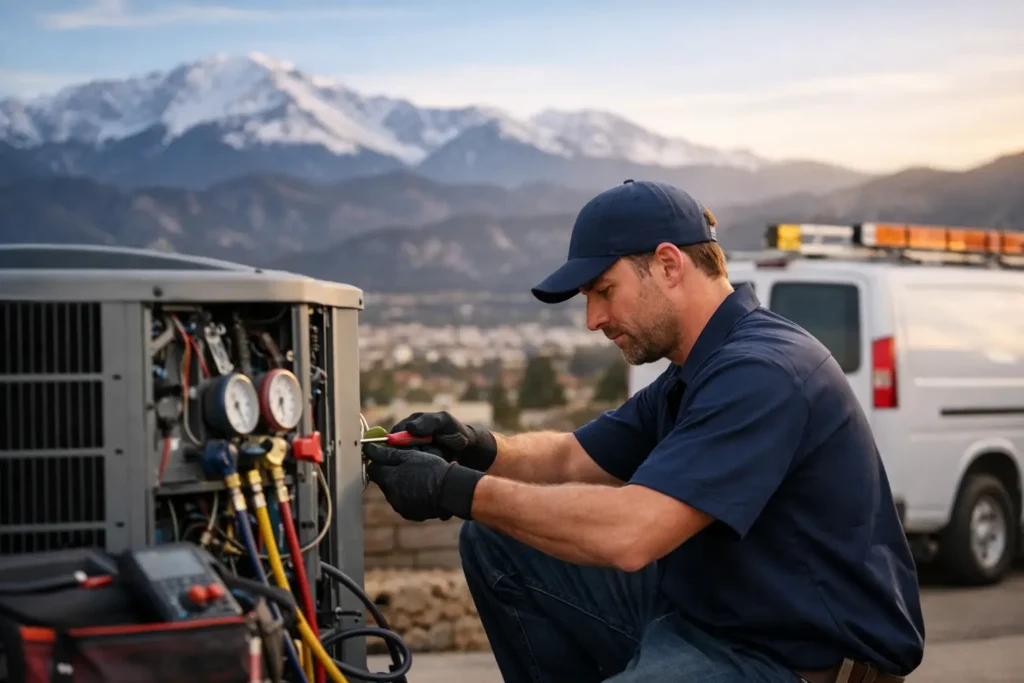
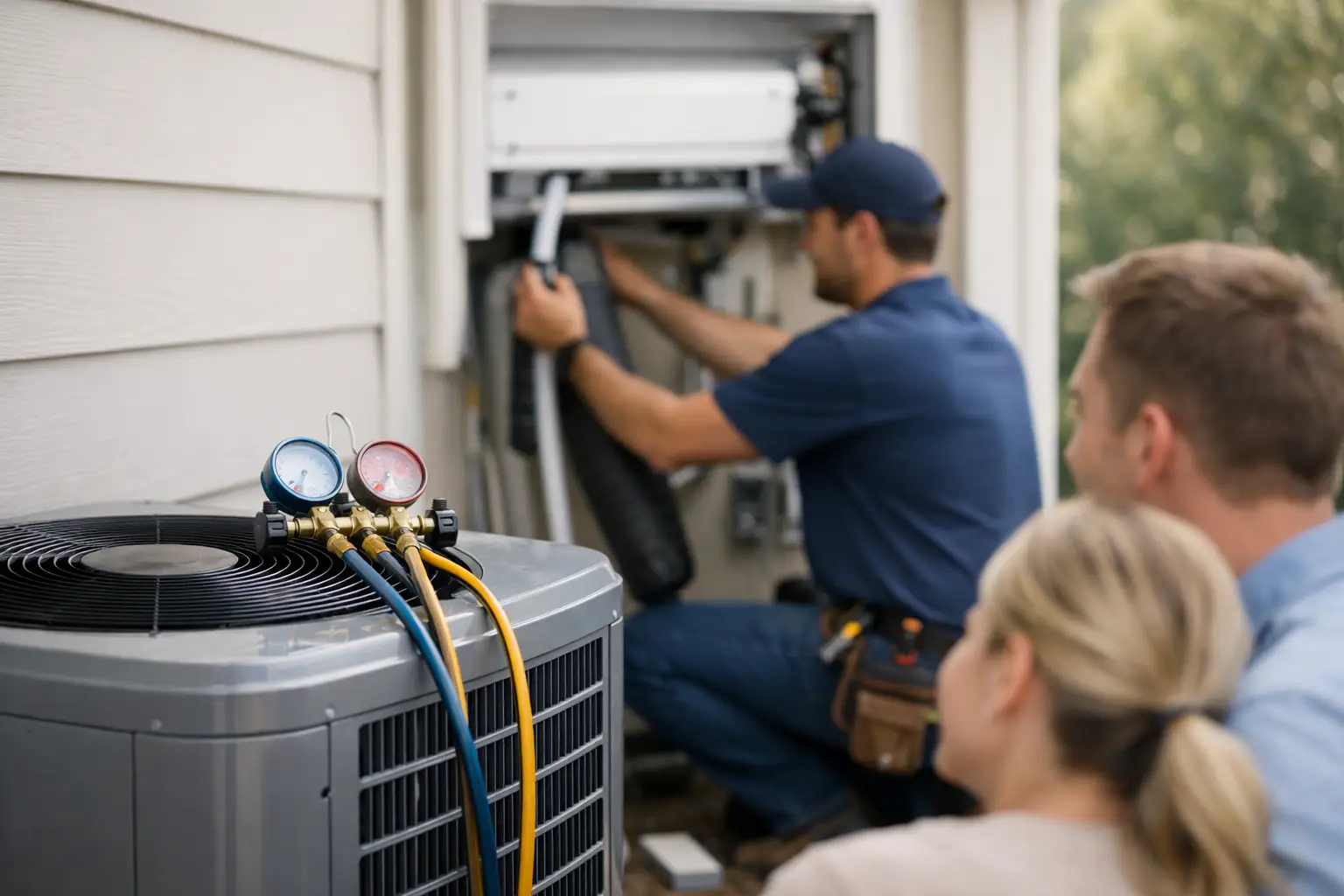
Once the equipment is selected, the install itself may include removing the old unit, setting the new outdoor condenser, installing or replacing the indoor coil, updating refrigerant lines if needed, checking the drain system, and verifying electrical connections and controls. Good installers also test airflow, confirm refrigerant charge, and make sure the thermostat is calibrated and communicating properly.
That last part is easy to overlook, but it matters. Startup and testing are where many long-term performance issues are either prevented or created.
Choosing the right size system
Bigger is not always better. In fact, an oversized air conditioner can create its own problems. It may cool the space too quickly, shut off before removing enough humidity, and cycle on and off more often than it should. That leads to uneven comfort and extra wear on components.
An undersized system has the opposite issue. It can struggle through the hottest parts of the day, run longer than necessary, and still fail to maintain the temperature you want.
Proper sizing should be based on more than square footage alone. Ceiling height, sun exposure, insulation levels, air leakage, duct design, and occupancy all affect cooling load. For commercial properties, equipment use, server rooms, storefront exposure, and operating hours also come into play. This is one of the clearest signs of a quality contractor – they explain why they are recommending a certain size instead of simply matching the old unit and moving on.
Cost factors that affect your install
One of the most common questions is simple: how much will an ac install cost? The honest answer is that it depends on the system, the property, and the scope of work.
The equipment itself is only one part of the price. Installation cost can also be affected by duct modifications, electrical upgrades, thermostat replacement, permit requirements, line set replacement, condenser placement, crane access for commercial work, and whether the old system created issues that need to be corrected before the new one goes in.
Efficiency level also changes the price. A higher-efficiency system may cost more upfront but lower operating costs over time. That can be a smart move if you plan to stay in the property and want better long-term value. On the other hand, not every building needs the top-tier option. A good recommendation should balance budget, comfort goals, and expected usage.
Transparent pricing matters here. You should know what is included, what is optional, and whether there are financing options available if you want to spread out the cost.
Ductwork, airflow, and the hidden issues that affect comfort
New equipment cannot solve every old problem. If your ductwork is leaking, undersized, or poorly routed, your new AC may still struggle to cool certain rooms. Airflow issues are one of the most common reasons people replace equipment but do not get the comfort improvement they expected.
That is why duct condition should be part of the install conversation. In some homes, minor sealing or adjustments are enough. In others, more significant duct improvements are needed. The same is true for filter setup, return air capacity, and thermostat location. A thermostat placed in a bad spot can cause short cycling or temperature imbalances that have nothing to do with the AC itself.
This is also where local experience helps. Homes and buildings in this area vary widely in age, layout, and insulation performance. An installer who understands those patterns is more likely to catch issues before they turn into callbacks.
Should you repair or replace?
Not every cooling problem means it is time for a full replacement. If your current system is relatively new and the issue is isolated, a repair may still be the better option. But if your unit is older, uses outdated refrigerant, needs frequent service, or cannot keep up during peak heat, replacement often makes more financial sense.
The key is looking at the full picture. Repeated breakdowns, rising energy bills, and uneven cooling usually point to a system that is costing more than it is worth. If you are already dealing with a no-cool situation, fast service matters. In urgent cases, Emergency HVAC Repair in Colorado Springs may be the right first step while you decide whether a repair or replacement is the better long-term move.
For property owners who know replacement is the right call, our [Air Conditioner Installation Colorado Springs](/air-conditioner-installation-colorado-springs) service page covers the process in more detail.
AC install options for homes and commercial spaces
Residential and commercial installs are not exactly the same. In a home, the focus is usually family comfort, efficiency, noise level, and room-to-room consistency. In a commercial setting, the priorities may also include occupancy schedules, zoning, equipment protection, ventilation needs, and minimizing downtime during business hours.
That is why the best install approach depends on how the space is used. A small office with a single rooftop unit has different demands than a retail space with changing foot traffic or a home with a finished basement and second-story heat gain. The equipment should fit the building, but the installation plan should fit the day-to-day reality of the people using it.
Signs you are talking to the right installer
You do not need a high-pressure sales pitch. You need clear answers. A dependable HVAC contractor should inspect the property, explain the options in plain language, and walk you through what is actually needed. That includes discussing efficiency, installation scope, timeline, warranty coverage, and any conditions that could affect performance.
It is also reasonable to expect licensed, trained technicians and honest communication if the job reveals something unexpected. Some installs are straightforward. Others uncover electrical issues, damaged drain components, or duct problems that need attention. The right team explains those findings without creating confusion or surprise charges.
Strong Heating and Cooling takes that practical approach because most customers want the same thing: dependable comfort, fair pricing, and workmanship they do not have to second-guess.
What to do before install day
A little preparation makes the process easier. Clear access around the indoor and outdoor equipment if possible. Make sure pets are secured, and ask ahead of time if there will be a period when cooling is completely offline. If you manage a commercial property, it also helps to coordinate access, parking, and any operating-hour restrictions in advance.
Before work begins, confirm what equipment is being installed, whether accessories like thermostats are included, and what the expected completion window looks like. That simple conversation can prevent misunderstandings and keep the job moving smoothly.
A new AC system is a major investment, but it should not feel like a gamble. When the install is done right, you get more than cold air. You get steadier comfort, better efficiency, and fewer problems when the weather gets serious.