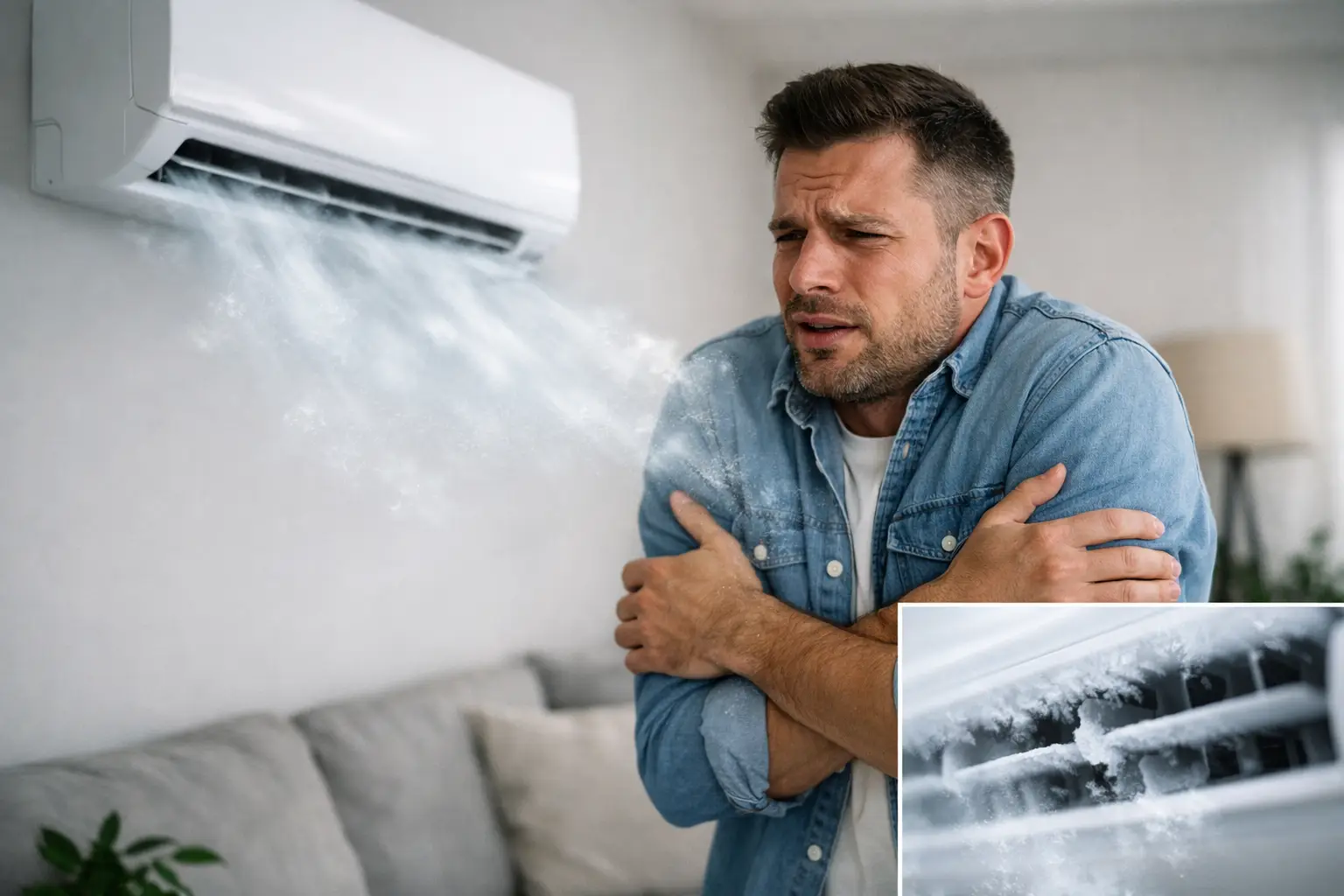
You set the thermostat, wait for relief, and instead of cool air, your system starts acting the opposite of how it should. If you’re asking, “why is my ac blowing cold air?” the first thing to know is that the answer depends on what type of system you have, what mode it’s in, and whether the issue is simple or mechanical.
For many property owners, this question usually means one of two things. Either the AC is blowing air that does not feel cold enough, or a heat pump is blowing cold air when you expected heat. Both situations point to a system that needs attention, but not every case means a major repair. Sometimes it is a thermostat setting. Sometimes it is airflow. And sometimes it is a warning sign that should not be ignored.
Why is my AC blowing cold air when it shouldn’t?
If your home feels chilly when it should be warm, or if the air coming from vents does not match the temperature you selected, start with the basics. HVAC systems are designed to respond to settings, airflow conditions, and safety controls. When one of those factors is off, the result can feel confusing.
A common issue is thermostat mode. It sounds simple, but it happens often. If the thermostat is set to cool instead of heat, or if the fan is set to ON instead of AUTO, the system may keep circulating air even when it is not actively heating. That moving air can feel cold, especially in winter.
Heat pumps can add another layer of confusion. Unlike a furnace, a heat pump often blows air that feels cooler than body temperature even while it is heating your home. That does not always mean something is wrong. Heat pump air is usually warm enough to raise room temperature, but it may not feel hot coming out of the vent. If the house is reaching the set temperature, the system may be operating normally.
If the home is not warming up, then the cold air matters. That could point to a defrost cycle, low refrigerant, an outdoor unit issue, or backup heat that is not engaging.
The most common causes
Thermostat settings are incorrect
Before assuming you need repair, check the thermostat carefully. Make sure the system is set to the right mode and the temperature setting is actually above the current room temperature if you are trying to heat the space. Also check the fan setting. AUTO is usually the correct choice because it only runs the blower when the system is actively heating or cooling.
A thermostat with low batteries or programming issues can also cause strange behavior. If the screen is blank, unresponsive, or not following the schedule you expect, that can create comfort problems that seem larger than they are.
The air filter is clogged
Restricted airflow affects both heating and cooling performance. A dirty filter can cause the system to struggle, reduce efficiency, and in some cases trigger safety shutoffs or icing. If airflow is weak and temperatures feel off, checking the filter is one of the fastest and most useful first steps.
If the filter looks heavily coated with dust, replace it and give the system a little time to stabilize. This is especially important in high-use seasons and in homes with pets, remodeling dust, or older duct systems.
The outdoor unit is having trouble
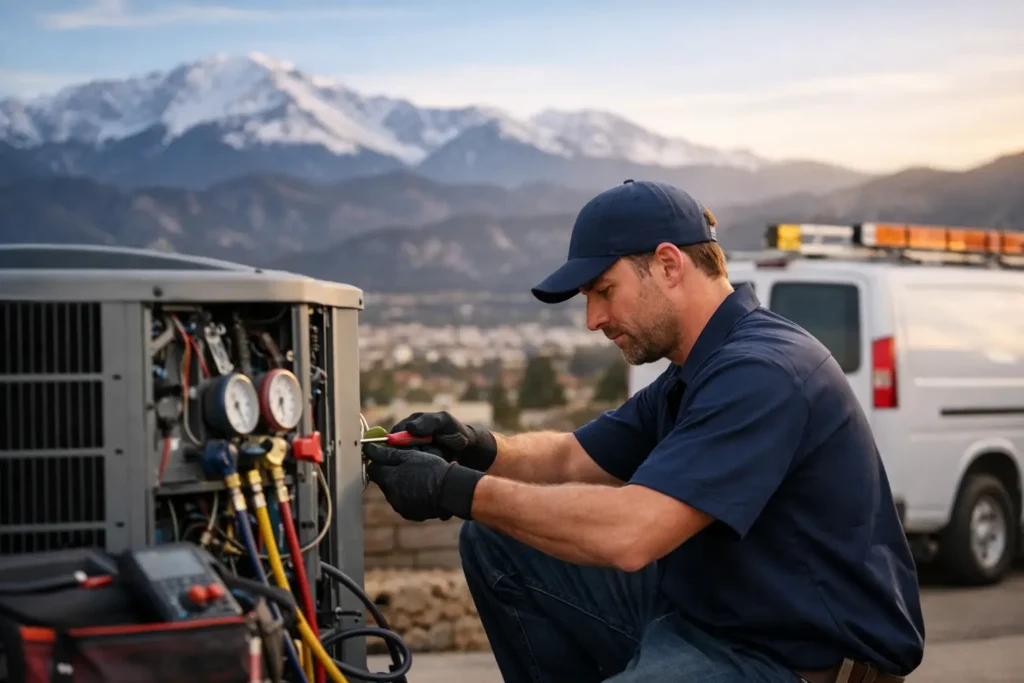
For heat pumps and central AC systems, the outdoor unit does critical work. If it is iced over, blocked by debris, or not running properly, indoor comfort suffers quickly. In colder weather, a heat pump may briefly enter defrost mode. During that cycle, it can blow cooler air indoors for a short period. That is normal if it ends quickly.
What is not normal is frequent icing, long cold-air cycles, or an outdoor unit that hums without operating properly. That usually needs professional diagnosis.
Refrigerant may be low
Low refrigerant can reduce your system’s ability to transfer heat effectively. In cooling mode, that can mean the AC runs but does not cool well. In heating mode on a heat pump, it can mean the system struggles to pull enough heat from outdoors, leading to lukewarm or cold air.
Refrigerant problems are not DIY territory. If levels are low, there is typically a leak or another system issue that needs to be repaired before the charge is corrected.
Electrical or component failure
Capacitors, control boards, relays, sensors, and blower components can all affect how air moves and how conditioned that air feels. In some cases, the fan may run while the heating or cooling cycle does not. That leaves you with airflow, but not comfort.
This is one reason cold air from vents should not be ignored if it continues after you have checked the thermostat and filter. The system may still be operating partially, which can make the problem less obvious at first.
Ductwork issues are affecting delivery
Sometimes the equipment is doing its job, but the air reaching the room is not what it should be. Leaky ducts, disconnected sections, poor insulation, or airflow balancing problems can all change how air feels at the register. In unfinished spaces, duct leaks can pull in very cold air or lose conditioned air before it ever reaches the living area.
This issue is especially relevant in larger homes, mixed-use properties, and commercial spaces where duct systems are more complex.
What you can check safely before calling
There are a few practical steps that make sense before scheduling service. Start by confirming thermostat mode, setpoint, and fan setting. Then inspect the filter and replace it if needed. Look at the indoor vents to make sure they are open and not blocked by furniture or rugs.
If you have a heat pump, check the outdoor unit from a safe distance. Heavy ice buildup, obvious debris, or unusual noises are useful details to note. If you notice frost that does not clear, shut the system off and call for service rather than letting it continue to strain.
Also pay attention to timing. Did the issue start suddenly, after a storm, after changing the thermostat, or after replacing a filter? Those details help narrow down the cause faster.
When cold air is normal and when it is not
This is where context matters. If you have a heat pump in winter, short bursts of cooler air can be normal during defrost mode. If the system quickly returns to regular heating and the space stays comfortable, that may not require repair.
If you have central AC in summer and the air feels cool but the house is still warm, the problem may be low airflow, dirty coils, refrigerant issues, or an undersized system. If the air feels fully unconditioned, the cooling cycle may not be starting at all.
If you have a gas furnace and it is blowing cold air for more than a brief startup period, that is more likely to signal a fault. Furnaces should deliver distinctly warm air once the burner cycle is underway. Repeated cold-air blowing from a furnace should be checked promptly.
Why quick service matters
Waiting too long can turn a manageable repair into a bigger problem. A clogged filter can contribute to stress on the system. A refrigerant issue can reduce efficiency and lead to longer run times. Electrical failures can leave you without heating or cooling when you need it most.
For homeowners, that means discomfort, higher utility costs, and possible equipment wear. For commercial properties, it can affect employees, tenants, customers, and daily operations. Fast diagnosis saves time and often helps avoid unnecessary damage.
If the issue keeps happening, a professional inspection gives you a clearer answer than guesswork. A trained technician can test refrigerant pressures, inspect electrical components, verify airflow, check duct performance, and confirm whether the system is operating as designed.
At Strong Heating and Cooling, we see this problem in several forms because “cold air” means different things on different systems. The right fix starts with identifying whether the problem is a normal operating cycle, a control issue, or a repair need.
Why is my AC blowing cold air? The right answer starts with the right system check
The same symptom can point to a minor setting issue or a more serious mechanical fault. That is why broad advice only goes so far. Your thermostat, equipment type, maintenance history, and airflow conditions all matter.
If your system is blowing air that does not match the setting, trust what you are feeling. Check the safe basics first, then get it looked at if the issue continues. Comfort systems should not leave you guessing, and a clear diagnosis is the fastest way back to reliable indoor comfort.
A good HVAC system does its job quietly in the background. When the air coming from your vents starts telling a different story, it is worth listening early.