That sudden rattle at 10 p.m. is hard to ignore, especially when your AC was running quietly the day before. If you are searching for how to fix noisy AC problems, the first step is not guessing – it is matching the sound to the likely cause so you do not waste time or make the issue worse.
Some air conditioner noises are minor and easy to address. Others are early warning signs of electrical trouble, failing parts, airflow restrictions, or loose components that can lead to a breakdown. A quick response can protect comfort, prevent bigger repairs, and help your system run more efficiently.
How to fix noisy AC by identifying the sound
A noisy air conditioner usually tells you something specific. The sound matters. A buzzing unit points to a different issue than a banging one, and a high-pitched squeal is not treated the same way as a steady clicking noise.
If the noise is buzzing, you may be dealing with loose electrical connections, a failing capacitor, debris around the outdoor unit, or a condenser fan motor problem. If it is rattling, the cause is often simpler – loose screws, a panel that is not secured, sticks or gravel in the outdoor cabinet, or a section of ductwork vibrating when the system starts.
Banging or clanking is more serious. That can mean a loose or broken internal part, an unbalanced blower, or a compressor issue. Screeching often points to a motor bearing problem or a failing belt in older systems. Hissing can mean air leaking from ductwork, but it can also suggest refrigerant loss, which should be handled by a licensed technician. Clicking at startup and shutdown can be normal, but constant clicking may signal a control issue or failing electrical component.
The key is this: if the sound is new, louder than usual, or paired with weak cooling, short cycling, warm air, or a burning smell, treat it as a repair issue instead of a nuisance.
Start with the safe, simple checks
Before opening anything or assuming the worst, turn the thermostat off and do a basic inspection. Many noise complaints come from issues that are visible from the outside.
Check the air filter first. A clogged filter can restrict airflow and create whistling, strain the blower, and make the system work harder than it should. If the filter is dirty, replace it with the correct size and airflow rating. This is one of the simplest answers to how to fix noisy AC performance problems, especially if the sound started gradually.
Next, look at the supply and return vents inside the building. Closed or blocked vents can create pressure imbalances that lead to whistling or booming sounds in the ductwork. Make sure furniture, rugs, or storage items are not restricting airflow.
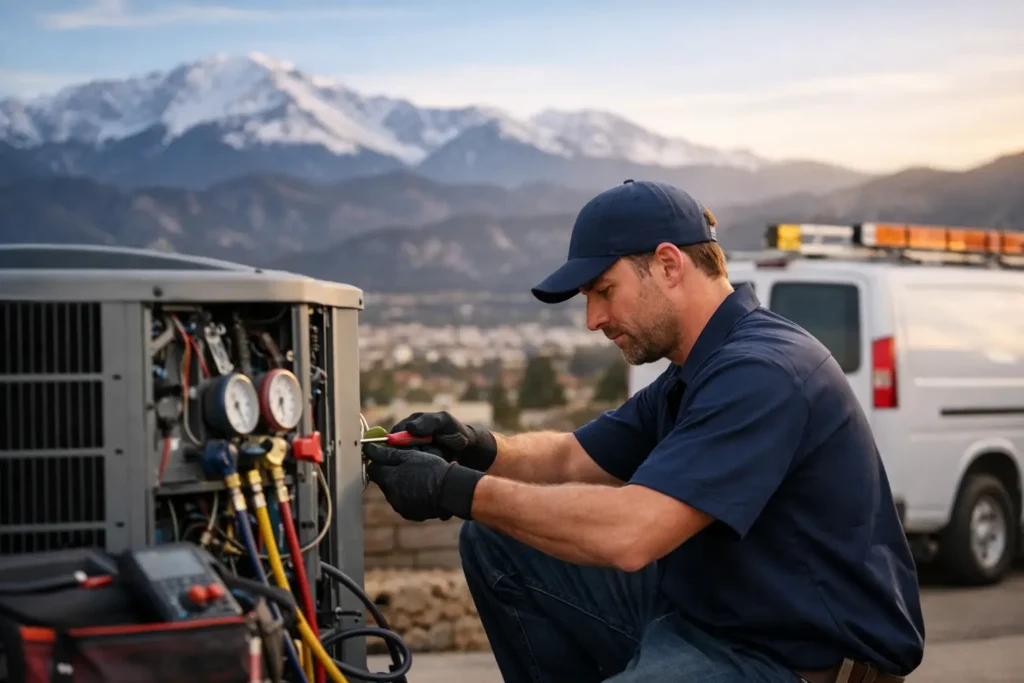
Then inspect the outdoor unit. Leaves, twigs, mulch, and small debris can get into the condenser area and cause rattling or buzzing when the fan runs. Clear away visible debris around the cabinet, but do not reach into the unit or remove protective components unless the power is fully shut off.
Finally, check for loose access panels or screws. Metal panels can vibrate loudly during operation, and a simple tightening may solve the issue. If the noise disappears after securing a panel, that is a good outcome. If it remains, the source is probably deeper in the system.
When airflow is the real problem
A lot of AC noise starts with poor airflow rather than a broken part. That matters because replacing components will not fix a system that is starved for air.
Whistling at vents often means airflow is being forced through a restricted opening. Sometimes the filter is too dirty. Sometimes vents are partially shut. In other cases, ductwork is undersized or leaking. Older homes and commercial spaces can also develop loose duct connections that create popping or rumbling sounds as pressure changes.
If the indoor unit sounds louder than usual, frozen evaporator coils may be part of the problem. Restricted airflow can cause the coil to ice over, and as the system struggles, you may hear unusual fan noise or changes in sound as ice builds. If you suspect freezing, turn the system off and let it thaw before restarting. Continuing to run it can damage components.
This is where it depends on the age and condition of the system. A fresh filter and open vents may solve it. But if the noise keeps coming back, the real issue may be blower performance, duct leakage, or a deeper maintenance problem.
Outdoor unit noises that should not be ignored
The outdoor condenser naturally makes some sound, but it should not be harsh, metallic, or erratic. If it is, do not keep running it for hours hoping it settles down.
A rattling condenser can come from debris, loose fasteners, or a fan blade that has started to wobble. A buzzing sound may come from electrical components under strain. A hard banging noise can mean a compressor issue, and compressor repairs are not something to delay. Once that part is damaged, repair costs can climb quickly, and replacement may become the better investment.
If the unit is mounted on an uneven pad or the hardware has loosened over time, vibration can travel into the structure and make the noise seem worse than it is. In some cases, correcting the mounting or replacing worn isolation pads reduces the sound significantly. In other cases, vibration is only a symptom of a failing motor or fan assembly.
For homeowners and property managers, this is the trade-off: a minor vibration problem is often affordable to correct early, while waiting can turn it into part failure and lost cooling.
Electrical sounds require caution
Buzzing, repeated clicking, or humming without normal startup should always be taken seriously. Air conditioners rely on capacitors, contactors, relays, and wiring connections that can wear out over time. When they do, the system may struggle to start, run loudly, or stop unexpectedly.
This is not the place for trial-and-error repairs. Electrical components hold power, and misdiagnosis can create safety risks. If the breaker is tripping, the condenser hums but does not start, or the noise is paired with a burning odor, shut the system down and schedule service.
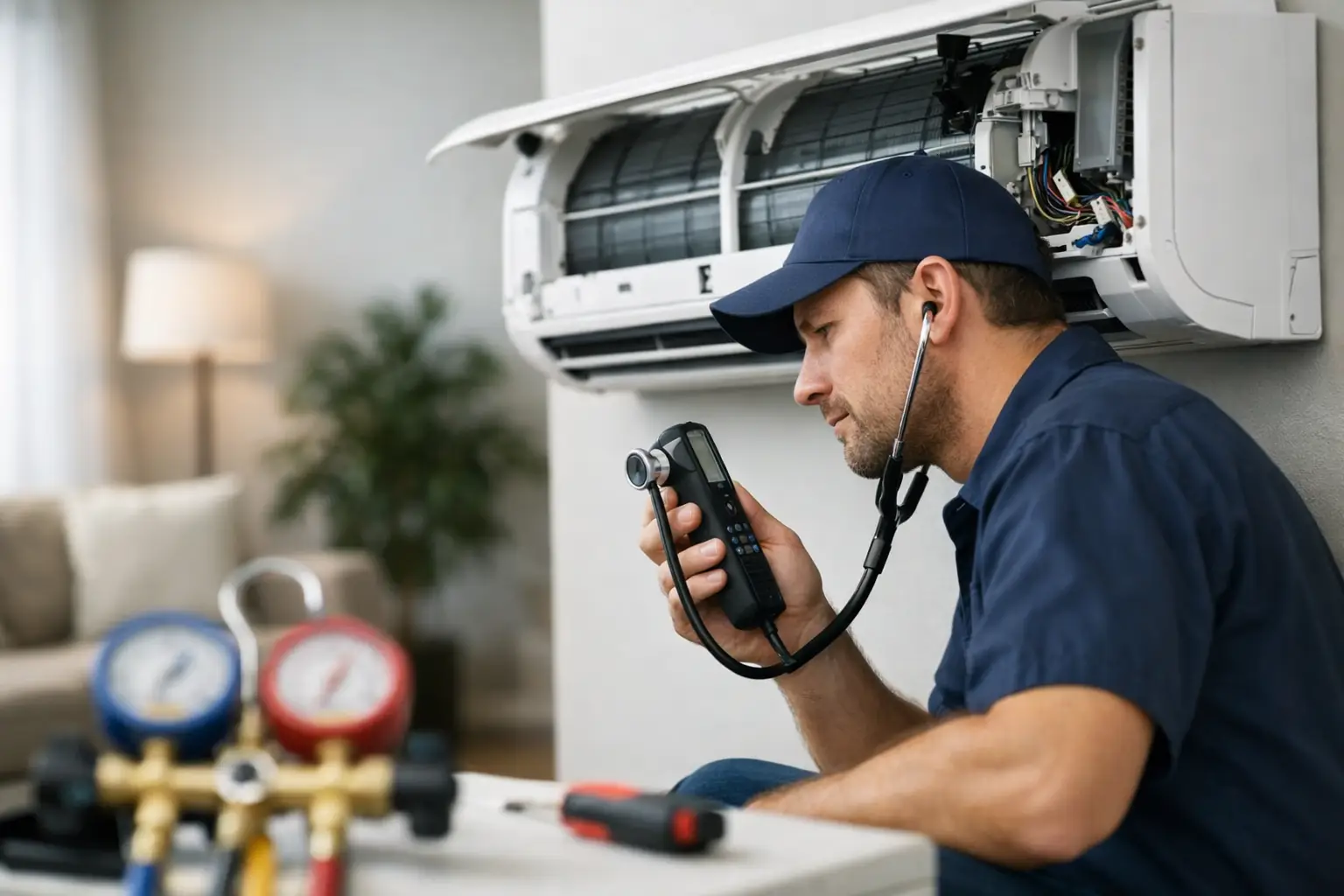
A trained HVAC technician can test the electrical side properly, confirm whether the capacitor or contactor is failing, and check whether the motor is drawing more power than it should. That kind of diagnosis protects both the equipment and the building.
How to fix noisy AC issues without causing more damage
There is a difference between basic maintenance and repair work. Replacing a filter, clearing visible debris, and making sure vents are open are reasonable first steps. Taking apart motors, reaching into the condenser, or trying to handle refrigerant issues is not.
A common mistake is continuing to run a noisy system because it is still producing some cool air. That can backfire. A worn bearing can seize. A loose fan blade can damage surrounding parts. A refrigerant issue can reduce efficiency while stressing the compressor. What starts as a noise problem can become a no-cooling call during the hottest part of the week.
If the system is under warranty, DIY repairs may also create complications. Professional service protects that investment and gives you a clearer picture of whether the issue is isolated or part of broader wear.
When it is time to call an HVAC professional
If the noise is banging, screeching, hissing, or electrical in nature, call for service. The same goes for sounds paired with poor airflow, uneven temperatures, water leaks, frozen coils, short cycling, or rising utility bills.
For commercial properties, the threshold should be even lower. Unusual rooftop unit noise or loud cycling in a business space can disrupt customers, staff, and operations long before the system fully fails. Early service is usually the more cost-effective move.
In Colorado’s dry climate and wide temperature swings, HVAC systems can see heavy seasonal demand. That makes routine maintenance more than a nice extra. Seasonal inspections often catch loose parts, worn motors, dirty coils, and failing electrical components before they start making noise at all. Strong Heating and Cooling sees this often – small warning signs are much easier to handle than emergency failures.
A good service visit should not feel vague. You should get a clear explanation of the source of the noise, what needs immediate attention, what can wait if anything, and what the repair will cost before work moves forward.
Preventing the next noisy AC problem
Most noise issues are easier to prevent than to repair. Regular filter changes, keeping the outdoor unit clear, and scheduling maintenance before peak cooling season all help. So does paying attention to small changes. AC systems rarely go from perfectly quiet to severely damaged without giving some warning first.
If your unit has started making a new sound, trust that instinct. You know what normal sounds like in your home or building. Acting early gives you more repair options, lowers the odds of surprise breakdowns, and helps keep cooling dependable when you need it most.
The best next step is simple: if the noise is minor, start with the safe checks. If it sounds sharp, persistent, or out of character, have it inspected before a manageable repair turns into a much bigger one.