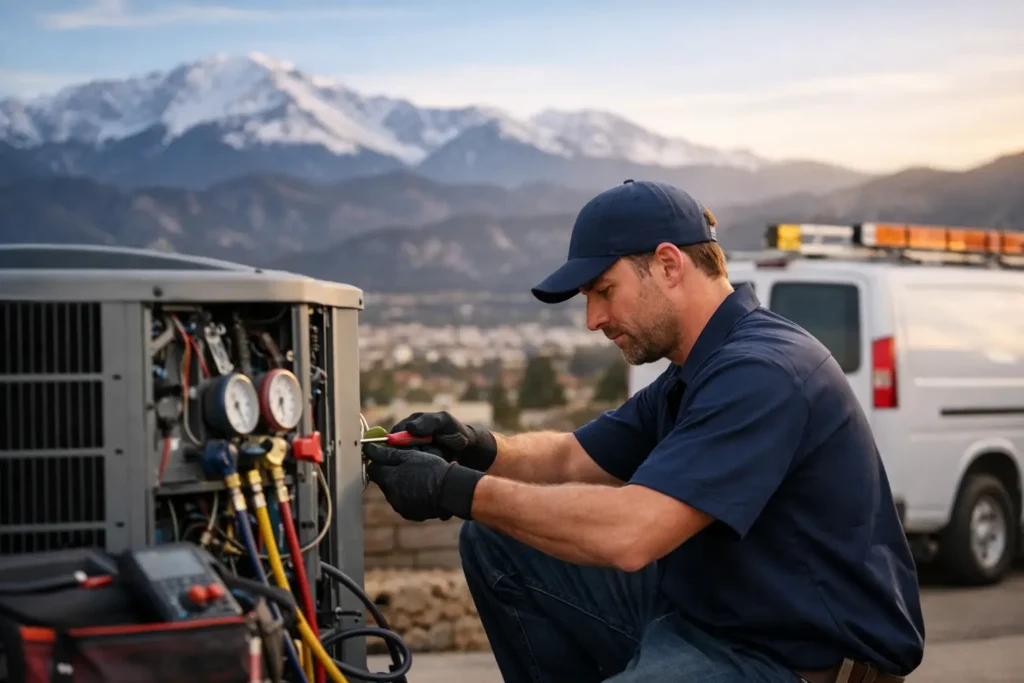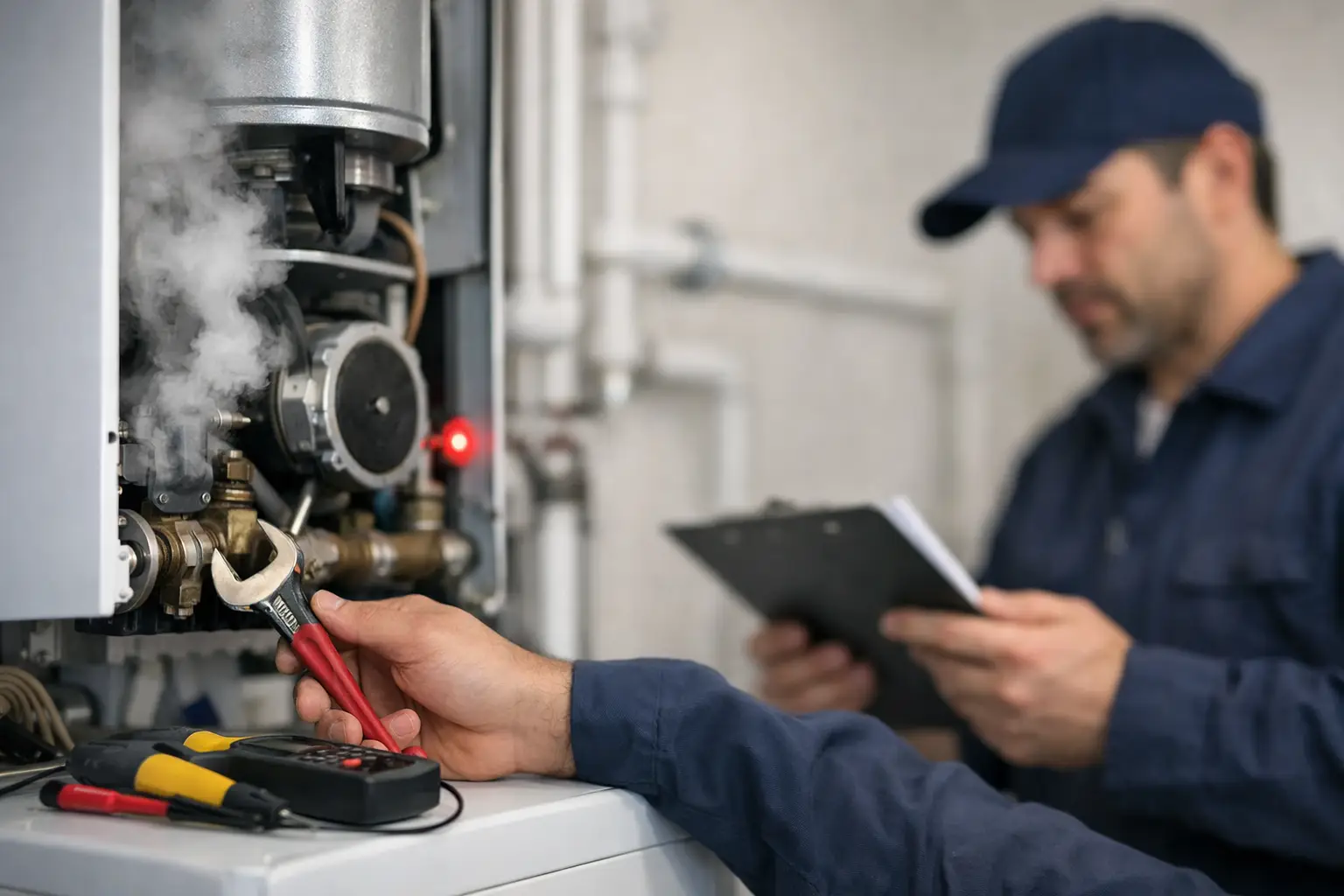
A boiler rarely quits without warning. More often, it starts with a new sound in the basement, rooms that take longer to warm up, or a spike in utility costs that does not make sense. If you are noticing signs boiler needs repair, acting early can save you from a no-heat emergency, water damage, or a much larger repair bill.
For homeowners and property managers, the challenge is knowing what is normal wear and what points to a real problem. Boilers are built to last, but they still rely on pressure, pumps, valves, ignition components, and heat exchangers working together correctly. When one part starts to struggle, the whole system can lose efficiency or fail altogether.
Common signs boiler needs repair
Some warning signs are obvious. Others are easy to ignore until the system stops working on the coldest day of the season. Here are the issues worth taking seriously.
1. Strange noises from the boiler
A healthy boiler is not always silent, but loud banging, whistling, kettling, gurgling, or vibrating should not be brushed off. These sounds can point to mineral buildup, trapped air, pressure problems, or a failing pump.
Kettling is especially common in older systems or areas with hard water. It happens when scale buildup restricts water flow and causes overheating inside the heat exchanger. The noise might seem minor at first, but the extra strain can shorten the life of critical components.
2. Uneven heating around the building
If some rooms stay comfortable while others feel cold, your boiler may not be distributing heat properly. In a home, this might show up as one level heating well while another lags behind. In a commercial property, tenants or staff may start noticing hot and cold spots across the space.
Uneven heating does not always mean the boiler itself is the only issue. It could involve air in the lines, circulation pump problems, thermostat issues, or balancing problems in the system. Still, it is a sign that the heating system needs professional attention.
3. Rising energy bills without a clear reason
When a boiler starts losing efficiency, it often has to run longer and work harder to produce the same level of heat. That usually shows up on your monthly utility bill before it shows up as a complete breakdown.
A gradual increase can be easy to overlook, especially in winter when heating costs naturally rise. But if usage habits have not changed and bills keep climbing, the system may be struggling with worn parts, dirty components, poor combustion, or internal scale buildup.
4. Low boiler pressure
Most boilers need to operate within a specific pressure range to heat effectively. If the pressure keeps dropping, the system may have a leak, a faulty pressure relief valve, or a problem with the expansion vessel.
Low pressure can lead to poor heating performance and may eventually prevent the system from operating at all. If you have to keep topping off the pressure, that is not normal. It is usually a sign something inside the system needs repair.
Signs boiler needs repair before it fails completely
Many service calls happen after a full shutdown, but there is usually a window where the boiler is still running while clearly asking for help.
5. Water leaks around the unit
Water around a boiler is never something to ignore. Even a small leak can lead to corrosion, electrical issues, damaged flooring, or failure of nearby components.
The source matters. Some leaks come from loose fittings or valve problems, while others can point to pump seal failure, excessive pressure, or internal corrosion. In some cases, the fix is straightforward. In others, the leak may signal that the boiler is aging out. That is why a proper diagnosis matters instead of guessing.
6. The pilot light goes out or the burner will not stay on
If your boiler has a pilot light and it keeps going out, or if the burner cycles irregularly, there may be an issue with ignition components, thermocouples, gas supply, or ventilation. Newer systems can show similar problems through lockouts or repeated restart attempts.
This is one area where waiting is not worth it. A boiler that struggles to ignite is unreliable at best and potentially unsafe at worst. Fuel-burning equipment should always be inspected by a qualified technician when combustion or ignition problems show up.
7. The boiler turns on and off too often
Short cycling means the boiler fires up, runs briefly, then shuts off before completing a normal heating cycle. This can happen because of thermostat problems, circulation issues, overheating, incorrect sizing, or internal component trouble.
Short cycling wastes energy and adds wear to the system. It can also leave the building feeling less comfortable because the heat delivery never stabilizes. If this pattern keeps happening, the boiler is not operating the way it should.
8. Visible corrosion or age-related wear
Rust, staining, mineral deposits, and corrosion around pipes or on the boiler cabinet are signs that moisture or age is catching up with the system. That does not always mean replacement is immediate, but it does mean the system should be evaluated.
Older boilers can still perform well when maintained properly. At the same time, repairs on an aging unit become less cost-effective over time. If your boiler is older and showing visible wear along with performance issues, it may be time to compare the cost of repair against the value of replacement.
When repair makes sense and when it may not
Not every boiler problem points to the end of the system. A failed circulator pump, faulty valve, pressure issue, or thermostat problem may be very repairable if caught early. In those cases, a professional repair can restore performance and help you avoid a major interruption.
There are also situations where repair is only a short-term fix. If the heat exchanger is compromised, leaks are widespread, parts are becoming hard to source, or the unit is near the end of its service life, replacement may make better financial sense. The right answer depends on the age of the boiler, the type of failure, energy efficiency, and how often the system has needed service recently.
For commercial clients, that decision also comes down to downtime. A business, multi-unit property, or facility may choose replacement sooner simply because reliability matters more than extending an aging system by one more season.
Why fast action matters in Colorado heating season
Cold weather puts every heating system under more stress, and boiler issues tend to get worse when demand is highest. In Colorado Springs and across El Paso County, a delay that seems manageable on a mild day can turn into an urgent problem when temperatures drop overnight.
Early service usually gives you more options. You may be able to schedule repair before a complete failure, avoid secondary damage, and keep the rest of the heating system from being strained. Waiting often means fewer choices, more inconvenience, and a greater chance of emergency service.
What to do if you notice boiler warning signs
Start with the basics. If the thermostat settings are correct and the issue keeps happening, do not keep resetting the boiler and hoping it clears itself. Repeated restarts can mask the real problem and sometimes make diagnosis harder.
Pay attention to what you are seeing and hearing. Is the pressure dropping? Is there water near the unit? Are certain zones colder than others? That information can help a technician pinpoint the issue faster.
Most importantly, do not ignore combustion concerns, leaks, or loss of heat. A professional inspection can confirm whether the issue is minor, urgent, or a sign the system is nearing replacement. Strong Heating and Cooling works with residential and commercial boiler systems and focuses on clear recommendations, prompt service, and honest pricing so customers know exactly what comes next.
A boiler does not need to fail completely to tell you something is wrong. If the system is noisier, less efficient, slower to heat, or showing signs of wear, getting it checked now is usually the smarter move than waiting for a cold-weather breakdown.