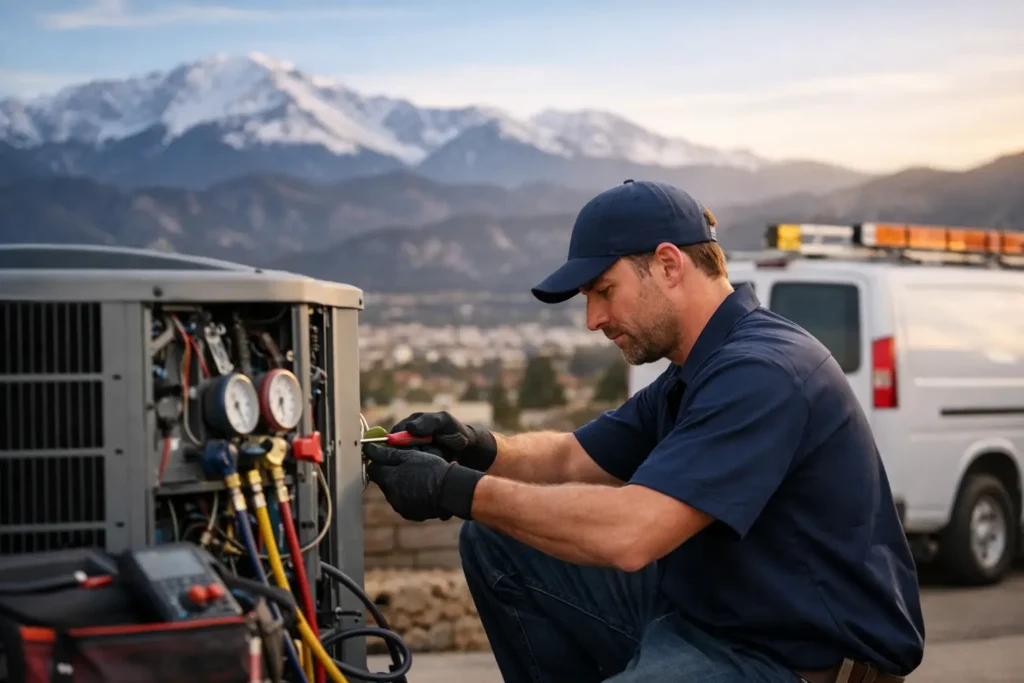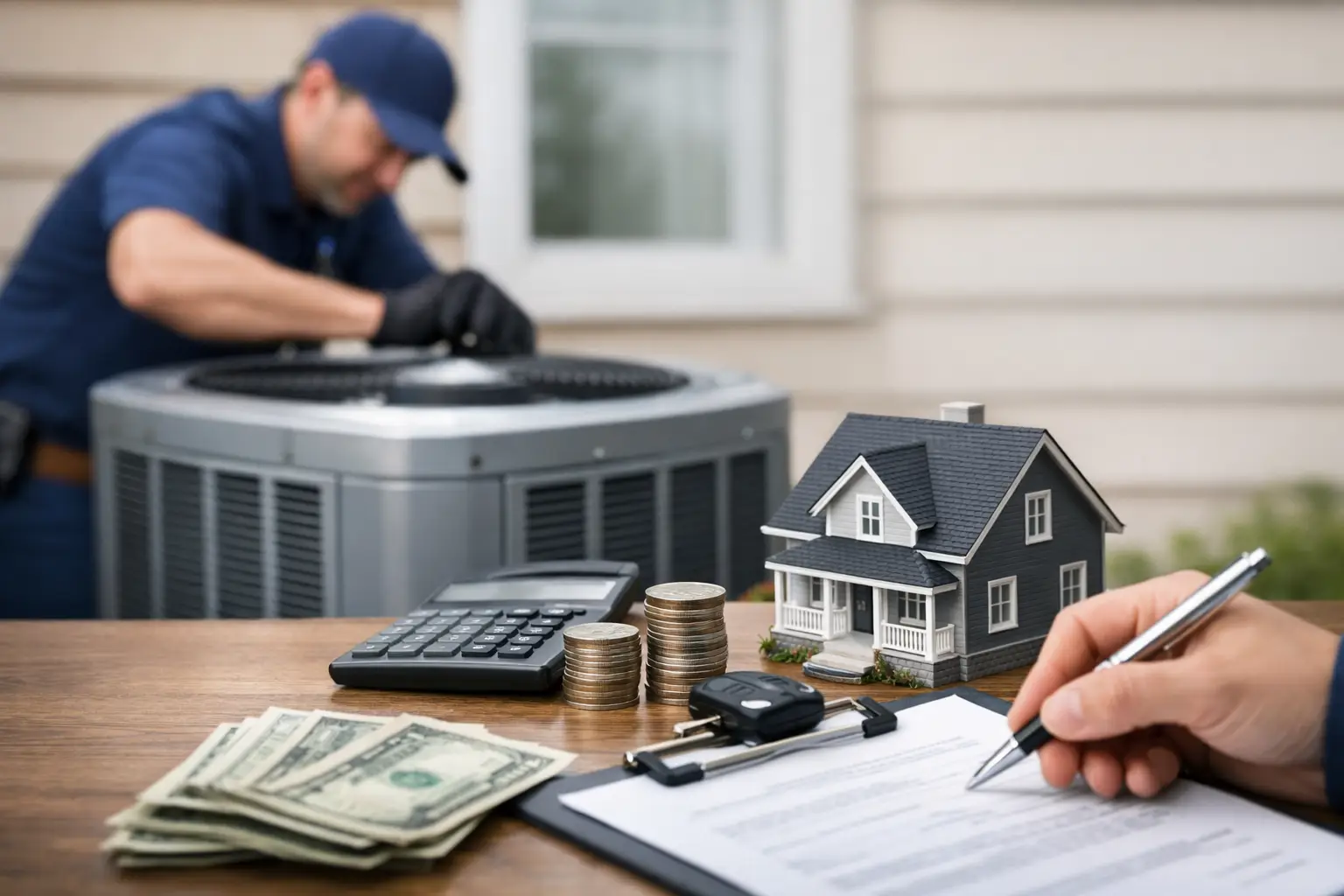
When your furnace quits in January or your AC gives out during a hot stretch, waiting until you have the full replacement cost in cash usually is not realistic. That is why financing options for HVAC replacement matter so much. The right plan can help you restore comfort quickly, protect your budget, and avoid settling for a system that is cheaper upfront but more expensive to run.
Most homeowners and property managers are not just asking, Can I afford a new system? They are asking, What is the smartest way to pay for it without creating a bigger problem later? That is the real decision. Financing is not only about getting approved. It is about matching the payment method to your timeline, your energy goals, and the kind of equipment your property actually needs.
How financing options for HVAC replacement usually work
HVAC replacement financing is typically offered through one of three paths: contractor-sponsored financing, personal lending, or property-based funding programs where available. In commercial settings, leasing or equipment financing may also come into play. Each path solves a different problem, so the best choice depends on how urgent the replacement is and how much flexibility you need.
Contractor financing is often the fastest route. Many HVAC companies work with lending partners that offer fixed monthly payments, promotional periods, or different term lengths. This can be appealing when you need a quick installation and want the financing process tied directly to the quote. You review the equipment options, see the estimated payment ranges, and decide what fits.
Personal loans are more independent. You secure funding through a bank, credit union, or online lender and then use that money to pay for the replacement. Some customers prefer this because it lets them separate the financing decision from the installation decision. It can also be helpful if you want to compare several contractors without financing offers steering the conversation.
For larger buildings or business properties, equipment financing or leasing may make more sense than a standard consumer loan. That is especially true when cash flow matters more than ownership speed, or when a business wants to preserve working capital for other operating needs.
Dealer financing: convenient, but read the details
Dealer financing is popular for a reason. It is convenient, often quick to apply for, and designed for replacement projects that need to move fast. If your existing system has failed, speed matters. You do not want to spend days chasing separate funding while the house is cold or a commercial space is uncomfortable for customers and staff.
That said, convenience should not replace careful review. Some dealer plans include promotional terms such as deferred interest or low monthly payments at the start. Those offers can be useful, but only if you understand exactly when the promotional period ends and what happens after it does. A low payment can look manageable until the standard interest rate kicks in.
Ask for the full picture in writing: the interest rate, the term length, the total financed amount, monthly payment, and any penalties for late payment. If the financing offer includes a no-interest window, make sure you know whether interest is waived entirely or simply delayed. That difference matters.
Personal loans and home equity options
If you have strong credit, a personal loan may offer clear terms and fixed payments without tying the financing to your home. That simplicity appeals to many homeowners. You borrow a set amount, repay it on a fixed schedule, and move on. There is less guesswork, and approval can still be fairly quick depending on the lender.
Home equity loans or lines of credit can sometimes offer lower rates than unsecured loans because the borrowing is backed by your property. For a planned HVAC replacement, that can be attractive. But it is not ideal for every situation. Approval may take longer, closing costs can apply, and your home is part of the equation. For an emergency replacement, that timeline may not work.
This is where priorities matter. If your main concern is lowest possible borrowing cost, a home equity option may be worth considering. If your main concern is getting heat or cooling restored this week, a faster financing route may be the better fit even if the rate is somewhat higher.
Financing options for HVAC replacement and monthly budget planning
A monthly payment only helps if it is sustainable. One of the most common mistakes people make is focusing only on whether they can get approved, not whether the payment works comfortably alongside utilities, insurance, groceries, and everything else.
A better approach is to compare the payment with the likely operating savings of the new system. A high-efficiency heat pump, furnace, or AC system may reduce monthly energy costs, but the savings vary based on equipment type, insulation, usage habits, and the condition of your ductwork. Do not assume the utility savings will fully offset the loan payment. Sometimes they help a lot. Sometimes they help only a little.
It also helps to think in terms of total ownership cost, not just installation price. An older or undersized replacement system may carry a lower upfront price, but if it struggles to keep up, breaks down more often, or wastes energy, it can cost more over time. Financing a better-fit system can be the more practical decision if the numbers support it.
Rebates, promotions, and tax incentives can change the math
Financing is only one part of the affordability conversation. Depending on the equipment, there may be manufacturer promotions, utility rebates, or tax incentives that reduce your net cost. High-efficiency systems and certain heat pump installations are the most common examples.
These savings do not always arrive at the same time. A contractor discount may lower the initial quote right away, while a rebate or tax credit may come later. That timing matters when you are budgeting. It is smart to ask whether the financing amount is based on the pre-incentive cost or what you expect to recover later.
This is especially relevant in Colorado, where seasonal performance and energy efficiency can have a real impact on comfort and operating cost. A system recommendation should account for the climate, the building layout, and how the space is used, not just the sticker price.
What commercial clients should consider
For commercial properties, HVAC financing decisions usually involve more than replacing a broken unit. Downtime, tenant comfort, indoor air quality, and maintenance planning all affect the choice. A small business owner may want the lowest monthly payment possible, while a facilities manager may be more focused on equipment lifespan and service continuity.
Commercial equipment financing can preserve cash for payroll, inventory, or other business needs. That can be a smart move, especially when replacing rooftop units, boilers, or larger water heating systems. But commercial clients should also look closely at maintenance obligations, warranty terms, and whether phased replacement is possible.
Sometimes the best financial decision is not replacing everything at once. In other cases, doing one major project now is cheaper than piecemeal fixes over two or three years. The right answer depends on system condition, building demands, and how disruptive another failure would be.
Questions worth asking before you sign
Before agreeing to any financing plan, ask a few practical questions. Is the monthly payment fixed for the full term? Are there prepayment penalties? Does the equipment quote include all labor, permits, and accessories, or could costs increase later? If you are comparing systems, what is the difference in monthly payment between standard and high-efficiency equipment?
You should also ask whether the contractor is sizing the system correctly and evaluating the full installation, not just swapping equipment. Financing a replacement that is poorly matched to the home or building is still a bad investment.
A trustworthy contractor will be straightforward about pricing, realistic about savings, and clear about what is included. That kind of transparency matters as much as the financing offer itself.
If you are weighing financing options for HVAC replacement, the goal is not to find the flashiest promotion. It is to choose a payment path that supports reliable comfort without putting unnecessary strain on your budget. A good plan gives you room to solve the problem now and feel good about the decision long after the install is done.