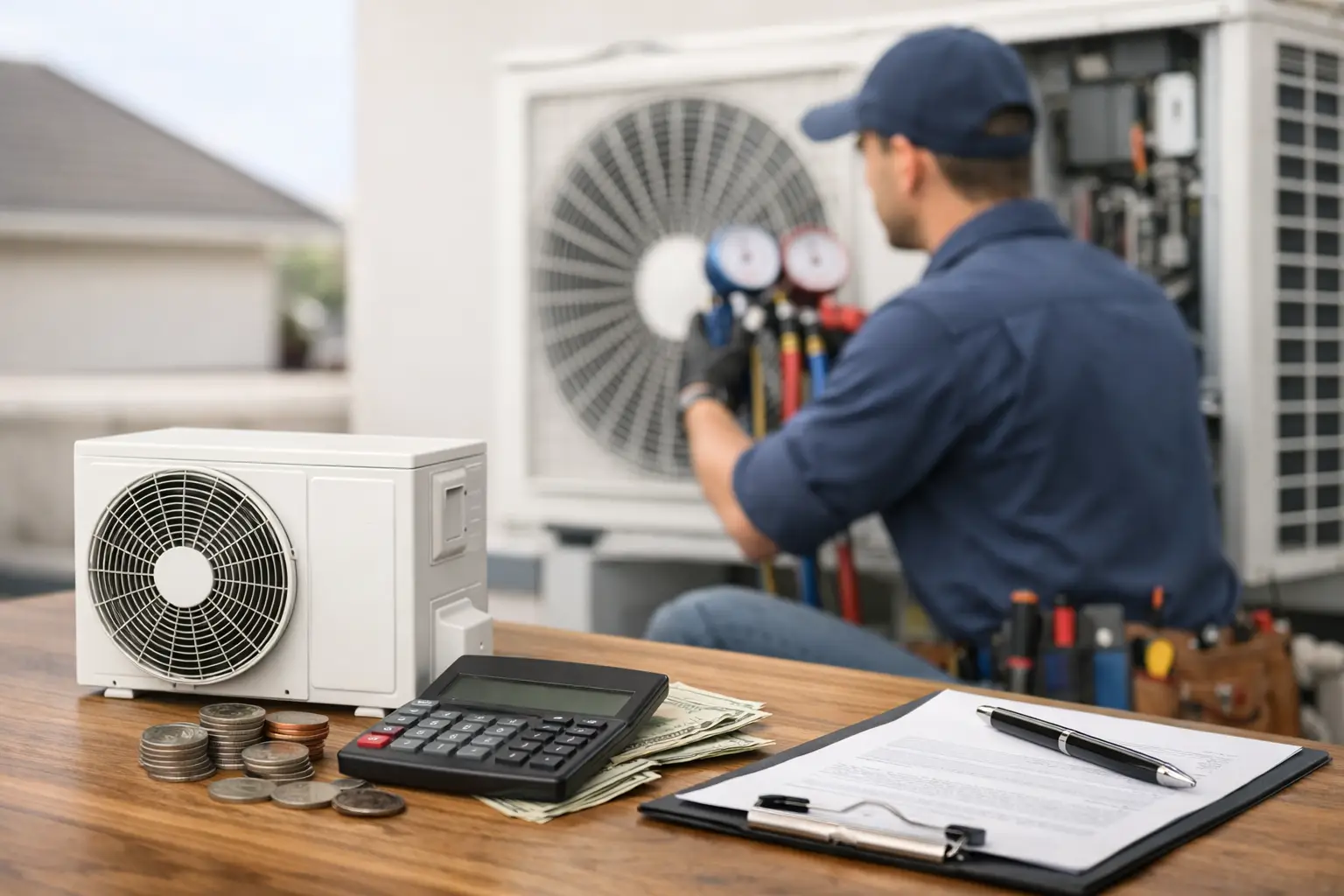
When your AC quits on a hot afternoon or your furnace starts acting up before a cold snap, the first question is usually simple: what affects HVAC service pricing? Most people are not looking for a technical breakdown. They want to know why one visit costs less than another, what is actually worth paying for, and how to avoid surprises.
The short answer is that HVAC pricing is based on labor, parts, time, system complexity, and the conditions around the job. But that only tells part of the story. Two homes can have the same model of furnace and still end up with very different service bills because access, urgency, maintenance history, and the real cause of the problem all matter.
What affects HVAC service pricing most?
The biggest factor is the type of work being done. A routine tune-up is priced very differently than an after-hours repair, and a straightforward part replacement is different from diagnosing an issue that has several possible causes. HVAC systems are connected to electrical components, airflow, refrigerant, venting, and controls. That means the service call is often about more than one broken piece.
Pricing also reflects the skill required to solve the problem correctly. A trained technician is not just swapping parts. They are checking performance, safety, code considerations, and whether fixing one issue will expose another. That matters for both residential and commercial systems, especially when reliability is on the line.
Type of system being serviced
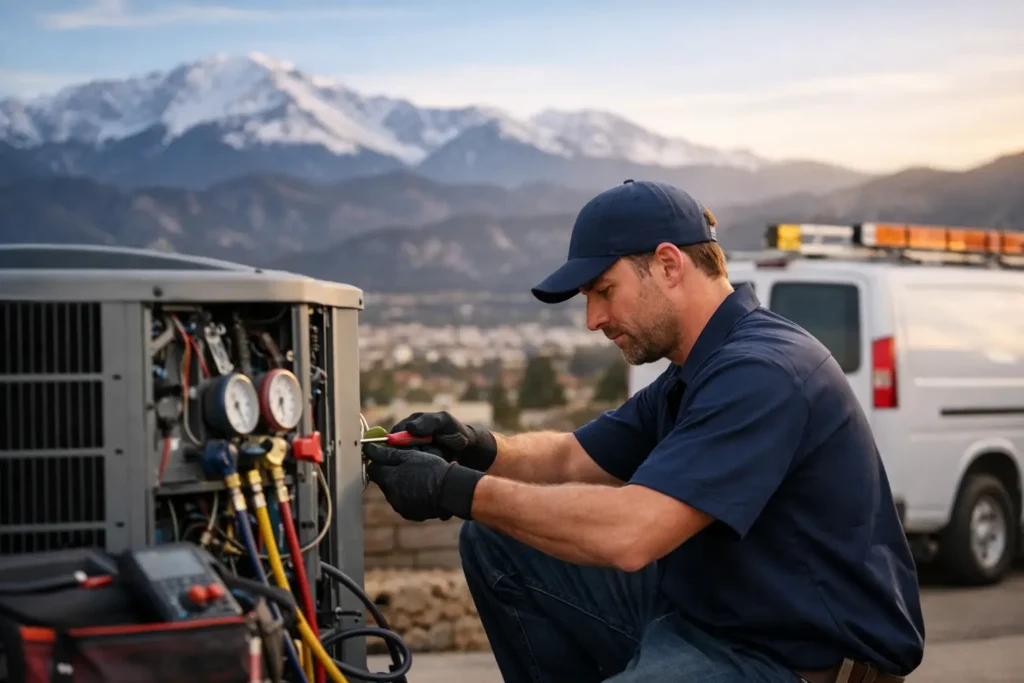
Not every HVAC system is built the same, and pricing follows that reality. Central air conditioners, heat pumps, furnaces, boilers, mini splits, swamp coolers, and rooftop units all have different service demands. Some require refrigerant work, some involve combustion safety checks, and some depend heavily on electrical testing or airflow balancing.
Commercial equipment often costs more to service because it is larger, more specialized, and sometimes harder to access. A rooftop unit for a business, for example, may require additional time, safety precautions, and coordination to avoid disrupting operations.
Repair versus maintenance versus replacement
Maintenance visits are usually the most predictable because the scope is known in advance. Repairs are less predictable because the technician has to identify the root problem before giving a full recommendation. Replacements involve an even wider pricing range because equipment size, efficiency level, installation conditions, and code updates can all affect the final cost.
This is why a low service call fee does not tell you much by itself. The real value comes from accurate diagnosis and a clear explanation of options.
Labor time and diagnostic work
Labor is one of the most important parts of HVAC pricing. Some issues are obvious. Others take time to trace. If a system is short cycling, tripping breakers, leaking water, or failing intermittently, the technician may need to test several components before finding the true cause.
That time matters because HVAC systems are interconnected. A thermostat issue can look like an equipment problem. Poor airflow can make a coil freeze and appear to be a refrigerant issue. A noisy furnace might be a simple blower problem, or it might point to a larger wear issue. Good diagnostic work protects you from paying for the wrong repair.
Access also affects labor. An attic unit in a tight space is different from a system in an open mechanical room. Older properties can add complexity too, especially if previous repairs were not done well or if components are no longer standard.
Parts availability and equipment age
Parts are another major pricing factor, but not just because of the part cost itself. Availability matters. If a common capacitor or contactor is needed, the repair may be relatively straightforward. If the system needs a specialized motor, control board, inducer assembly, or proprietary part, the cost can rise quickly.
Older systems often cost more to repair for two reasons. First, parts may be harder to source. Second, the technician may need to work around wear in other areas of the system. Replacing one failed part in an aging unit does not always restore full reliability, and an honest contractor should explain that trade-off.
In some cases, repair is still the right move. In others, spending more on an old system starts to make less financial sense than replacing it with something more efficient and dependable. That is not a sales tactic when it is backed by the actual condition of the equipment.
Timing, season, and emergency service
If you have ever called for HVAC service during a heat wave or right before a winter storm, you have seen how timing affects availability and pricing. Peak seasons increase demand. Emergency calls after hours, on weekends, or on holidays usually cost more because they require immediate response outside normal scheduling.
That does not mean emergency service is overpriced. It means you are paying for speed, availability, and the ability to get help when most businesses are closed. For many families and businesses, that extra cost is worth it when comfort, safety, or operations are at risk.
Planning ahead helps when possible. Preventive maintenance can catch worn parts, airflow problems, and efficiency issues before they turn into urgent breakdowns. That is often the most practical way to control HVAC costs over time.
What affects HVAC service pricing in your specific situation
The same repair can be priced differently depending on the exact jobsite conditions. Square footage, equipment location, duct condition, electrical setup, drainage, and ventilation all shape the amount of work involved. If a furnace is easy to reach and the issue is isolated, service may be fairly quick. If the equipment is tucked into a cramped attic with limited clearance, labor can increase.
The condition of the system also matters. A well-maintained unit is generally easier to service than one with heavy dust buildup, neglected filters, blocked coils, or signs of repeated strain. Maintenance does not make a system immune to repairs, but it often reduces the severity and cost of problems.
Local climate can play a role as well. In Colorado’s temperature swings, systems often work hard across multiple seasons. That kind of use can reveal weaknesses faster, especially in older equipment that has seen years of heating and cooling demand.
Energy efficiency and upgrade decisions
Higher-efficiency systems can lower utility bills, but they may involve different service costs depending on the design and components. Variable-speed equipment, advanced thermostats, and heat pumps can offer strong performance and better comfort control, but they also require technicians who understand those systems well.
That is not a reason to avoid efficient equipment. It is simply part of owning more advanced technology. The upside is better comfort, improved energy use, and often quieter operation. The trade-off is that proper installation and skilled service matter even more.
If you are facing a major repair, it is worth comparing the repair cost against the age, efficiency, and condition of the system. A dependable contractor should walk you through both options without pressure.
Residential and commercial pricing are not the same
Homeowners and commercial clients often ask why commercial HVAC service tends to cost more. The answer is usually scale and complexity. Commercial systems are built for larger loads, longer operating hours, and more varied control requirements. They may serve multiple zones, support specialized ventilation needs, or require rooftop access and coordination around business activity.
Residential systems are usually simpler, but even then, pricing can vary based on whether the job involves a furnace, boiler, heat pump, mini split, or water heater. A fair estimate should reflect the actual equipment and conditions, not a one-size-fits-all number.
How to avoid pricing surprises
The best way to manage HVAC costs is to work with a contractor that explains the diagnosis clearly, outlines your options, and gives straightforward pricing before major work begins. That sounds basic, but it makes a real difference. You should know what problem was found, what repair is recommended, and whether there are any risks in choosing a short-term fix.
It also helps to schedule maintenance, replace filters on time, and pay attention to small warning signs like odd noises, weak airflow, short cycling, rising utility bills, or uneven temperatures. Problems caught early are often less expensive than failures that spread to other parts of the system.
For property owners and businesses, consistency matters too. Keeping service records and staying ahead of aging equipment can make budgeting much easier from year to year.
At the end of the day, HVAC pricing is not just about the part that failed. It is about the time, skill, equipment, and judgment required to restore comfort safely and reliably. If you want the lowest number only, you may get a temporary fix. If you want fewer surprises and better long-term value, clear diagnosis and quality workmanship are usually where the money is best spent.