A cold shower usually gives you about five seconds to realize something is wrong. Maybe the hot water runs out halfway through the morning routine, the tank starts leaking, or your business suddenly cannot keep up with daily demand. When you need water heater repair Colorado Springs property owners can count on, speed matters – but so does getting the diagnosis right.
Some water heater problems are minor. Others are early warnings that the unit is close to failure. The difference is not always obvious from the outside, which is why a clear inspection and an honest recommendation matter. A good repair should solve the actual issue, not just quiet the symptom for a week.
What usually goes wrong with a water heater
Most service calls start with one of a few familiar complaints. No hot water is the most obvious, but inconsistent temperature, rumbling sounds, rusty water, low hot water volume, and visible leaks are just as common. Gas and electric units can fail in different ways, and tankless systems bring their own maintenance and repair needs.
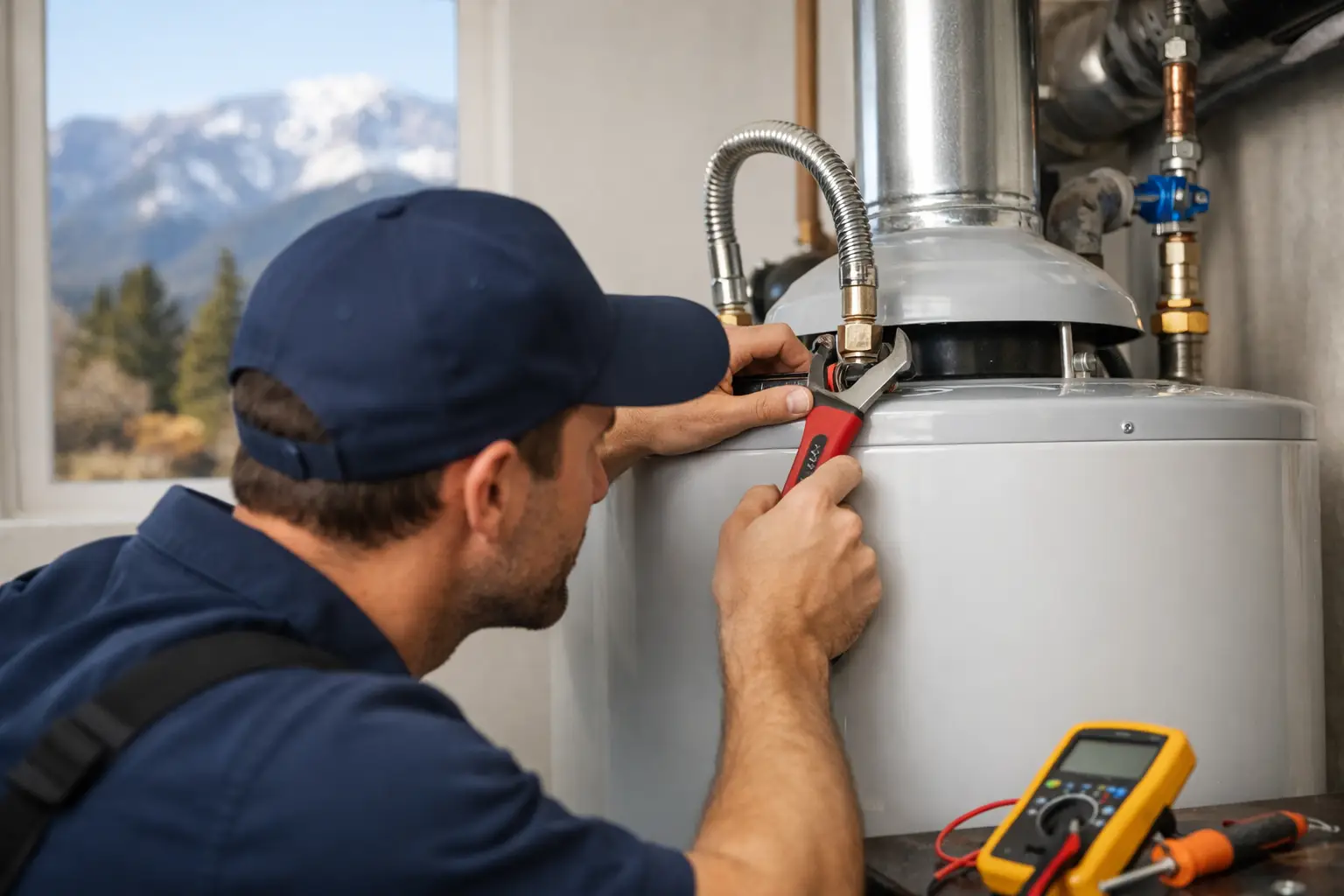
On a standard tank water heater, heating elements, thermostats, gas control valves, pilot assemblies, pressure relief valves, and anode rods can all affect performance. Sediment buildup is another big factor, especially when a unit has gone years without flushing. That buildup forces the system to work harder, reduces efficiency, and can shorten equipment life.
Leaks deserve extra attention because the source matters. A loose fitting or failing valve may be repairable. A leaking tank body is a different story. If the tank itself has corroded through, replacement is usually the practical answer.
Water heater repair in Colorado Springs: when to call fast
Some issues can wait a day or two for a scheduled appointment. Others should be handled right away. If you smell gas near a gas water heater, notice active leaking around the tank, hear loud popping or banging, or lose hot water completely in a home or commercial property that depends on it daily, it is time to call for prompt service.
Commercial clients often feel this urgency first. A restaurant, office, salon, or multifamily property may not have much room for downtime. Even in a home, no hot water quickly turns into a larger disruption, especially during colder weather.
Electrical concerns also need quick attention. If a breaker repeatedly trips when the water heater runs, the problem could involve wiring, heating elements, or internal electrical components. Resetting the breaker without fixing the cause is not a real solution.
Repair or replace? It depends on the unit
This is where experience matters. Not every struggling water heater needs to be replaced, and not every repair is worth the cost. Age, condition, efficiency, repair history, and the type of failure all come into the decision.
If the unit is fairly new and the problem is isolated, repair usually makes sense. A failed thermostat, heating element, igniter, or valve can often be fixed without replacing the whole system. If the unit is older, has corrosion issues, or has needed multiple repairs in a short period, replacement may be the better long-term value.
For many tank models, the 8- to 12-year range is where these conversations become more common. Some units last longer with proper maintenance, but age does raise the chances of internal wear. Commercial equipment may face heavier daily demand, so the timeline can look different depending on usage.
The right recommendation should be straightforward. If a repair will give you reliable performance, that should be said clearly. If replacement is the smarter investment, you should hear that too – along with transparent pricing and realistic expectations.
Common signs your water heater is close to failing
A water heater rarely fails without warning. The signs just tend to build slowly until they become impossible to ignore. If hot water does not last as long as it used to, if the system takes too long to recover, or if water temperature swings from hot to lukewarm without reason, the unit is telling you something.
Discolored water can point to corrosion inside the tank or plumbing system. Strange noises often mean sediment has collected at the bottom and is hardening with repeated heating cycles. Moisture around the base of the tank, even if it seems minor, should not be dismissed.
For commercial properties, the signs may show up as complaints from tenants, customers, or staff before the equipment fully stops working. A small performance drop can become a bigger operational problem quickly.
Why professional diagnosis saves time and money
Water heaters look simple from the outside, but the actual cause of failure is not always obvious. A unit that is not heating could have a bad thermostat, a failed element, a tripped reset, a control issue, a venting problem, or a gas supply issue. Replacing parts without confirming the root cause can waste time and money.
That is why skilled troubleshooting matters. Proper diagnosis helps avoid unnecessary parts, repeat visits, and the frustration of a temporary fix. It also helps catch safety concerns early, especially with gas-fired systems and high-temperature water components.
For property owners trying to manage budgets, this matters more than people think. The cheapest immediate option is not always the lowest total cost. A sound repair that restores dependable operation is valuable. So is a clear answer when repair no longer makes financial sense.
Tank and tankless repairs are not the same
Traditional tank water heaters and tankless systems both provide hot water, but they fail differently and need different service approaches. Tank models often deal with sediment, tank wear, heating component failure, and leaks at fittings or valves. Tankless units are more sensitive to mineral buildup, ignition issues, venting problems, and flow-related performance concerns.
This is one reason broad service knowledge matters. If a contractor only treats every hot water issue the same way, you may not get the right solution. Homes and businesses with tankless equipment need technicians who understand descaling needs, sensor issues, and manufacturer-specific diagnostics.
The same goes for commercial water heaters. Higher capacity equipment and heavier daily use call for a more technical, system-based approach. Repair decisions need to account for demand, recovery rate, code requirements, and business continuity.
The value of local service for hot water problems
With water heater issues, waiting is usually the hardest part. Local service helps reduce downtime and makes follow-up easier if a property needs additional work, replacement options, or ongoing maintenance. It also means your technician understands the kinds of seasonal demands Colorado properties deal with, from winter strain to year-round usage patterns in busy homes and businesses.
That practical local knowledge helps with recommendations too. A repair should not just get the equipment running again. It should fit the property, usage level, and budget. If a homeowner needs a dependable fix before considering future replacement, that is one conversation. If a commercial property needs a more durable long-term solution, that is another.
Strong Heating and Cooling approaches water heater service the same way it handles heating and cooling work – with clear communication, trained technicians, and recommendations built around what the customer actually needs.
How to get more life out of your water heater
Repairs are sometimes unavoidable, but maintenance can reduce surprise breakdowns. Flushing sediment from a tank unit, checking the anode rod, testing safety components, and inspecting for early signs of wear all help extend service life. Tankless systems benefit from regular descaling and performance checks, especially where mineral content affects buildup.
For homeowners, the goal is usually reliability. For commercial properties, it is reliability and uptime. In both cases, routine maintenance gives you a better chance of fixing smaller issues before they turn into emergency calls.
There is still no maintenance plan that saves a deteriorated tank forever. But regular service can improve efficiency, protect components, and give you a clearer picture of when replacement is coming instead of letting it arrive as a surprise.
Choosing the right help for water heater repair Colorado Springs
If you are comparing service options, look past the promise of a quick fix. What matters is whether the company can diagnose the issue accurately, explain the options plainly, and handle both repair and replacement when needed. Transparent pricing, prompt scheduling, and experience with both residential and commercial systems all make a difference.
Hot water problems are disruptive, but they do not have to stay that way for long. The right repair service restores more than just the equipment – it restores normal routine, business operations, and peace of mind.
If your water heater is making noise, leaking, underperforming, or not producing hot water at all, taking action early usually gives you better options than waiting for a full breakdown.