If your upstairs rooms turn stuffy by midafternoon and your electric bill spikes every summer, a swamp cooler may look like a smart alternative to central air. This swamp cooler buying guide is built for property owners who want a clear answer on what to buy, what to avoid, and whether evaporative cooling makes sense for their space.
In a dry climate, a swamp cooler can deliver solid comfort at a lower operating cost than traditional air conditioning. But that does not mean every home or building is a good fit, and it definitely does not mean the biggest unit is the best one. The right choice depends on your square footage, airflow, duct layout, maintenance expectations, and how you use the building day to day.
What a swamp cooler does well
A swamp cooler pulls warm outdoor air through water-saturated pads, then pushes that cooled air into the building. The process works best where the air is dry, which is one reason it gets so much attention in places like Colorado Springs and the rest of El Paso County.
The main appeal is efficiency. These systems usually cost less to operate than compressor-based air conditioning, and many homeowners like the fresh-air feel. Instead of recirculating indoor air, a swamp cooler constantly brings in outside air. That can make the house feel less stale during hot weather.
There are trade-offs. Evaporative cooling adds moisture to the air, so performance drops when outdoor humidity rises. Indoor temperatures also tend to be less exact than with refrigerated air. If you want to set one number on a thermostat and hold it all day no matter the weather, a swamp cooler may not match that expectation.
Swamp cooler buying guide: start with climate and building fit
Before comparing brands or features, look at whether the building is a good candidate. Dry climates are ideal. Homes with windows that can be cracked open for airflow also tend to perform better, because swamp coolers need a path for air to move through the space.
Older homes often work well with swamp coolers, especially if they already have roof jacks or ducting designed for them. Some newer homes can be a fit too, but layout matters. If the building is very tight, heavily shaded, or divided into many small enclosed rooms, cooling can feel uneven.
For commercial spaces, the question is more practical. A warehouse, garage, shop, or light commercial area with open floor plans may benefit from evaporative cooling. A medical office, server room, or space that needs precise temperature and humidity control usually will not.
Sizing matters more than most buyers expect
One of the most common buying mistakes is choosing a unit based on price alone. Undersized equipment will struggle on hot days. Oversized equipment can create too much humidity, waste water, and move air in a way that feels drafty instead of comfortable.
Swamp coolers are typically rated by CFM, or cubic feet per minute. That number tells you how much air the unit can move. A proper size calculation should consider square footage, ceiling height, sun exposure, insulation, and how much air can actually exit through windows or vents.
As a rough rule, larger homes need higher CFM capacity, but rough rules only go so far. A two-story house with heat buildup upstairs may need a different approach than a single-level ranch with the same square footage. A contractor should also check duct condition and placement, because good equipment cannot overcome poor airflow design.
Portable, window, or whole-house units
The best setup depends on how much area you need to cool and how permanent you want the solution to be.
Portable swamp coolers are the easiest to buy and use. They can help in garages, patios, workshops, and small rooms, but they are often overestimated. In a large living area, a portable model may not deliver the comfort people expect. They are best for spot cooling, not full-home performance.
Window-mounted units can work well in smaller homes or apartments where installation options are limited. They take up less roof space and can be cost-effective, but they may cool unevenly if the home has an enclosed layout.
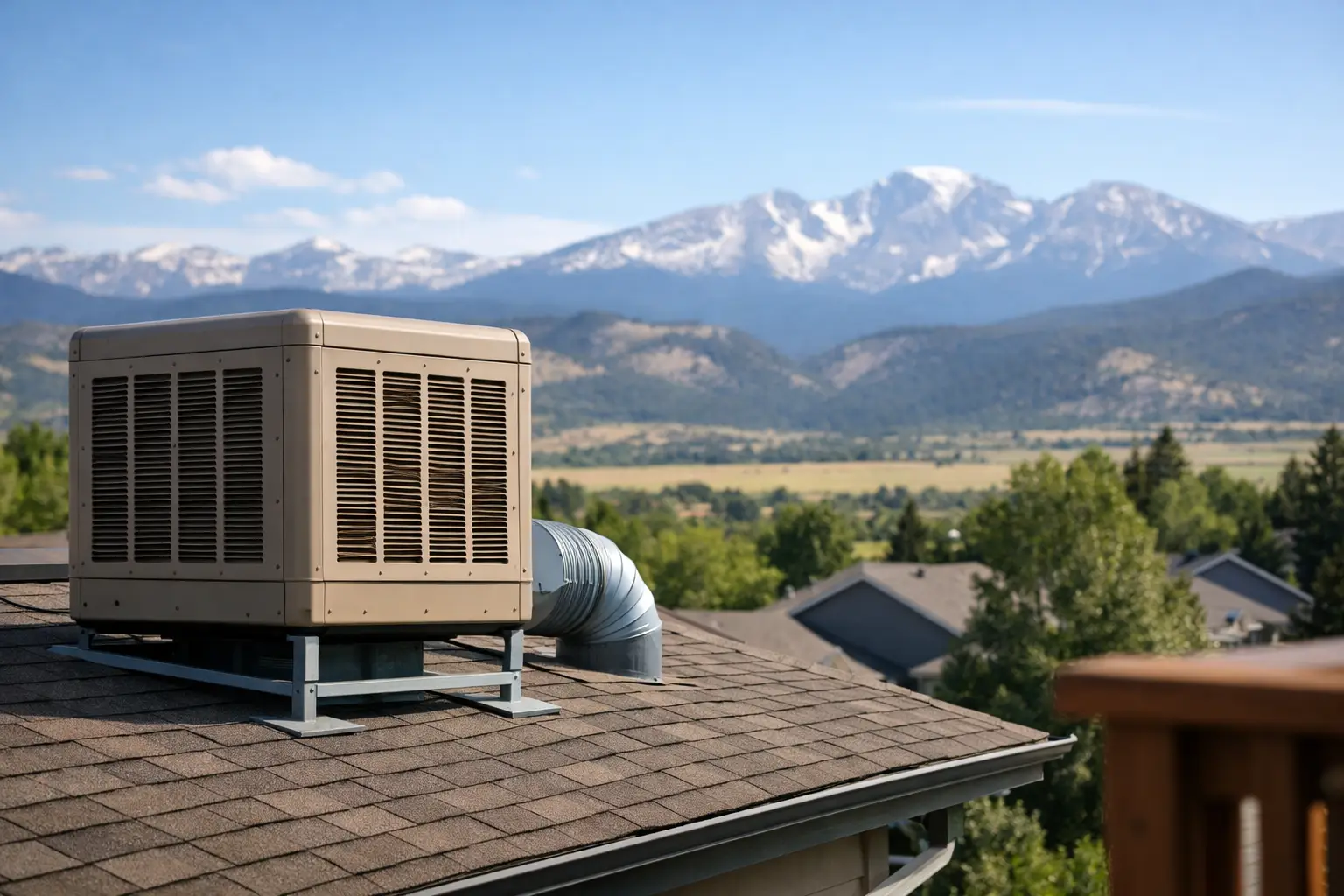
Whole-house systems are the closest thing to a central cooling solution. These units are usually roof-mounted or side-draft systems tied into ductwork. They cost more upfront but make more sense if you want broad coverage and dependable seasonal performance.
Features worth paying for
Not every added feature is worth the extra cost, but a few can make a real difference over the life of the unit.
A good motor and blower assembly matter more than cosmetic extras. Durable internal components usually pay off in quieter operation and fewer repairs. Higher-quality cooling pads are also worth attention, since pad design affects cooling efficiency, airflow, and maintenance frequency.
A bleed-off system or water management feature can help reduce mineral buildup, which matters in areas with hard water. If the unit does not manage scale well, maintenance gets heavier and components may wear out faster.
Two-speed or variable-speed controls are useful because cooling needs change throughout the day. Being able to run the system lower in the morning and stronger in the afternoon can improve comfort and reduce waste.
Some owners also prefer a thermostat or remote control for convenience. That is not essential, but it can make day-to-day operation easier, especially in larger homes or commercial buildings.
Water use, maintenance, and seasonal care
A swamp cooler is not a low-attention system. It can be cost-effective, but only if you are realistic about upkeep.
Pads need inspection and replacement. Water lines, pumps, and float valves need to be checked. The reservoir needs cleaning, especially if mineral deposits build up. At the end of the season, the system should be drained and winterized to help prevent damage.
This does not make swamp coolers a bad choice. It simply means the lower operating cost comes with regular maintenance responsibilities. If you want a cooling system you can mostly ignore year after year, evaporative cooling may not be your first choice.
Installation quality can make or break performance
A well-chosen unit can still disappoint if installation is rushed or poorly planned. That is especially true for whole-house systems.
The installer should evaluate roof or side-mount placement, duct sizing, electrical connections, water supply, drainage, and airflow balance. They should also make sure the home has the right exhaust path, since swamp coolers need open windows or dedicated relief vents to move air properly.
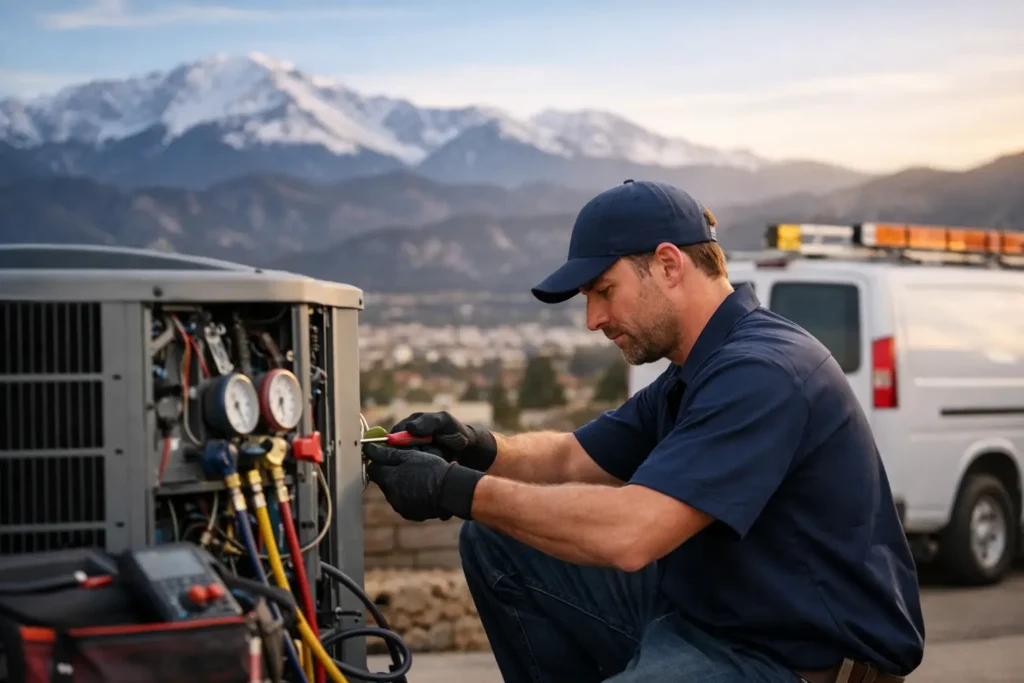
This is where local experience matters. A contractor familiar with regional weather patterns, common home styles, and seasonal service needs can usually spot fit issues before they become expensive problems. Strong Heating and Cooling sees this often with replacement projects where the old unit was installed oversized or the duct setup was never right to begin with.
Cost vs. value
Most buyers start with purchase price, but that only tells part of the story. You should weigh equipment cost, installation cost, expected maintenance, water use, and operating savings over time.
In many cases, a swamp cooler costs less to run than central air. That can be a real advantage for budget-conscious households or owners managing larger properties. But savings depend on using the right system in the right environment. If the building is a poor candidate and occupants end up adding portable AC units later, the value equation changes fast.
For some homes, the smart move is a swamp cooler. For others, a heat pump, ductless system, or central AC may be the better long-term fit. Comfort goals matter just as much as budget.
How to make the right call
The best swamp cooler buying guide does not end with a brand recommendation. It ends with an honest assessment of your building, your comfort expectations, and how much hands-on maintenance you are willing to handle.
If you want lower summer operating costs, fresh-air circulation, and solid performance in dry heat, a properly sized and properly installed swamp cooler can be a strong option. If you need tighter temperature control, low indoor humidity, or cooling for a sealed-off layout, you may be better served by a different system.
A good contractor should be willing to walk you through that difference clearly, without pushing a one-size-fits-all answer. The right cooling system is the one that works for your space, your budget, and the way you actually live or operate your property.