If your utility bills jump every time the temperature swings, it usually comes down to one question: how efficiently is your HVAC system moving heat? That is where heat pump energy efficiency stands out. A heat pump does not create heat the way a furnace does. It transfers heat, which can make it one of the most efficient ways to heat and cool a home or light commercial space.
That sounds simple, but real-world performance depends on more than the equipment brochure. Climate, insulation, ductwork, system sizing, thermostat settings, and maintenance all affect what you actually get month after month. For property owners in places with hot summers, cold snaps, and wide seasonal changes, understanding those details matters before you repair, replace, or upgrade a system.
What heat pump energy efficiency really means
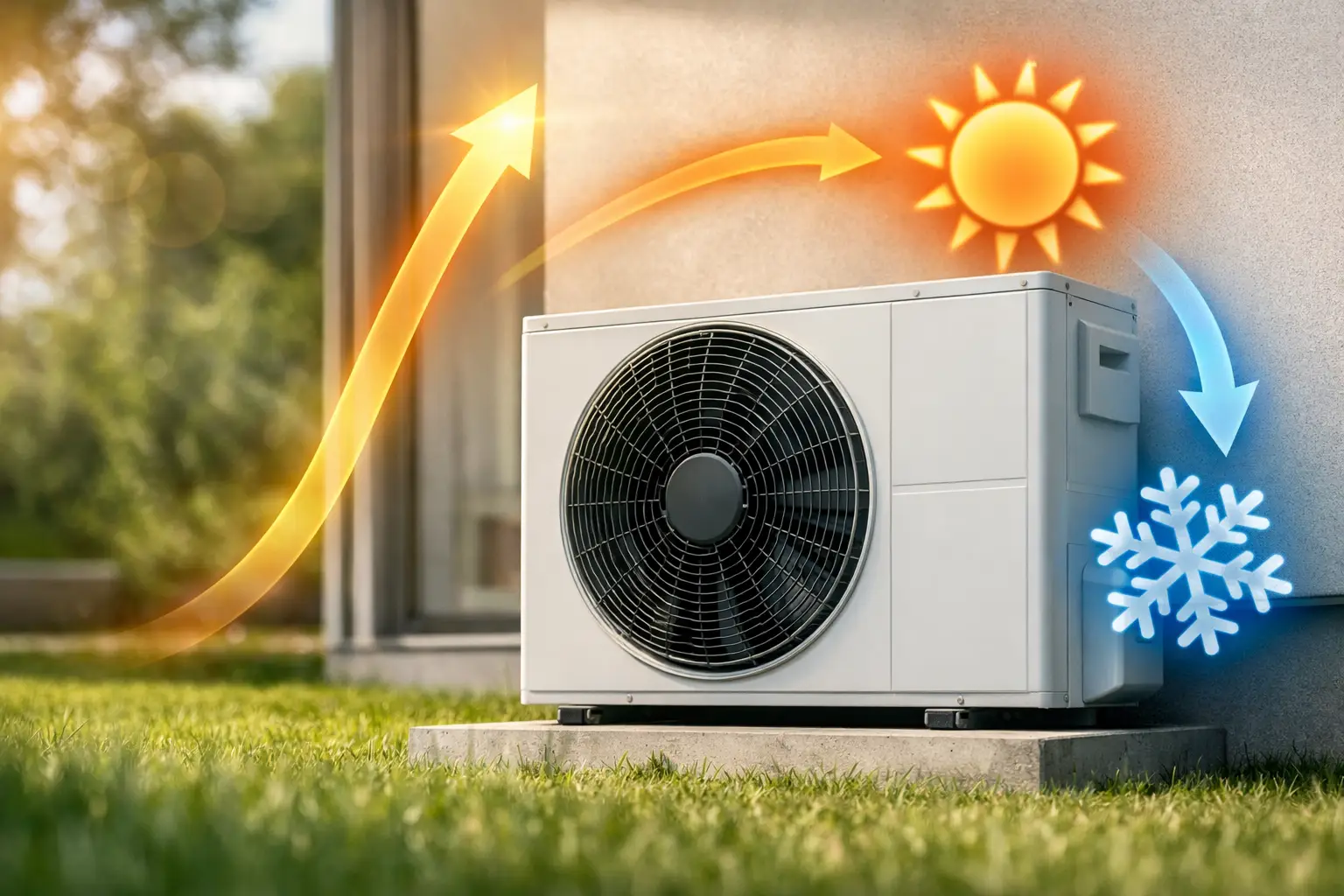
When people talk about efficiency, they often think in terms of fuel burned versus heat produced. Heat pumps work differently. Instead of generating heat directly, they move heat from one place to another. In cooling mode, they pull heat from indoors and move it outside. In heating mode, they pull available heat from outdoor air and bring it inside.
Because of that transfer process, a heat pump can deliver more heating or cooling energy than the electricity it consumes. That is the basic reason heat pump energy efficiency is often higher than traditional electric resistance heating. The system is using power to run compressors, fans, and controls, but it is not relying on electric heat strips as the primary source of warmth under normal conditions.
You will usually see efficiency measured with ratings like SEER2 for cooling and HSPF2 for heating. Higher numbers generally mean better efficiency, but only if the system is properly matched to the building and installed correctly. A high-efficiency model in a poorly sealed home can still leave you with uneven comfort and disappointing bills.
Why efficiency changes from one building to another
A heat pump is not a one-size-fits-all product. Two homes on the same street can get very different results from similar systems.
The first factor is the building itself. If a home has air leaks, weak insulation, drafty windows, or undersized return ducts, the system has to work harder to maintain temperature. That extra workload cuts into efficiency. In many cases, owners blame the equipment when the real issue is the structure around it.
Sizing is another major factor. An oversized heat pump may cycle on and off too often, which wastes energy and can leave humidity control weaker in summer. An undersized system may run constantly and still struggle during peak weather. Proper load calculations matter more than guesses based on square footage alone.
Installation quality also makes a difference. Refrigerant charge, airflow, duct sealing, electrical setup, and thermostat calibration all affect performance. Even strong equipment can underperform if those basics are off. That is why the install matters just as much as the brand name on the cabinet.
Heat pumps in colder weather
One of the most common questions is whether a heat pump stays efficient when temperatures drop. The short answer is yes, but with limits.
Modern cold-climate heat pumps perform much better than older models. Many can continue heating effectively in low outdoor temperatures, and that makes them a practical option for a wider range of homes and businesses than they were years ago. Still, efficiency usually declines as outdoor temperatures fall because there is less heat available in the air to transfer indoors.
In colder stretches, some systems rely on auxiliary heat to help maintain indoor comfort. That backup heat can be useful, but it is usually less efficient than the heat pump itself. This is where system selection becomes important. The right setup depends on the building, local winter conditions, comfort expectations, and whether the property already has compatible backup heating.
For Colorado Springs area properties, that balance matters. A heat pump can be a smart high-efficiency choice, but it should be evaluated with the local climate in mind rather than sold as a universal answer for every building.
What makes one heat pump more efficient than another
Not all heat pumps are built the same, even when they look similar from the outside.
Variable-speed compressors are one of the biggest efficiency upgrades available today. Instead of running at full output all the time, they can adjust capacity to match demand more closely. That often means steadier temperatures, quieter operation, and lower energy use. Single-stage systems can still be reliable and cost-effective, but they are usually less refined in how they manage changing conditions.
The indoor side matters too. A properly matched air handler or furnace pairing affects airflow, dehumidification, and overall system performance. Controls also play a role. Smart thermostats and communicating controls can improve efficiency, but only when they are set up correctly and used in ways that support the system instead of fighting it.
Ductless mini split heat pumps can offer another efficiency advantage in the right setting. Because they avoid duct losses, they can be especially effective for room additions, garages, smaller commercial spaces, and homes with hot and cold spots. They are not always the perfect answer for every layout, but in some properties they solve comfort and efficiency problems at the same time.
Simple ways to improve heat pump energy efficiency
If you already have a heat pump, there are practical ways to help it perform better without replacing the whole system.
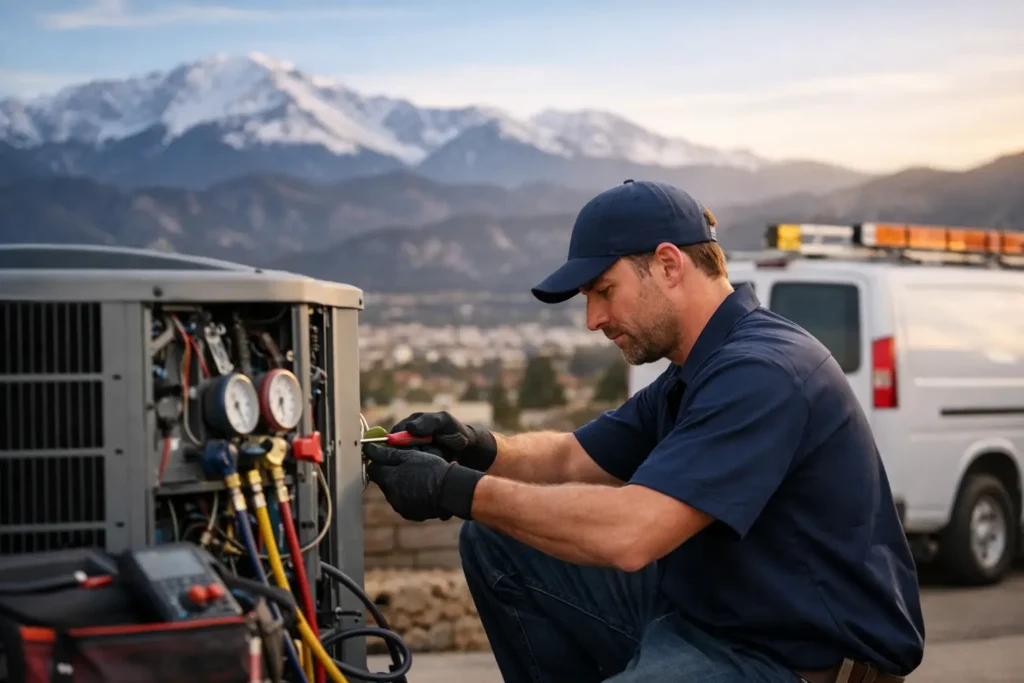
Start with maintenance. Dirty coils, clogged filters, blocked airflow, and worn components all make the system work harder. Seasonal tune-ups help catch those issues early and keep the equipment operating closer to its intended performance.
Thermostat habits matter more than many people realize. Large temperature setbacks can sometimes trigger more auxiliary heat use in winter, which hurts efficiency. A steady, sensible setting often works better than dramatic adjustments, especially with modern high-efficiency systems.
The condition of the duct system is another common issue. Leaky or poorly insulated ducts can waste a surprising amount of conditioned air before it reaches the occupied space. Sealing and improving ducts may deliver noticeable comfort gains along with lower operating costs.
It is also worth looking at the building envelope. Adding attic insulation, sealing air leaks, and improving weatherstripping can reduce the heating and cooling load. That helps any HVAC system, but it is especially useful when you want a heat pump to operate efficiently across all seasons.
When high efficiency is worth the higher upfront cost
A better efficiency rating usually means a higher purchase price. Whether that upgrade makes sense depends on how long you plan to keep the property, how often the system runs, and what your comfort priorities are.
In a home where the HVAC system runs heavily through both summer and winter, a high-efficiency heat pump may produce meaningful long-term savings. It may also improve indoor comfort with more even temperatures and better humidity control. For some owners, that comfort difference is just as valuable as the utility savings.
In other situations, the most expensive option is not automatically the smartest one. If the building has major insulation problems or the ductwork is in poor shape, putting all the budget into premium equipment may not deliver the best return. Sometimes a mid-efficiency system paired with envelope improvements and quality installation is the better investment.
Commercial clients face a similar calculation. Efficiency matters, but so do serviceability, occupant comfort, equipment life, and downtime risk. The right recommendation should reflect how the space is used, not just the highest-rated unit available.
Repair or replace?
If an existing heat pump is struggling, efficiency should be part of the repair-versus-replace conversation. Older systems can lose performance over time, especially if they have recurring refrigerant issues, compressor wear, airflow problems, or deferred maintenance. Rising utility bills are often one of the first warning signs.
That does not mean every older unit should be replaced immediately. If the repair is minor and the system still has solid service life left, repair may be the practical move. But if breakdowns are becoming frequent or the system depends too much on backup heat, replacement starts to make more sense.
A good contractor should look at the whole picture: equipment age, condition, repair history, operating cost, comfort problems, and the building itself. Straight answers matter here. Property owners do not need a sales pitch. They need to know what will restore dependable comfort at a fair cost.
The bottom line on efficiency and comfort
Heat pump energy efficiency is not just about buying a unit with a high rating. It is about how well the system fits the building, how well it is installed, and how well it is maintained over time. When those pieces line up, a heat pump can deliver lower energy use, steady comfort, and strong year-round performance.
If you are weighing options for a home or commercial property, the smartest next step is usually not guessing. It is getting the system, the ductwork, and the building conditions evaluated together so the recommendation matches how the space actually performs.