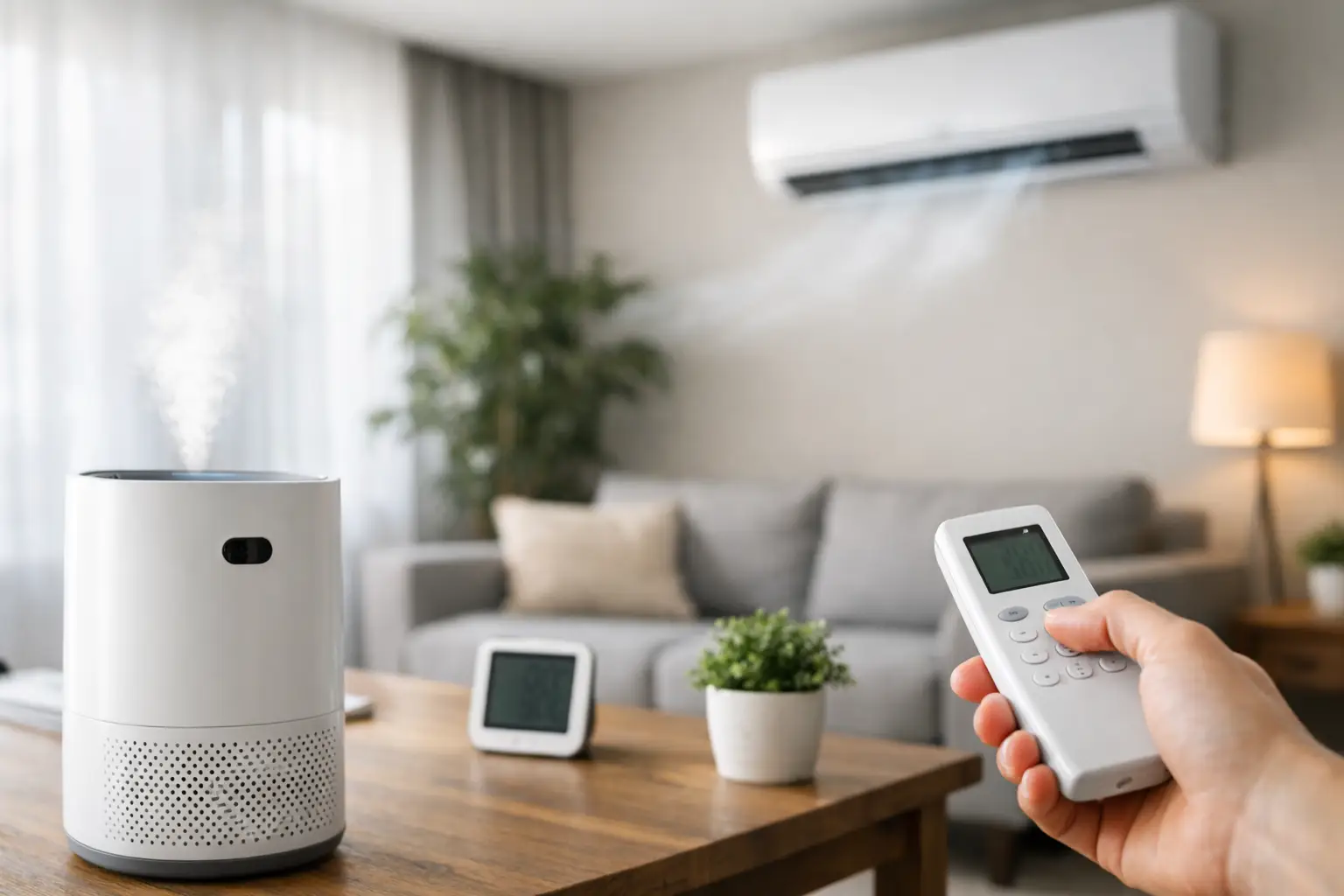
A room can be the right temperature and still feel off. Maybe the air is dry enough to irritate your throat, or one area feels stuffy while another never seems to warm up. Maybe dust builds up faster than it should, or the office smells stale by midafternoon. That is where indoor air comfort solutions make a real difference. Comfort is not just about heating and cooling. It is about how the air feels, moves, and stays clean throughout the day.
For homeowners and business owners, the challenge is that air quality and comfort problems rarely come from one single source. A hot and cold room issue might be caused by airflow problems, poor insulation, an aging system, or duct leakage. Dry indoor air in winter may point to Colorado’s climate, but it can also reveal that your HVAC system needs better humidity control. The best approach is practical: identify the symptoms, understand the likely causes, and choose solutions that fit the building and the budget.
What indoor air comfort solutions actually address
When people hear “air comfort,” they often think about temperature first. That matters, but true comfort has a few moving parts. Airflow affects whether rooms feel balanced. Humidity affects how warm or cool that air feels on your skin. Filtration affects how much dust, pollen, and other particles stay in circulation. Ventilation affects whether indoor air feels fresh or stale.
These systems work together. A high-performance furnace or air conditioner can still fall short if the ductwork is leaking or if the filter setup is too restrictive. A space with strong cooling may still feel uncomfortable if humidity is not controlled. In other words, the right equipment matters, but so does the way the whole system operates.
Common signs your building needs better air comfort support
Some issues are obvious, like rooms that never reach the thermostat setting. Others are easier to overlook because they build slowly over time. Frequent dust, uneven temperatures, static electricity, dry skin, lingering odors, and headaches in poorly ventilated spaces can all point to indoor air problems.
In homes, these issues often show up seasonally. Winter can bring dry air, especially in Colorado Springs and across El Paso County, where low humidity is common. Summer may reveal weak airflow, poor cooling distribution, or filtration issues during allergy season. In commercial buildings, comfort complaints usually show up as hot and cold zones, stuffy meeting rooms, or rising utility costs tied to inefficient performance.
The key is not to treat every symptom with the same fix. A portable unit might help in one room, but it will not solve a larger airflow problem. Replacing a thermostat may help with control, but not with air quality. Good indoor air comfort solutions start with accurate diagnosis.
Temperature balance starts with airflow
If one room is always too warm and another stays cold, airflow is usually part of the problem. Dirty filters, blocked vents, undersized ductwork, duct leaks, and blower issues can all reduce how evenly conditioned air moves through the building.
In some cases, the HVAC system itself is the wrong size. An oversized unit may heat or cool too quickly, then shut off before air has circulated properly. An undersized system may run constantly and still struggle to keep up. Both situations affect comfort and efficiency.
This is why airflow testing and system evaluation matter. Sometimes the solution is straightforward, like replacing a clogged filter or adjusting dampers. Other times it makes more sense to repair ductwork, improve zoning, or upgrade to equipment that better matches the space.
Why ductwork matters more than many people think
Ducts are easy to ignore because they are mostly out of sight. But they have a major effect on comfort. Leaks can send conditioned air into attics, crawl spaces, or wall cavities instead of into the rooms where it belongs. Poor duct design can create pressure imbalances that make some rooms feel stuffy and others drafty.
For both homes and commercial buildings, duct inspection can reveal issues that make a good HVAC unit perform like an average one. Addressing those hidden losses often improves comfort faster than people expect.
Humidity control changes how air feels
Humidity is one of the most overlooked parts of comfort. Air that is too dry can irritate skin, sinuses, and throats. It can also cause wood flooring or furniture to shrink and crack over time. Air that is too humid can feel sticky, heavier, and harder to cool.
In this region, dry winter air is a frequent complaint. Whole-home humidifiers are often a practical option because they add moisture in a controlled way without the inconvenience of managing small room units. For some properties, that is enough to make the indoor environment feel noticeably better.
Humidity control does involve trade-offs. Too much added moisture can create its own problems, especially if the home is tightly sealed or poorly ventilated. The goal is not maximum humidity. It is balanced humidity that supports comfort without creating condensation or air quality concerns.
Filtration and purification support cleaner indoor air
If dust seems constant or allergy symptoms flare indoors, filtration may need attention. Standard filters help protect HVAC equipment, but not all filters are designed to capture finer particles that affect indoor air quality. Higher-efficiency filtration can improve comfort, especially for households with pets, allergy concerns, or high dust levels.
That said, stronger filtration is not automatically better in every system. Some filters are so restrictive that they reduce airflow if the equipment is not designed for them. This is another area where professional guidance matters. The right filter should improve air cleaning without making the system work harder than it should.
Air purification systems can also help in specific cases, such as reducing certain airborne particles or improving air freshness in occupied spaces. For businesses, this can matter in waiting rooms, offices, retail environments, and shared work areas where comfort affects both employees and customers.
Ventilation solves the stale air problem
A building can be sealed well for energy efficiency and still need better fresh air exchange. Without proper ventilation, indoor air can feel stagnant. Odors may linger, and contaminants from cleaning products, cooking, or daily occupancy can build up.
Ventilation solutions vary by property type. In some homes, the answer may be better exhaust performance in bathrooms and kitchens or improvements to air exchange. In commercial settings, ventilation strategy is often tied more closely to occupancy, code requirements, and the demands of the space.
This is where one-size-fits-all advice falls short. More outside air is not always the complete answer if it creates temperature control issues or raises operating costs. The right solution balances comfort, indoor air quality, and system efficiency.
Smart controls can improve comfort, but they are not a cure-all
Thermostats and control systems can help manage temperature more precisely, especially in buildings with varying schedules. Programmable and smart thermostats can reduce waste and make indoor conditions more consistent when used correctly.
Still, controls can only manage the system they are connected to. If the equipment, ductwork, or airflow is the real problem, a new thermostat will not fix uneven comfort by itself. Controls are useful, but they work best as part of a larger strategy.
Choosing the right indoor air comfort solutions for your space
The best fix depends on how the space is used, what equipment is already in place, and what symptoms show up most often. A family dealing with dry winter air and dust may need a different approach than a small business struggling with inconsistent temperatures across multiple offices.
For residential properties, common priorities include reliable temperature control, cleaner indoor air, lower energy waste, and quieter system performance. For commercial properties, uptime, occupant comfort, and predictable operating costs usually lead the list. Both benefit from clear recommendations instead of guesswork.
A dependable HVAC contractor should be able to explain not only what needs to be done, but why. That includes discussing options, expected results, and any trade-offs. Some improvements are low-cost maintenance items. Others are larger upgrades that make more sense when equipment is aging or when comfort complaints are ongoing.
Strong Heating and Cooling works with property owners who want practical answers, not vague promises. That means looking at the whole system and recommending solutions that match the building, the season, and the comfort goals.
Maintenance is one of the simplest comfort upgrades
Many indoor air issues get worse because routine maintenance is delayed. Dirty coils, worn components, clogged filters, and neglected duct issues can all reduce system performance. Even a good system will struggle if it is not maintained.
Regular service helps catch the smaller issues before they turn into larger repairs or long-term comfort problems. It also gives technicians a chance to spot airflow restrictions, humidity concerns, or filtration problems that may not be obvious day to day.
If your building feels dusty, dry, stuffy, or uneven from room to room, there is usually a reason. The right solution is not always the biggest upgrade. Often, it is the one that addresses the real source of the problem and keeps your space comfortable in a way you can feel every day.