Cold rooms, uneven heat, and a boiler that keeps making new noises usually do not fix themselves. If you need boiler service Colorado Springs homeowners and property managers can rely on, the real goal is simple – restore safe, steady heat without wasting time or money on guesswork.
A boiler is one of the most dependable ways to heat a home or building, but it still needs regular attention. When service is delayed, small problems can turn into higher energy bills, circulation issues, leaking components, or a full breakdown during the coldest stretch of the season. That is why prompt, skilled service matters.
What boiler service in Colorado Springs should actually include
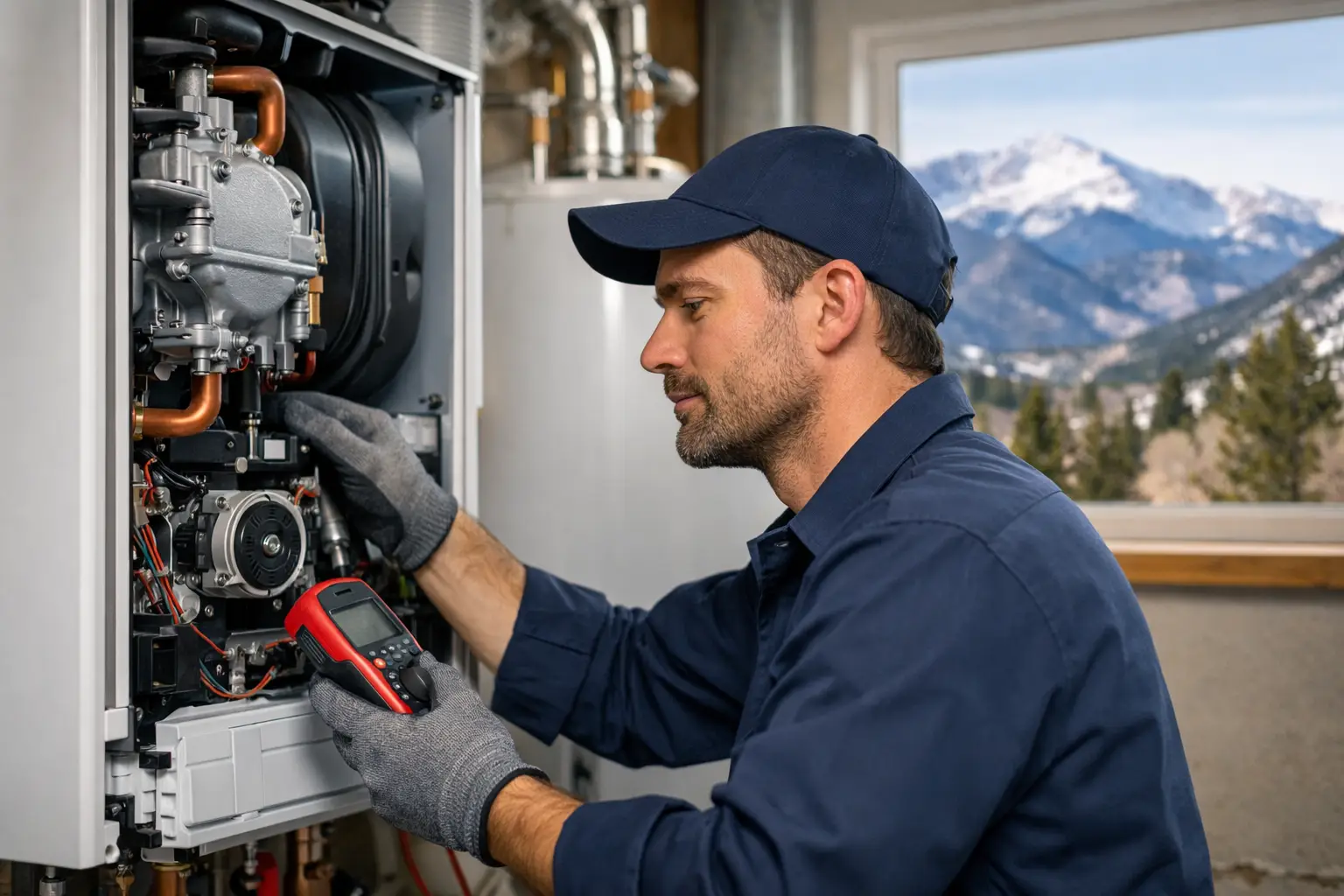
Good boiler service is more than a quick glance and a restart. A trained technician should inspect the system, test operation, check for wear, and look at the parts that affect safety, efficiency, and heat delivery. That usually includes the burner, heat exchanger, controls, pressure levels, circulator components, expansion tank, valves, and thermostat communication.
For hydronic systems, water movement is just as important as heat production. If a circulator pump is underperforming or air is trapped in the lines, you may notice baseboards that stay cool, rooms that lag behind, or a boiler that seems to run longer than it should. Those issues can look minor at first, but they often point to a system that is no longer operating at its best.
Routine service also gives you a clearer picture of system condition. Some boilers only need adjustment and cleaning. Others are reaching the point where recurring repairs stop making financial sense. An honest assessment helps you decide whether to repair now, schedule maintenance, or start planning for replacement before you are forced into an emergency decision.
Signs you need boiler service Colorado Springs residents should not ignore
Some boiler problems announce themselves clearly. Others build slowly and are easy to dismiss until comfort drops or the unit shuts down. If your heat feels inconsistent, your boiler cycles too often, or you notice unusual sounds like banging, whistling, or gurgling, service is worth scheduling sooner rather than later.
Water around the unit is another sign to take seriously. A leak may come from a fitting, valve, pump seal, or pressure-related issue. Even a small amount of water can lead to component damage over time. Low pressure, strange odors, or a pilot or ignition problem also deserve fast attention.
Older commercial and residential systems can be especially tricky because symptoms do not always point to a single failed part. A boiler may still run while losing efficiency, struggling to distribute heat, or placing extra stress on aging components. In those cases, professional diagnosis matters more than swapping parts and hoping for the best.
Why regular maintenance pays off
Boilers are built for longevity, but they perform better and last longer when maintenance stays on schedule. Annual service helps catch sediment buildup, control issues, venting concerns, and worn parts before they create a no-heat call.
There is also an efficiency benefit. When a boiler is clean, properly adjusted, and circulating well, it uses fuel more effectively. That can help reduce monthly operating costs, especially during periods of heavy winter demand. It also improves comfort because the system does not have to work as hard to maintain temperature.
For commercial properties, preventive boiler service can protect more than comfort. It can help avoid tenant complaints, workflow disruption, and after-hours emergencies. For homeowners, it often means fewer surprise repairs and more confidence when temperatures drop fast.
Repair or replace? It depends on the boiler and the problem
One of the most common questions is whether a boiler should be repaired or replaced. The answer depends on age, condition, repair history, efficiency, and the cost of the current issue. There is no one-size-fits-all rule.
If the boiler is relatively modern and the problem is isolated, repair is often the practical choice. Replacing a failed circulator, control, valve, or ignition component can restore reliable operation without a major project. If the system has been maintained well and the heat exchanger is in good shape, repair usually makes sense.
If the boiler is older, breaking down more often, or driving up utility costs, replacement may be the better long-term investment. That is especially true when major components are failing, parts are difficult to source, or the system no longer matches the heating needs of the building. A newer high-efficiency model can improve comfort and lower operating costs, but the upfront investment is higher. The right decision comes down to what gives you dependable performance without overspending.
Residential and commercial boilers need different service approaches
Not every boiler system is built the same, and service should reflect that. Residential boilers are often tied to baseboard heat, radiators, or in-floor heating, with comfort and household reliability as the main priorities. Commercial systems may serve larger floorplans, multiple zones, tenant spaces, or process-related demands where downtime affects business operations.
That difference matters because diagnosis, repair planning, and maintenance scheduling often look different on the commercial side. A property manager may need to think about access, timing, budget cycles, and minimizing disruption during occupied hours. A homeowner may be more focused on restoring heat quickly and understanding whether a repair is worth it.
An HVAC contractor with both residential and commercial experience can usually spot these differences faster and recommend service that fits the property instead of forcing a generic solution.
What to expect from a dependable service call
A good boiler service visit should feel clear from the start. You should know what problem is being addressed, what the technician finds, and what your options are before work moves forward. That is where transparent pricing and straightforward communication make a real difference.
In many cases, the first priority is getting heat back on safely. After that, the technician should explain whether the fix solves the root problem or only the immediate symptom. For example, restoring pressure may get the system running, but if a leaking valve or expansion issue caused the pressure loss, that still needs to be addressed.
This is also where local experience helps. Colorado weather can put heating systems under sharp demand swings, and service recommendations should reflect real operating conditions, not just textbook theory. A dependable contractor understands the urgency of winter repairs and the value of planning maintenance before the next cold front moves in.
Choosing a boiler service company with confidence
When comparing providers, technical ability matters, but so does consistency. You want licensed professionals who work on boilers regularly, communicate clearly, and respect your time. Fast response is important, especially for no-heat calls, but speed should not come at the expense of proper diagnosis.
It also helps to work with a company that can support the full picture. If your property has other HVAC needs, water heater concerns, or commercial equipment tied into the same building operations, broader service capability can save time and simplify future work. That is part of why many local customers choose a contractor like Strong Heating and Cooling at https://Strongheatingcooling.com when they want practical solutions, honest pricing, and year-round support.
Financing and quote-based planning can matter too, especially if a repair leads to replacement discussions. A trustworthy company will explain the trade-offs clearly, not pressure you into the most expensive option.
When to schedule service instead of waiting
If your boiler is overdue for maintenance, showing signs of poor performance, or failing to heat the property evenly, now is the right time to schedule service. Waiting can turn a manageable repair into a larger problem, especially when demand for heating appointments rises during colder weather.
The best time for maintenance is before peak winter use, but a mid-season check still has value if the system is acting up. And if the boiler has stopped working altogether, emergency service can be the difference between a brief interruption and a much bigger comfort problem.
Reliable heat is not something most people think about until it is gone. A well-serviced boiler keeps your home comfortable, protects business operations, and gives you one less thing to worry about when the temperature drops. If your system is due for attention, getting it checked now is usually the smartest move.