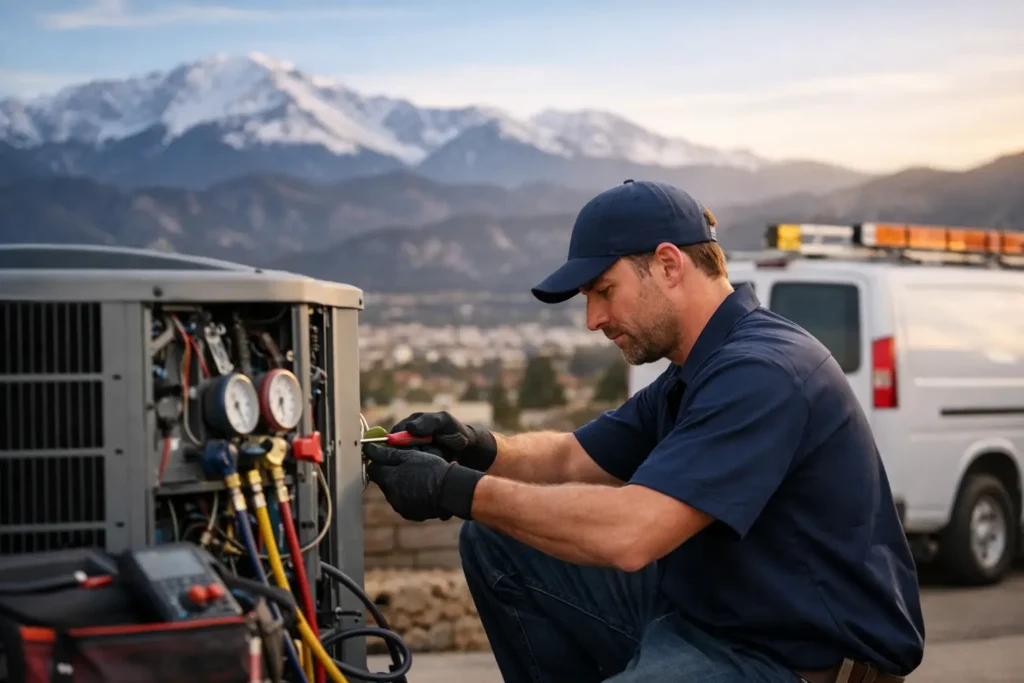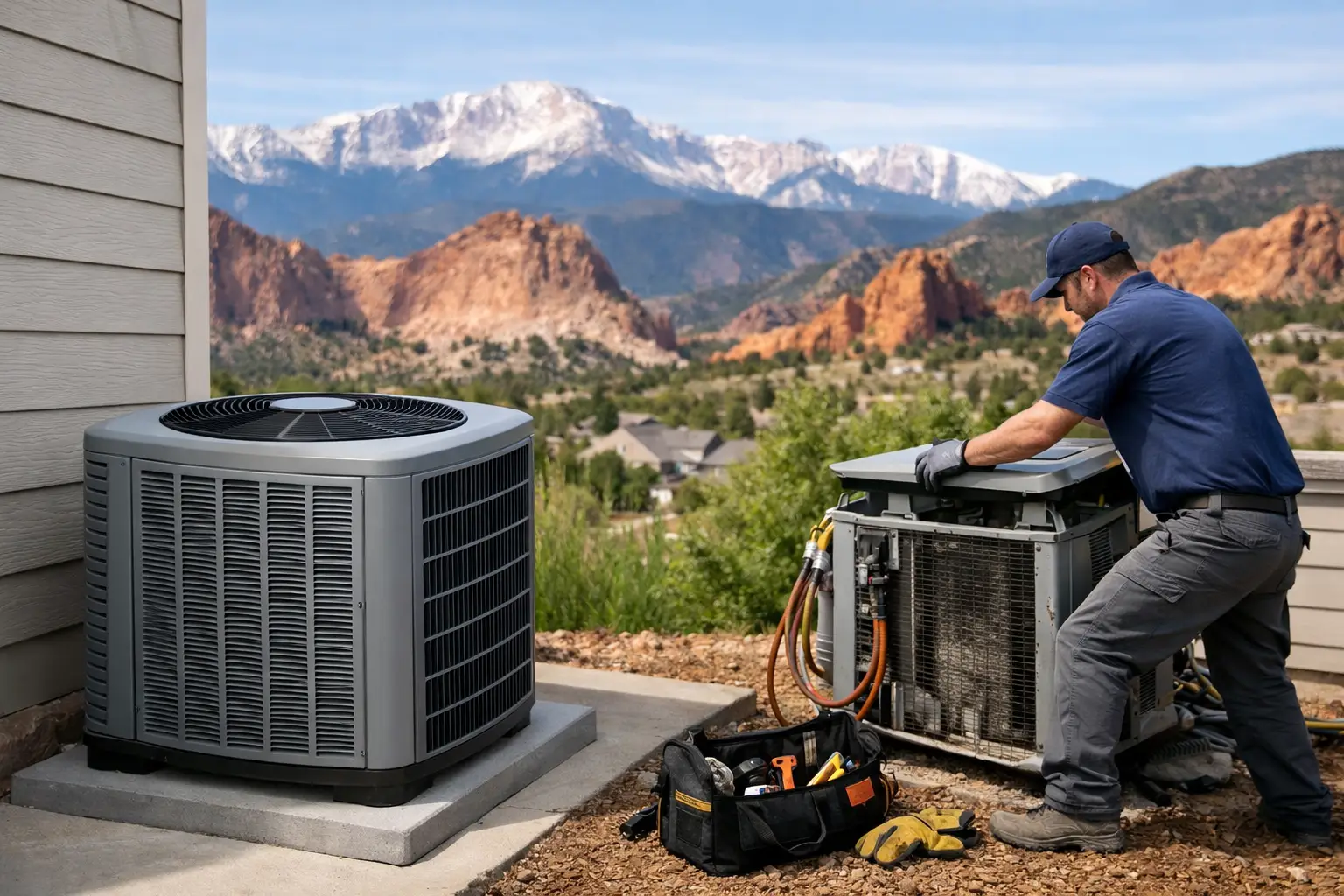
A heat pump that runs nonstop, struggles on cold mornings, or sends your utility bills climbing is usually telling you something. If you are weighing heat pump replacement Colorado Springs homeowners often face the same question: repair it one more time, or replace it before the next weather swing puts comfort at risk.
In this area, that decision matters more than it might in a milder climate. Your system has to handle winter cold, dry air, and hot summer afternoons without wasting energy or leaving parts of the home uncomfortable. A well-timed replacement can improve reliability, lower operating costs, and give you more consistent heating and cooling throughout the year.
When heat pump replacement in Colorado Springs makes sense
Not every underperforming system needs to be replaced right away. Sometimes a failed capacitor, a refrigerant issue, or a thermostat problem can be repaired without major expense. But there is a point where putting more money into an aging unit stops being the practical choice.
If your heat pump is around 10 to 15 years old and repair calls are becoming more frequent, replacement is usually worth serious consideration. Older equipment tends to lose efficiency gradually, so the problem is not always one dramatic breakdown. More often, it is a pattern – longer run times, weaker airflow, rooms that never quite get comfortable, and bills that keep rising for no clear reason.
You may also be dealing with a system that was undersized, oversized, or poorly installed from the start. In that case, even repeated repairs may not fix the real issue. Replacing the unit with properly matched equipment and correct installation can solve comfort problems that have been frustrating you for years.
Common signs your current heat pump is near the end
A failing heat pump does not always quit all at once. Watch for warning signs such as uneven temperatures, short cycling, ice buildup, unusual noises, frequent defrost issues, or reduced heating output when outdoor temperatures drop. If your technician is sourcing hard-to-find parts or recommending expensive component replacements on an older system, that is another strong signal.
There is also the budget side of the decision. If a repair is large enough that you hesitate, and the system has already given you a full service life, replacement often provides better long-term value than continuing to patch it together.
What to expect from a new heat pump
Modern heat pumps are a different experience than many homeowners remember from older models. New systems are more efficient, quieter, and better at maintaining steady indoor temperatures. Variable-speed and inverter-driven equipment can adjust output gradually instead of cycling at full blast, which helps with comfort and energy use.
That matters in homes where certain rooms are always too warm or too cool. It also matters for business owners and property managers trying to reduce operating costs without sacrificing comfort for tenants, staff, or customers.
A replacement can also be the right time to address related issues. Duct leakage, poor return airflow, outdated thermostats, or mismatched indoor and outdoor components can all reduce performance. The best results come from looking at the full system rather than swapping one box for another.
Choosing the right heat pump replacement in Colorado Springs
The right replacement is not just about brand name or top-end efficiency ratings. It has to fit the building, the layout, the insulation level, and the way the space is actually used.
A larger unit is not automatically better. Oversized equipment can short cycle, which means it turns on and off too often. That can create temperature swings, add wear to the system, and reduce efficiency. An undersized system has the opposite problem – it works too hard and may still struggle to keep up during more extreme weather.
A proper load calculation is one of the most important steps in the replacement process. It helps determine the correct system size based on square footage, windows, insulation, ductwork, and other real conditions inside the property. This is where local experience matters. Equipment that works well in one home may not be the right fit for another, even if the homes appear similar on paper.
Efficiency, cold-weather performance, and backup heat
Higher efficiency can reduce monthly operating costs, but the best choice depends on your goals and budget. Some homeowners want the lowest possible utility usage. Others care more about dependable performance and manageable upfront cost. Both are valid.
Cold-weather performance is especially important here. Not all heat pumps perform the same way in lower temperatures, and some systems are better suited for winter conditions than others. In some homes, backup heat is part of the design and should be reviewed during replacement. The goal is not to oversell features. It is to recommend a setup that will keep the property comfortable without surprises.
What affects replacement cost
The price of replacing a heat pump can vary quite a bit, and there is a good reason for that. Cost depends on the size of the system, equipment efficiency, whether the indoor coil or air handler also needs replacement, and how much work is required to make the new system perform correctly.
Ductwork condition can affect the scope. Electrical upgrades may be needed in some cases. If the system serves a commercial space or a larger home with zoning needs, that can also change the final price. The most useful quote is not always the lowest number. It is the one that clearly explains what is included, what is being fixed, and what result you should expect when the job is done.
Transparent pricing matters because replacement is a major decision. Homeowners and property managers should be able to understand the options, compare efficiency levels, and choose a path that fits their budget without guessing what is hidden in the fine print.
Why installation quality matters as much as the equipment
A good heat pump can still perform poorly if it is installed incorrectly. Refrigerant charge, airflow, controls, electrical connections, and duct transitions all affect how the system operates day to day. Even small shortcuts during installation can lead to higher bills, comfort issues, or early equipment wear.
That is why replacement should be treated as more than just a product purchase. It is a system upgrade, and craftsmanship matters. Skilled technicians should verify sizing, inspect related components, and make sure the new equipment is matched and commissioned properly.
For homes and businesses in El Paso County, that local, service-first approach makes a difference. You want a contractor who can explain the trade-offs clearly, respond when needed, and stand behind the work after installation. If you are comparing providers, ask how they size equipment, what they inspect before replacement, and what support is available if something needs attention after the job is complete.
Repair or replace? The practical way to decide
If your heat pump is newer and the issue is isolated, repair may still be the smarter move. If the system is older, inefficient, and increasingly unreliable, replacement usually gives you more control over future costs and fewer interruptions to your comfort.
One practical way to think about it is this: if you are paying for repairs but still not getting reliable performance, the money is not solving the actual problem. A replacement can feel like a bigger step upfront, but it often removes the uncertainty that comes with trying to keep an aging system alive through another season.
For many property owners, timing matters too. Replacing before a full breakdown gives you more time to review options, ask questions, and plan around your schedule. Waiting until the system fails during a cold snap or a summer heat stretch usually means more stress and faster decisions.
Working with a local HVAC team
When you need straight answers about replacement, the process should feel clear from the first visit. A dependable local contractor will evaluate the current system, explain whether repair is still reasonable, and walk you through replacement options that make sense for the property.
That includes discussing efficiency, expected performance, installation scope, and financing if needed. It also means respecting your time and budget. Strong Heating and Cooling takes that practical approach because comfort problems are stressful enough without vague pricing or hard-sell recommendations. If you want to review your options, you can start at https://Strongheatingcooling.com.
Replacing a heat pump is not just about getting new equipment. It is about getting back to a home or commercial space that heats and cools the way it should, with fewer surprises and more confidence every season.